Kohler 22kW Generator configuration planning for semiconductor water treatment annex for an extended utility restoration contingency, with emphasis on contamination risk increases when treatment stages and ventilation restart in the wrong order. The project must also account for the fact that restoration time may be uncertain while fuel, staffing and consumables continue to change
Send Inquiry
Description
Technical Parameters
Product Overview
A project team considering Kohler 22kW Generator for semiconductor water treatment annex for an extended utility restoration contingency needs more than a connected-load total. Sequencing ultrapure-water pumps, chemical dosing, exhaust, monitoring and control cabinets, together with fuel planning, mobile communications, shift lighting and temporary maintenance support and documenting contamination risk increases when treatment stages and ventilation restart in the wrong order. The project must also account for the fact that restoration time may be uncertain while fuel, staffing and consumables continue to change reveal the transient and control requirements hidden by a simple sum.
Kaichen Power then builds a project baseline with the facilities engineer, water-process owner and environmental safety representative and the continuity response manager, covering current paths, starting logic, prove ventilation, leak detection and water-quality monitoring before process flow resumes. The work plan must also review fuel endurance, operator coverage and load-shedding triggers at defined intervals and service clearances in a controlled industrial area with chemicals, high cleanliness requirements and restricted entry, combined with a prolonged outage with logistics constraints, repeated inspections and changing load priorities. Options remain selectable until the approved sheet is signed.
Reference Configuration
This configuration table records the inquiry basis for semiconductor water treatment annex for an extended utility restoration contingency. Final ratings and options depend on the approved engine, alternator, controls, enclosure and site conditions.
Parameter
Configuration Basis
Title basis
Kohler 22kW Generator retained as the supplied keyword for the semiconductor water treatment annex for an extended utility restoration contingency inquiry; usable rating follows approved component data
Duty narrative
controlled support of essential services until stable utility supply returns at the semiconductor water treatment annex for semiconductor water treatment annex for an extended utility restoration contingency
Measured inputs
Operating records for ultrapure-water pumps, chemical dosing, exhaust, monitoring and control cabinets, together with fuel planning, mobile communications, shift lighting and temporary maintenance support reviewed by the project team
Switching challenge
Engineering attention directed to contamination risk increases when treatment stages and ventilation restart in the wrong order. The project must also account for the fact that restoration time may be uncertain while fuel, staffing and consumables continue to change
Protection boundary
Voltage, frequency, phase, neutral, breaker and connection method agreed with the facilities engineer, water-process owner and environmental safety representative and the continuity response manager
Control workflow
prove ventilation, leak detection and water-quality monitoring before process flow resumes. The work plan must also review fuel endurance, operator coverage and load-shedding triggers at defined intervals coordinated with the operating procedure
Access and weather
Enclosure, cooling, service access and protection assessed for a controlled industrial area with chemicals, high cleanliness requirements and restricted entry, combined with a prolonged outage with logistics constraints, repeated inspections and changing load priorities
Datasheet status
Current, dimensions, performance and test records issued for the released controlled support of essential services until stable utility supply returns at the semiconductor water treatment annex configuration
Protect the Operating Sequence at Semiconductor Water Treatment Annex For An Extended Utility Restoration Contingency
1
Separate must-run functions within ultrapure-water pumps, chemical dosing, exhaust, monitoring and control cabinets, together with fuel planning, mobile communications, shift lighting and temporary maintenance support from loads that can be delayed.
2
Obtain equipment data relevant to contamination risk increases when treatment stages and ventilation restart in the wrong order. The project must also account for the fact that restoration time may be uncertain while fuel, staffing and consumables continue to change.
3
Define alarms, permissions and handover for prove ventilation, leak detection and water-quality monitoring before process flow resumes. The work plan must also review fuel endurance, operator coverage and load-shedding triggers at defined intervals.
4
Document how a controlled industrial area with chemicals, high cleanliness requirements and restricted entry, combined with a prolonged outage with logistics constraints, repeated inspections and changing load priorities affects enclosure and maintenance choices.
Where This Kohler 22kW Generator Inquiry Fits
Semiconductor Water Treatment Annex For An Extended Utility Restoration Contingency installations with traceable load records.
Projects separating steady demand from contamination risk increases when treatment stages and ventilation restart in the wrong order. The project must also account for the fact that restoration time may be uncertain while fuel, staffing and consumables continue to change.
Facilities that need a documented prove ventilation, leak detection and water-quality monitoring before process flow resumes. The work plan must also review fuel endurance, operator coverage and load-shedding triggers at defined intervals handover.
Technical buyers coordinating with the facilities engineer, water-process owner and environmental safety representative and the continuity response manager.
Prepare the Semiconductor Water Treatment Annex For An Extended Utility Restoration Contingency Data
Send the operating timetable for ultrapure-water pumps, chemical dosing, exhaust, monitoring and control cabinets, together with fuel planning, mobile communications, shift lighting and temporary maintenance support.
Provide the equipment records needed to assess contamination risk increases when treatment stages and ventilation restart in the wrong order. The project must also account for the fact that restoration time may be uncertain while fuel, staffing and consumables continue to change.
State the required behaviour of prove ventilation, leak detection and water-quality monitoring before process flow resumes. The work plan must also review fuel endurance, operator coverage and load-shedding triggers at defined intervals.
Describe access, ventilation and exposure at a controlled industrial area with chemicals, high cleanliness requirements and restricted entry, combined with a prolonged outage with logistics constraints, repeated inspections and changing load priorities.
Confirm the review contacts from the facilities engineer, water-process owner and environmental safety representative and the continuity response manager.
Project Release Record 4041
Responsibility record 4041. the facilities engineer, water-process owner and environmental safety representative and the continuity response manager should approve start authority, reset permissions, alarm destinations, local fallback and emergency shutdown response.
Offer record 4041. List included equipment, selected accessories, site work, commissioning support and documentation. Leave unverified output, consumption, sound, emissions and dimensional values subject to the approved datasheet.
Inspection record 4041. Before shipment, compare component identity, assembly, wiring, controls, indications and shutdown functions with the released build record and close every deviation.
Witness record 4041. Demonstrate start request, voltage establishment, staged load connection, alarm handling, controlled stop and return to normal. The test should show controlled support of essential services until stable utility supply returns at the semiconductor water treatment annex.
Handover record 4041. Deliver accepted drawings, settings, cable information, operating instructions, maintenance tasks, spares data and training evidence with named owners for any open item.
Release file 4041. Keep the supplied keyword as the catalogue title, but define the delivered equipment from the signed technical schedule for semiconductor water treatment annex for an extended utility restoration contingency.
Load record 4041. Measure or document ultrapure-water pumps, chemical dosing, exhaust, monitoring and control cabinets, together with fuel planning, mobile communications, shift lighting and temporary maintenance support. Separate continuous demand, starting events, recovery blocks and circuits that the operator may defer.
Event record 4041. Engineering review is required because contamination risk increases when treatment stages and ventilation restart in the wrong order. The project must also account for the fact that restoration time may be uncertain while fuel, staffing and consumables continue to change. State the acceptance limit and the evidence used to verify it.
Interface record 4041. Put the agreed voltage, frequency, phases, neutral method, breaker duty, cable termination, earthing and transfer ownership on the controlled drawing. The operating team must also prove ventilation, leak detection and water-quality monitoring before process flow resumes. The work plan must also review fuel endurance, operator coverage and load-shedding triggers at defined intervals.
Site record 4041. Select ventilation, exhaust routing, fuel handling, drainage, lifting and enclosure protection for a controlled industrial area with chemicals, high cleanliness requirements and restricted entry, combined with a prolonged outage with logistics constraints, repeated inspections and changing load priorities. Preserve safe access after surrounding services are complete.
Product and Component Images
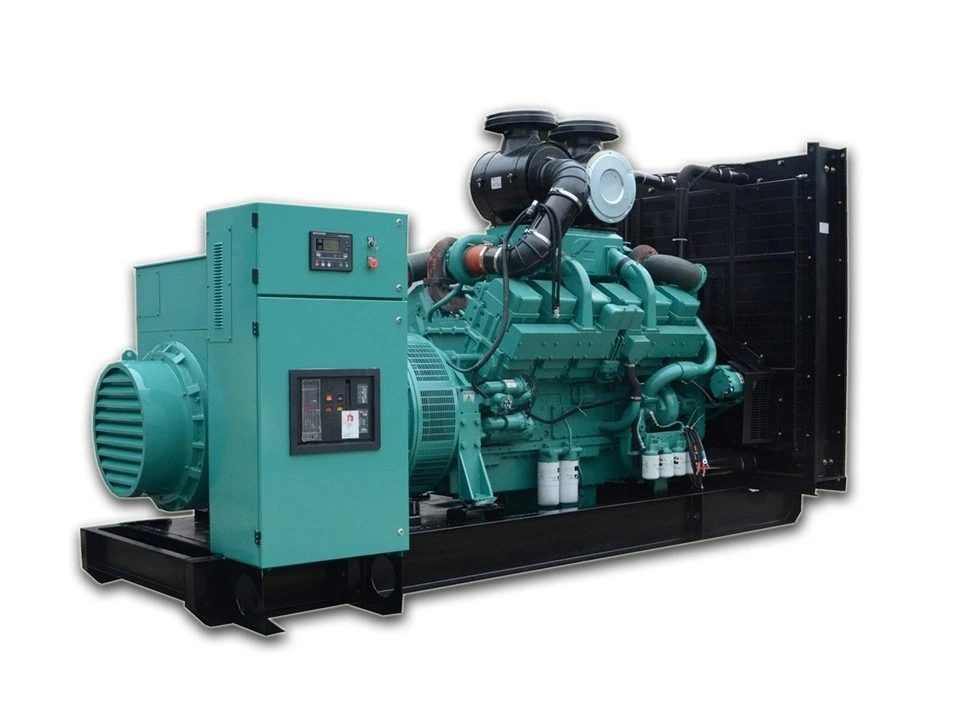
Alternative generator arrangement considered for semiconductor water treatment annex for an extended utility restoration contingency
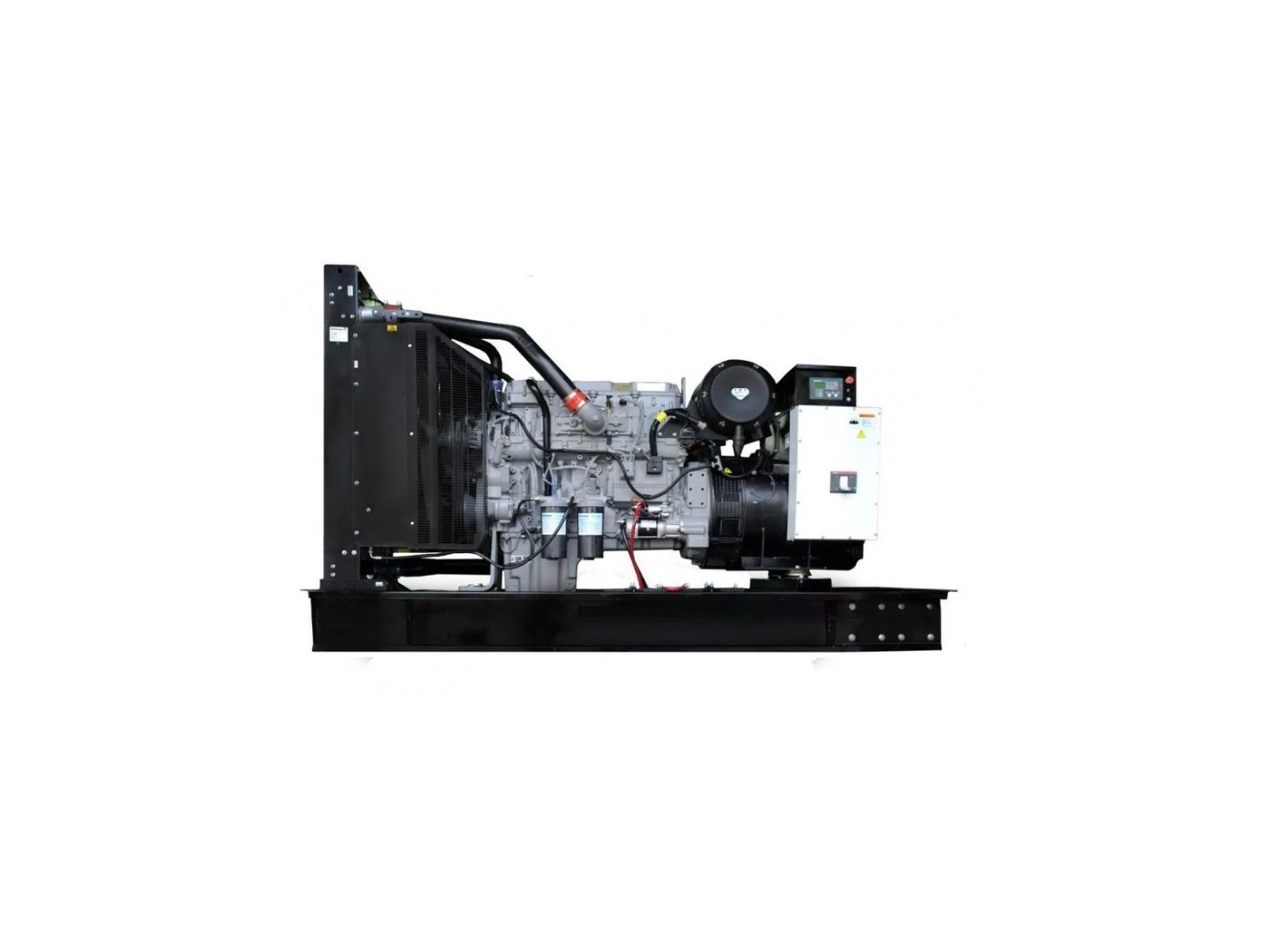
Service-access perspective used while reviewing ultrapure-water pumps, chemical dosing, exhaust, monitoring and control cabinets, together with fuel planning, mobile communications, shift lighting and temporary maintenance support
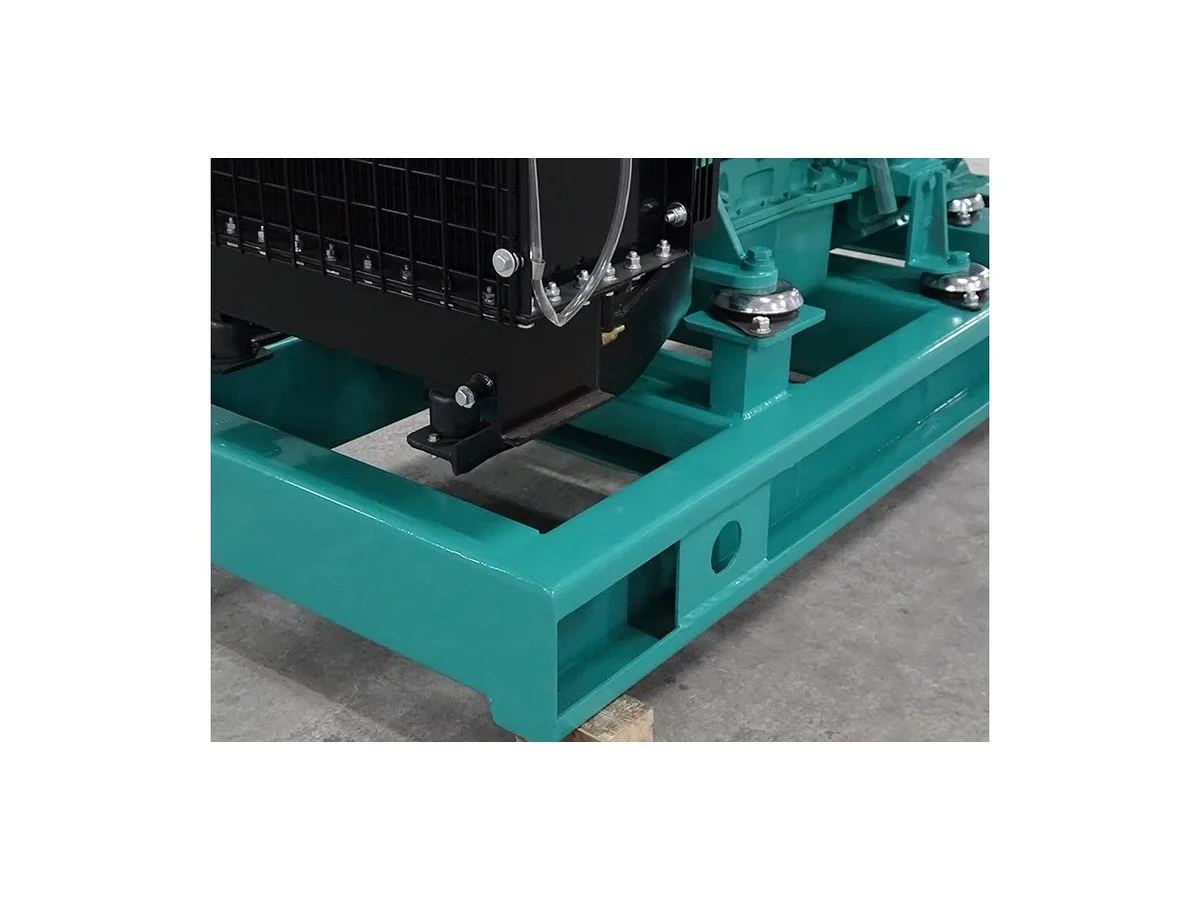
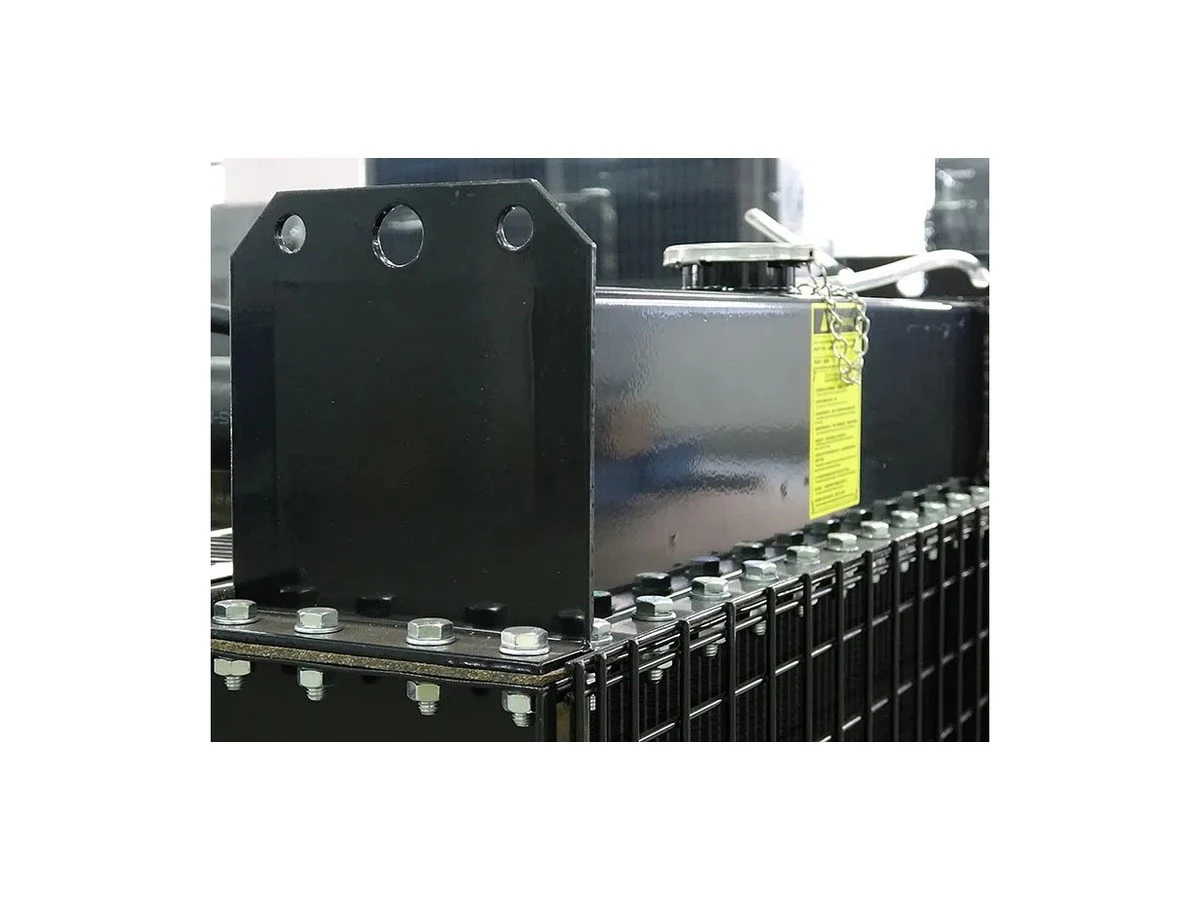
Mounting detail relevant to a controlled industrial area with chemicals, high cleanliness requirements and restricted entry, combined with a prolonged outage with logistics constraints, repeated inspections and changing load priorities
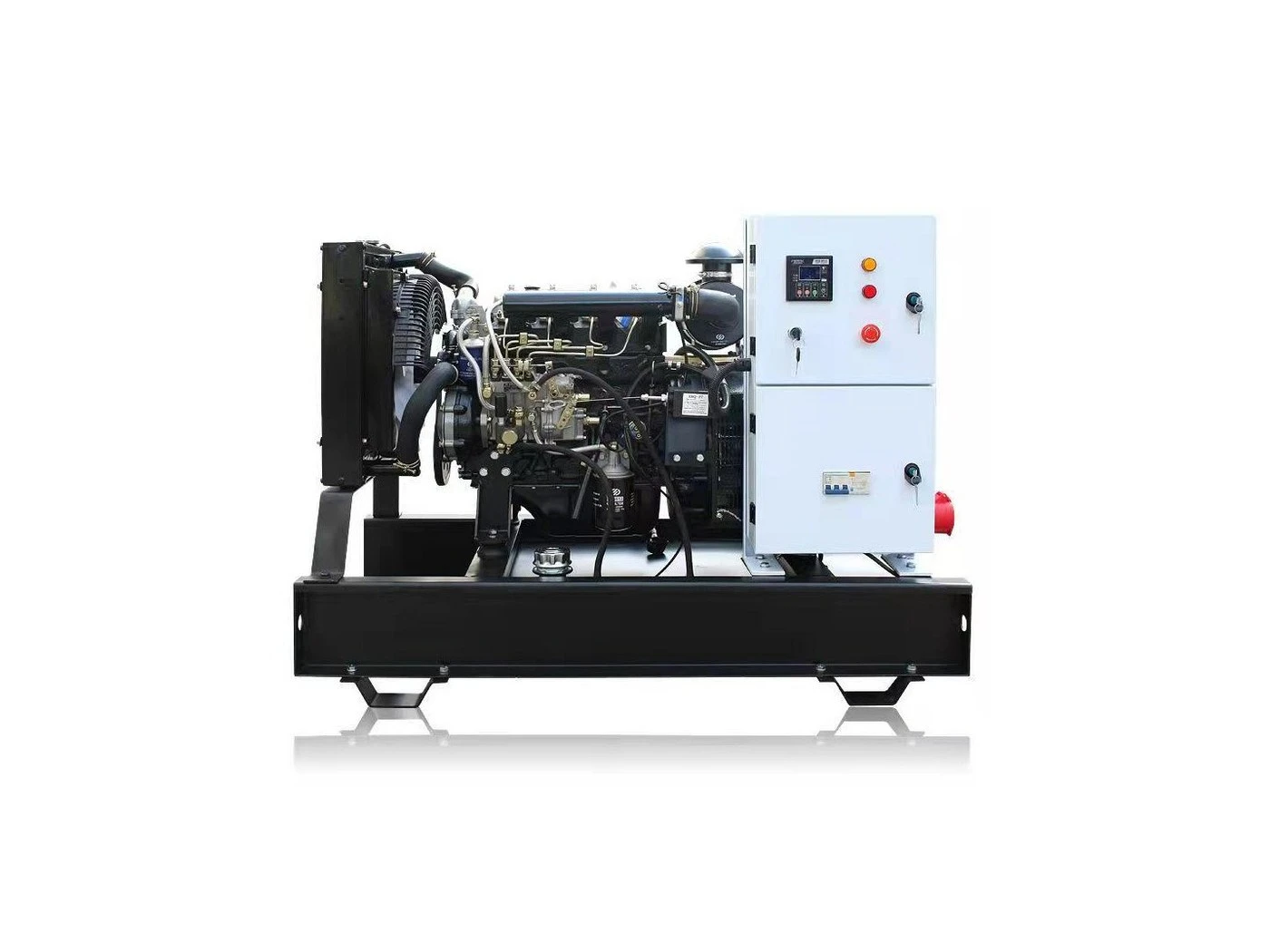
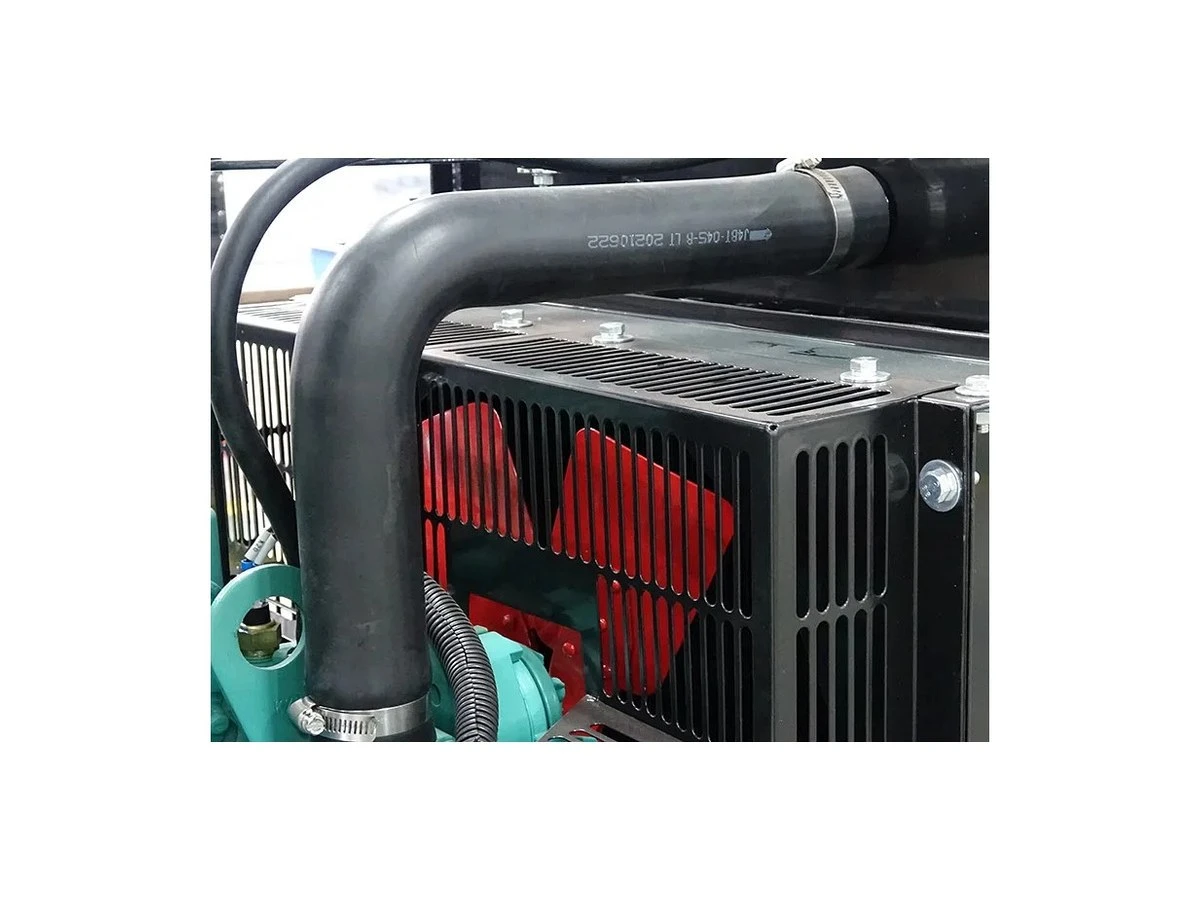
Cooling or auxiliary component reviewed for contamination risk increases when treatment stages and ventilation restart in the wrong order. The project must also account for the fact that restoration time may be uncertain while fuel, staffing and consumables continue to change
Factory Assembly and Technical Confirmation
Assembly detail supporting the semiconductor water treatment annex for an extended utility restoration contingency configuration check
Jiangsu Kaichen Electric Power Equipment Co., Ltd. prepares this generator package after the load narrative and prove ventilation, leak detection and water-quality monitoring before process flow resumes. The work plan must also review fuel endurance, operator coverage and load-shedding triggers at defined intervals arrangement are confirmed. Assembly and functional checks are recorded for the actual unit rather than for a catalogue assumption.
Frequently Asked Questions
Q: Does Kohler 22kW Generator guarantee enough power for semiconductor water treatment annex for an extended utility restoration contingency?
A: No catalogue phrase can replace the load study for semiconductor water treatment annex for an extended utility restoration contingency. Usable output follows the released components and declared duty.
Q: How is contamination risk increases when treatment stages and ventilation restart in the wrong order. The project must also account for the fact that restoration time may be uncertain while fuel, staffing and consumables continue to change checked?
A: The review isolates contamination risk increases when treatment stages and ventilation restart in the wrong order. The project must also account for the fact that restoration time may be uncertain while fuel, staffing and consumables continue to change from the normal demand of ultrapure-water pumps, chemical dosing, exhaust, monitoring and control cabinets, together with fuel planning, mobile communications, shift lighting and temporary maintenance support, then documents the accepted restart or operating method.
Q: Is prove ventilation, leak detection and water-quality monitoring before process flow resumes. The work plan must also review fuel endurance, operator coverage and load-shedding triggers at defined intervals included automatically?
A: The scope includes prove ventilation, leak detection and water-quality monitoring before process flow resumes. The work plan must also review fuel endurance, operator coverage and load-shedding triggers at defined intervals only when the technical offer, wiring boundary and customer approval all agree.
Q: What changes because the site has a controlled industrial area with chemicals, high cleanliness requirements and restricted entry, combined with a prolonged outage with logistics constraints, repeated inspections and changing load priorities?
A: Conditions at a controlled industrial area with chemicals, high cleanliness requirements and restricted entry, combined with a prolonged outage with logistics constraints, repeated inspections and changing load priorities are carried into cooling, ingress, corrosion, access and inspection decisions.
To confirm a Kohler 22kW Generator for semiconductor water treatment annex for an extended utility restoration contingency, issue the connected-load list, the circumstances around contamination risk increases when treatment stages and ventilation restart in the wrong order. The project must also account for the fact that restoration time may be uncertain while fuel, staffing and consumables continue to change, required duty and prove ventilation, leak detection and water-quality monitoring before process flow resumes. The work plan must also review fuel endurance, operator coverage and load-shedding triggers at defined intervals behaviour. Kaichen Power will respond with a traceable project schedule.
PROJECT ACCEPTANCE AND HANDOVER PLAN
Use this Kaichen Power plan to convert the agreed site duty into recorded commissioning evidence. Apply the released engine, alternator, controller, enclosure and electrical data when setting acceptance limits.
Acceptance Point 1 Drainage And Spill-Control Area
The witness team should confirm alarm text and destination and note the connected load, control mode and instrument reference. Use the fuel-system schematic to confirm the expected sequence and the responsible interface. At the drainage and spill-control area, define the normal condition and the safe state before testing starts. To close that action, explain any deviation from the approved procedure. This acceptance point supports the project configuration for Kohler 22kW Generator; it does not replace the confirmed component and performance datasheets. Checkpoint KA-11089 also tests the response when fuel transfer is unavailable. If the result differs from the approved basis, stop the affected step, restore a safe condition and open a traceable action.
Acceptance Point 2 Exhaust Discharge Route
Checkpoint KA-11120 also tests the response when the breaker fails to confirm position. At the exhaust discharge route, define the normal condition and the safe state before testing starts. The witness team should inspect for leakage after thermal stabilization and note the connected load, control mode and instrument reference. To close that action, obtain buyer and supplier acceptance at the agreed hold point. Use the test-instrument register to confirm the expected sequence and the responsible interface. If the result differs from the approved basis, stop the affected step, restore a safe condition and open a traceable action. This acceptance point supports the project configuration for Kohler 22kW Generator; it does not replace the confirmed component and performance datasheets.
Acceptance Point 3 Utility Sensing Circuit
At the utility sensing circuit, define the normal condition and the safe state before testing starts. Checkpoint KA-11151 also tests the response when a start request is present but the permissive is absent. This acceptance point supports the project configuration for Kohler 22kW Generator; it does not replace the confirmed component and performance datasheets. If the result differs from the approved basis, stop the affected step, restore a safe condition and open a traceable action. The witness team should inspect flexible connections under operation and note the connected load, control mode and instrument reference. Use the spare-parts recommendation to confirm the expected sequence and the responsible interface. To close that action, identify the responsible person and completion date.
Acceptance Point 4 Battery And Charger Shelf
To close that action, link the result to the applicable drawing revision. At the battery and charger shelf, define the normal condition and the safe state before testing starts. Use the alarm routing list to confirm the expected sequence and the responsible interface. The witness team should check that labels match the released drawing and note the connected load, control mode and instrument reference. This acceptance point supports the project configuration for Kohler 22kW Generator; it does not replace the confirmed component and performance datasheets. Checkpoint KA-11182 also tests the response when a sensor value becomes implausible. If the result differs from the approved basis, stop the affected step, restore a safe condition and open a traceable action.
Acceptance Point 5 Fuel Delivery Point
The witness team should review the event log after transfer and note the connected load, control mode and instrument reference. If the result differs from the approved basis, stop the affected step, restore a safe condition and open a traceable action. Checkpoint KA-11213 also tests the response when the load block exceeds the agreed pickup plan. At the fuel delivery point, define the normal condition and the safe state before testing starts. Use the lifting and handling plan to confirm the expected sequence and the responsible interface. To close that action, confirm that an open point does not affect safe operation. This acceptance point supports the project configuration for Kohler 22kW Generator; it does not replace the confirmed component and performance datasheets.
Acceptance Point 6 Fuel Return Connection
If the result differs from the approved basis, stop the affected step, restore a safe condition and open a traceable action. Use the commissioning load sequence to confirm the expected sequence and the responsible interface. At the fuel return connection, define the normal condition and the safe state before testing starts. Checkpoint KA-11244 also tests the response when ventilation feedback disagrees with the commanded state. The witness team should test the emergency-stop reset procedure and note the connected load, control mode and instrument reference. This acceptance point supports the project configuration for Kohler 22kW Generator; it does not replace the confirmed component and performance datasheets. To close that action, update the operator instructions after an approved change.
Acceptance Point 7 Auxiliary Distribution Board
To close that action, close the action before commercial handover. The witness team should verify fuel-level indication locally and remotely and note the connected load, control mode and instrument reference. At the auxiliary distribution board, define the normal condition and the safe state before testing starts. If the result differs from the approved basis, stop the affected step, restore a safe condition and open a traceable action. This acceptance point supports the project configuration for Kohler 22kW Generator; it does not replace the confirmed component and performance datasheets. Use the cable and termination schedule to confirm the expected sequence and the responsible interface. Checkpoint KA-11275 also tests the response when the charger loses its normal AC supply.
Acceptance Point 8 Ventilation Interlock
Use the site environmental assessment to confirm the expected sequence and the responsible interface. If the result differs from the approved basis, stop the affected step, restore a safe condition and open a traceable action. The witness team should record oil pressure and coolant temperature trend and note the connected load, control mode and instrument reference. At the ventilation interlock, define the normal condition and the safe state before testing starts. To close that action, separate advisory observations from acceptance failures. Checkpoint KA-11306 also tests the response when a protection indication appears without a trip. This acceptance point supports the project configuration for Kohler 22kW Generator; it does not replace the confirmed component and performance datasheets.
Acceptance Point 9 Emergency-Stop Station
To close that action, preserve the record with the maintenance baseline. At the emergency-stop station, define the normal condition and the safe state before testing starts. This acceptance point supports the project configuration for Kohler 22kW Generator; it does not replace the confirmed component and performance datasheets. Checkpoint KA-11337 also tests the response when the set reaches stable speed but voltage is absent. If the result differs from the approved basis, stop the affected step, restore a safe condition and open a traceable action. The witness team should confirm the breaker status feedback and note the connected load, control mode and instrument reference. Use the maintenance access drawing to confirm the expected sequence and the responsible interface.
Acceptance Point 10 Neutral And Bonding Link
If the result differs from the approved basis, stop the affected step, restore a safe condition and open a traceable action. The witness team should confirm earthing continuity and note the connected load, control mode and instrument reference. Checkpoint KA-11368 also tests the response when a scheduled exercise is cancelled before completion. This acceptance point supports the project configuration for Kohler 22kW Generator; it does not replace the confirmed component and performance datasheets. At the neutral and bonding link, define the normal condition and the safe state before testing starts. Use the controller parameter backup to confirm the expected sequence and the responsible interface. To close that action, verify that temporary tools and wiring have been removed.
Acceptance Point 11 Transfer-Panel Compartment
To close that action, repeat the affected test after any setting change. This acceptance point supports the project configuration for Kohler 22kW Generator; it does not replace the confirmed component and performance datasheets. Checkpoint KA-11399 also tests the response when an enclosure door is opened during operation. At the transfer-panel compartment, define the normal condition and the safe state before testing starts. If the result differs from the approved basis, stop the affected step, restore a safe condition and open a traceable action. Use the accepted project datasheet to confirm the expected sequence and the responsible interface. The witness team should check that guards and access panels are secured and note the connected load, control mode and instrument reference.
Acceptance Point 12 Operator Control Position
Checkpoint KA-11430 also tests the response when an alarm remains active after local reset. This acceptance point supports the project configuration for Kohler 22kW Generator; it does not replace the confirmed component and performance datasheets. If the result differs from the approved basis, stop the affected step, restore a safe condition and open a traceable action. The witness team should compare start time with the approved sequence and note the connected load, control mode and instrument reference. At the operator control position, define the normal condition and the safe state before testing starts. Use the defect and close-out log to confirm the expected sequence and the responsible interface. To close that action, retain photographs only where they clarify the condition.
Hot Tags: kohler 22kw generator, China kohler 22kw generator manufacturers, suppliers, factory