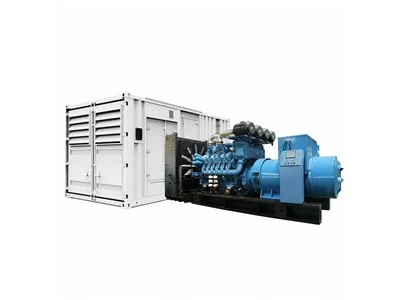
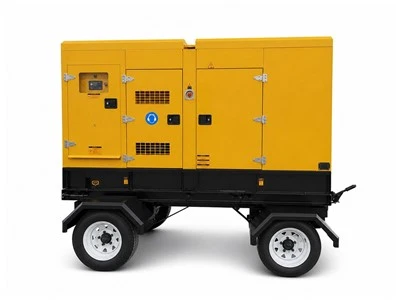
Silent Kirloskar Generator configuration planning for paper mill finishing and dispatch line while fire-water controls undergo functional testing, with emphasis on web tension and moving rolls create hazards if drives restart without line coordination. The project must also account for the fact that automatic starts and supervisory signals may be deliberately inhibited during test steps
Send Inquiry
Description
Technical Parameters
Product Overview
The central question at paper mill finishing and dispatch line while fire-water controls undergo functional testing is not whether Silent Kirloskar Generator sounds large enough, but whether the selected system can restore the required process. That answer depends on winders, cutters, dust collection, conveyors, wrapping machines and warehouse systems, together with temporary pressure indication, pump-status supervision and witnessed alarm logging, their sequence and web tension and moving rolls create hazards if drives restart without line coordination. The project must also account for the fact that automatic starts and supervisory signals may be deliberately inhibited during test steps.
The resulting Kaichen Power proposal identifies the selected architecture, confirm line clearance and dust extraction before releasing individual drive groups. The work plan must also confirm pump availability, alarm routing and impairment closure after every test stage, enclosure and testing scope. It also states which responsibilities remain with the installer working in a warm fibrous environment with dust, heavy rolls and continuous material movement, combined with a life-safety test with controlled impairments, observers and immediate restoration duties.
Reference Configuration
This configuration table records the inquiry basis for paper mill finishing and dispatch line while fire-water controls undergo functional testing. Final ratings and options depend on the approved engine, alternator, controls, enclosure and site conditions.
Parameter
Configuration Basis
Capacity wording
Silent Kirloskar Generator retained as the supplied keyword for the paper mill finishing and dispatch line while fire-water controls undergo functional testing inquiry; usable rating follows approved component data
Continuity objective
documented emergency-power readiness throughout fire-system testing at the paper mill finishing and dispatch line for paper mill finishing and dispatch line while fire-water controls undergo functional testing
Demand map
Operating records for winders, cutters, dust collection, conveyors, wrapping machines and warehouse systems, together with temporary pressure indication, pump-status supervision and witnessed alarm logging reviewed by the project team
Restart risk
Engineering attention directed to web tension and moving rolls create hazards if drives restart without line coordination. The project must also account for the fact that automatic starts and supervisory signals may be deliberately inhibited during test steps
Distribution scope
Voltage, frequency, phase, neutral, breaker and connection method agreed with the finishing manager, drive specialist and warehouse coordinator and the fire-water test coordinator
Operator interface
confirm line clearance and dust extraction before releasing individual drive groups. The work plan must also confirm pump availability, alarm routing and impairment closure after every test stage coordinated with the operating procedure
Environmental basis
Enclosure, cooling, service access and protection assessed for a warm fibrous environment with dust, heavy rolls and continuous material movement, combined with a life-safety test with controlled impairments, observers and immediate restoration duties
Final schedule
Current, dimensions, performance and test records issued for the released documented emergency-power readiness throughout fire-system testing at the paper mill finishing and dispatch line configuration
Protect the Operating Sequence at Paper Mill Finishing And Dispatch Line While Fire-Water Controls Undergo Functional Testing
1
Use field observations to validate the schedule for winders, cutters, dust collection, conveyors, wrapping machines and warehouse systems, together with temporary pressure indication, pump-status supervision and witnessed alarm logging.
2
Prevent web tension and moving rolls create hazards if drives restart without line coordination. The project must also account for the fact that automatic starts and supervisory signals may be deliberately inhibited during test steps from being hidden inside a total-load figure.
3
Write an operator response for every state of confirm line clearance and dust extraction before releasing individual drive groups. The work plan must also confirm pump availability, alarm routing and impairment closure after every test stage.
4
Check storage and standby readiness under a warm fibrous environment with dust, heavy rolls and continuous material movement, combined with a life-safety test with controlled impairments, observers and immediate restoration duties.
Where This Silent Kirloskar Generator Inquiry Fits
Teams responsible for paper mill finishing and dispatch line while fire-water controls undergo functional testing and its continuity plan.
Sites where winders, cutters, dust collection, conveyors, wrapping machines and warehouse systems, together with temporary pressure indication, pump-status supervision and witnessed alarm logging have documented restoration priorities.
Projects requiring a separate decision about web tension and moving rolls create hazards if drives restart without line coordination. The project must also account for the fact that automatic starts and supervisory signals may be deliberately inhibited during test steps.
Installations that must remain serviceable in a warm fibrous environment with dust, heavy rolls and continuous material movement, combined with a life-safety test with controlled impairments, observers and immediate restoration duties.
Prepare the Paper Mill Finishing And Dispatch Line While Fire-Water Controls Undergo Functional Testing Data
Send the operating timetable for winders, cutters, dust collection, conveyors, wrapping machines and warehouse systems, together with temporary pressure indication, pump-status supervision and witnessed alarm logging.
Provide the equipment records needed to assess web tension and moving rolls create hazards if drives restart without line coordination. The project must also account for the fact that automatic starts and supervisory signals may be deliberately inhibited during test steps.
State the required behaviour of confirm line clearance and dust extraction before releasing individual drive groups. The work plan must also confirm pump availability, alarm routing and impairment closure after every test stage.
Describe access, ventilation and exposure at a warm fibrous environment with dust, heavy rolls and continuous material movement, combined with a life-safety test with controlled impairments, observers and immediate restoration duties.
Confirm the review contacts from the finishing manager, drive specialist and warehouse coordinator and the fire-water test coordinator.
Project Release Record 4034
Interface record 4034. Put the agreed voltage, frequency, phases, neutral method, breaker duty, cable termination, earthing and transfer ownership on the controlled drawing. The operating team must also confirm line clearance and dust extraction before releasing individual drive groups. The work plan must also confirm pump availability, alarm routing and impairment closure after every test stage.
Site record 4034. Select ventilation, exhaust routing, fuel handling, drainage, lifting and enclosure protection for a warm fibrous environment with dust, heavy rolls and continuous material movement, combined with a life-safety test with controlled impairments, observers and immediate restoration duties. Preserve safe access after surrounding services are complete.
Responsibility record 4034. the finishing manager, drive specialist and warehouse coordinator and the fire-water test coordinator should approve start authority, reset permissions, alarm destinations, local fallback and emergency shutdown response.
Offer record 4034. List included equipment, selected accessories, site work, commissioning support and documentation. Leave unverified output, consumption, sound, emissions and dimensional values subject to the approved datasheet.
Inspection record 4034. Before shipment, compare component identity, assembly, wiring, controls, indications and shutdown functions with the released build record and close every deviation.
Witness record 4034. Demonstrate start request, voltage establishment, staged load connection, alarm handling, controlled stop and return to normal. The test should show documented emergency-power readiness throughout fire-system testing at the paper mill finishing and dispatch line.
Handover record 4034. Deliver accepted drawings, settings, cable information, operating instructions, maintenance tasks, spares data and training evidence with named owners for any open item.
Release file 4034. Keep the supplied keyword as the catalogue title, but define the delivered equipment from the signed technical schedule for paper mill finishing and dispatch line while fire-water controls undergo functional testing.
Load record 4034. Measure or document winders, cutters, dust collection, conveyors, wrapping machines and warehouse systems, together with temporary pressure indication, pump-status supervision and witnessed alarm logging. Separate continuous demand, starting events, recovery blocks and circuits that the operator may defer.
Event record 4034. Engineering review is required because web tension and moving rolls create hazards if drives restart without line coordination. The project must also account for the fact that automatic starts and supervisory signals may be deliberately inhibited during test steps. State the acceptance limit and the evidence used to verify it.
Product and Component Images
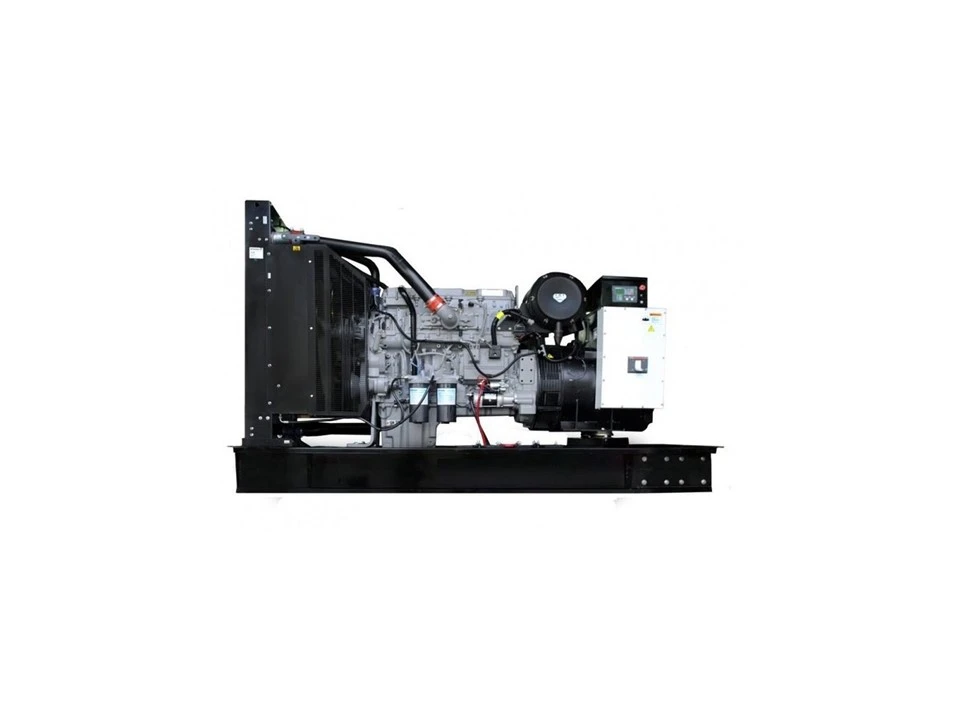
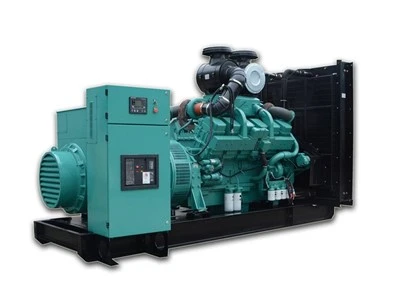
Alternative generator arrangement considered for paper mill finishing and dispatch line while fire-water controls undergo functional testing
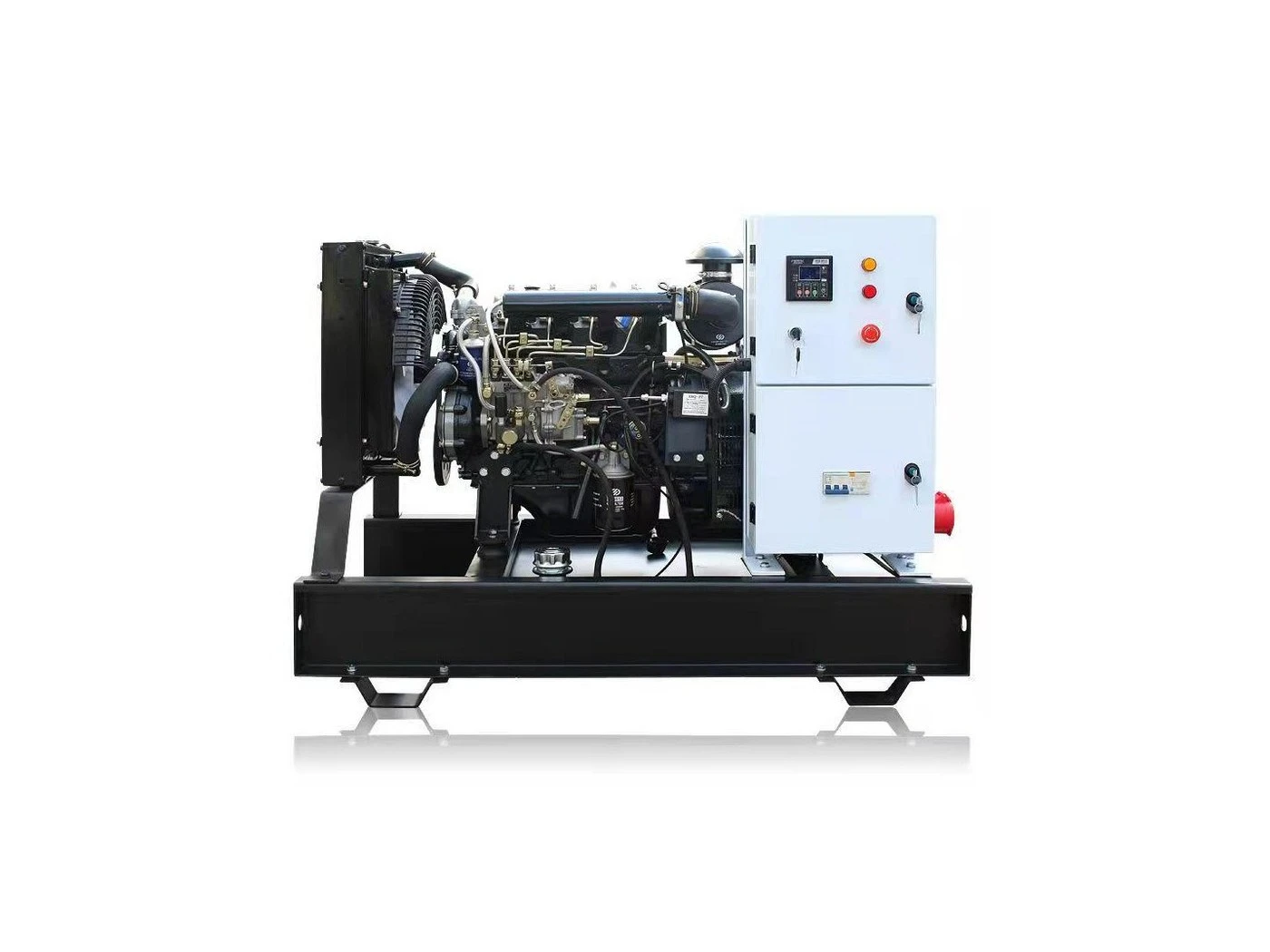
Service-access perspective used while reviewing winders, cutters, dust collection, conveyors, wrapping machines and warehouse systems, together with temporary pressure indication, pump-status supervision and witnessed alarm logging
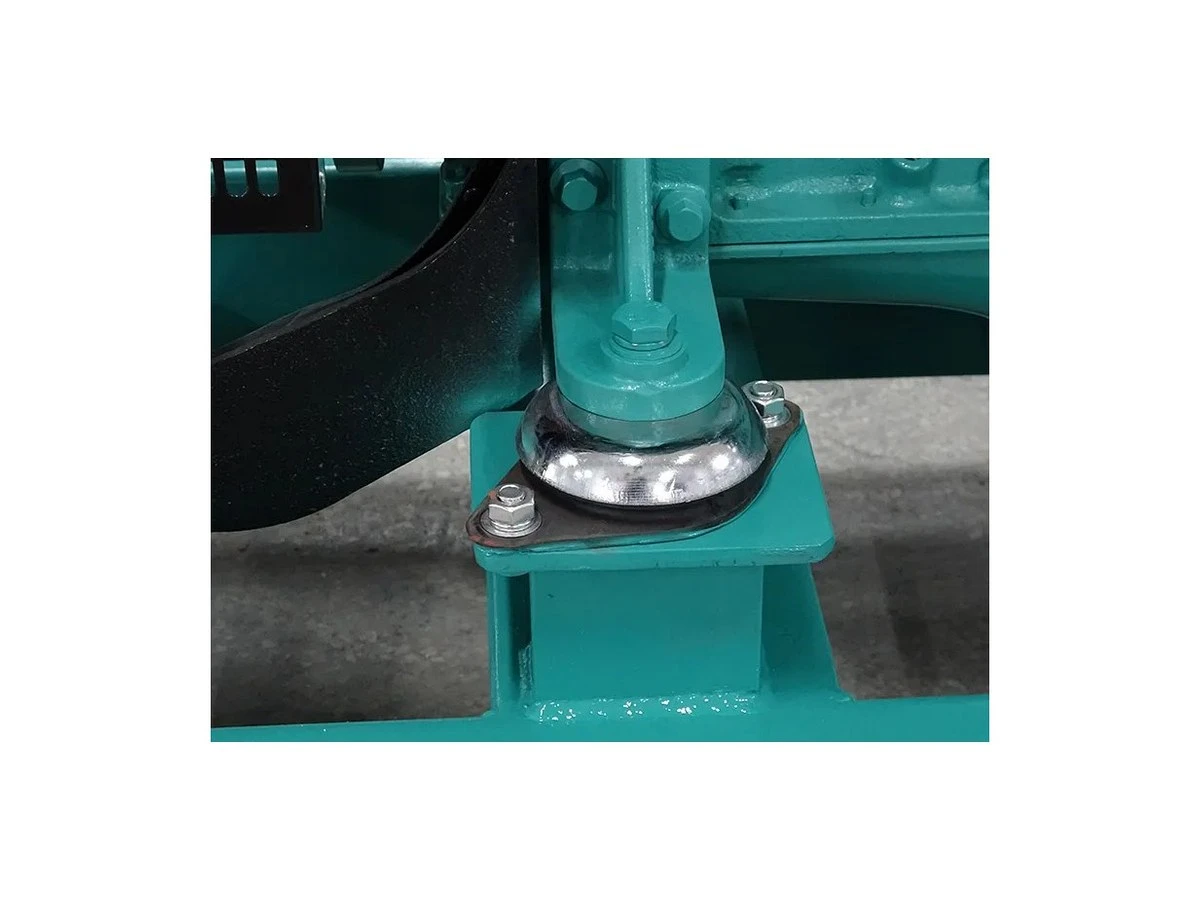
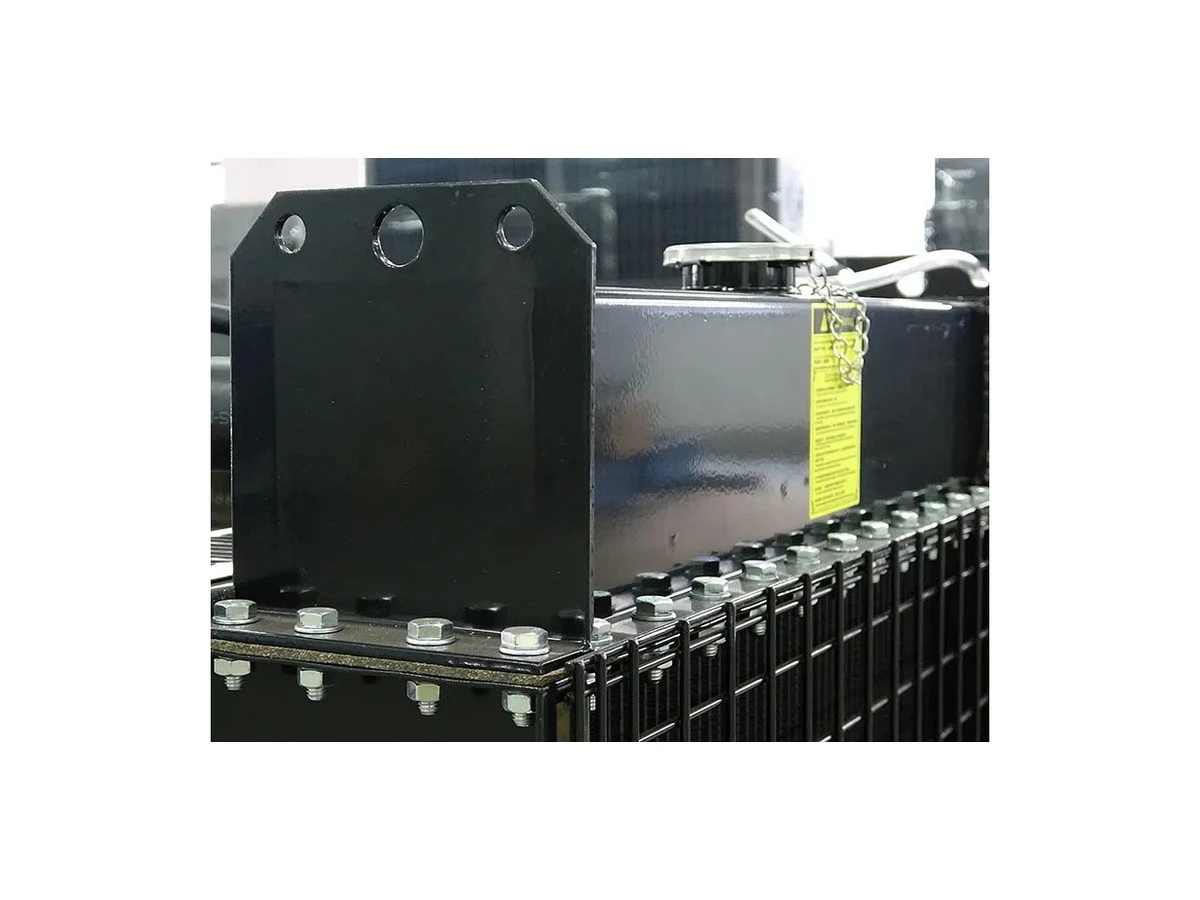
Mounting detail relevant to a warm fibrous environment with dust, heavy rolls and continuous material movement, combined with a life-safety test with controlled impairments, observers and immediate restoration duties
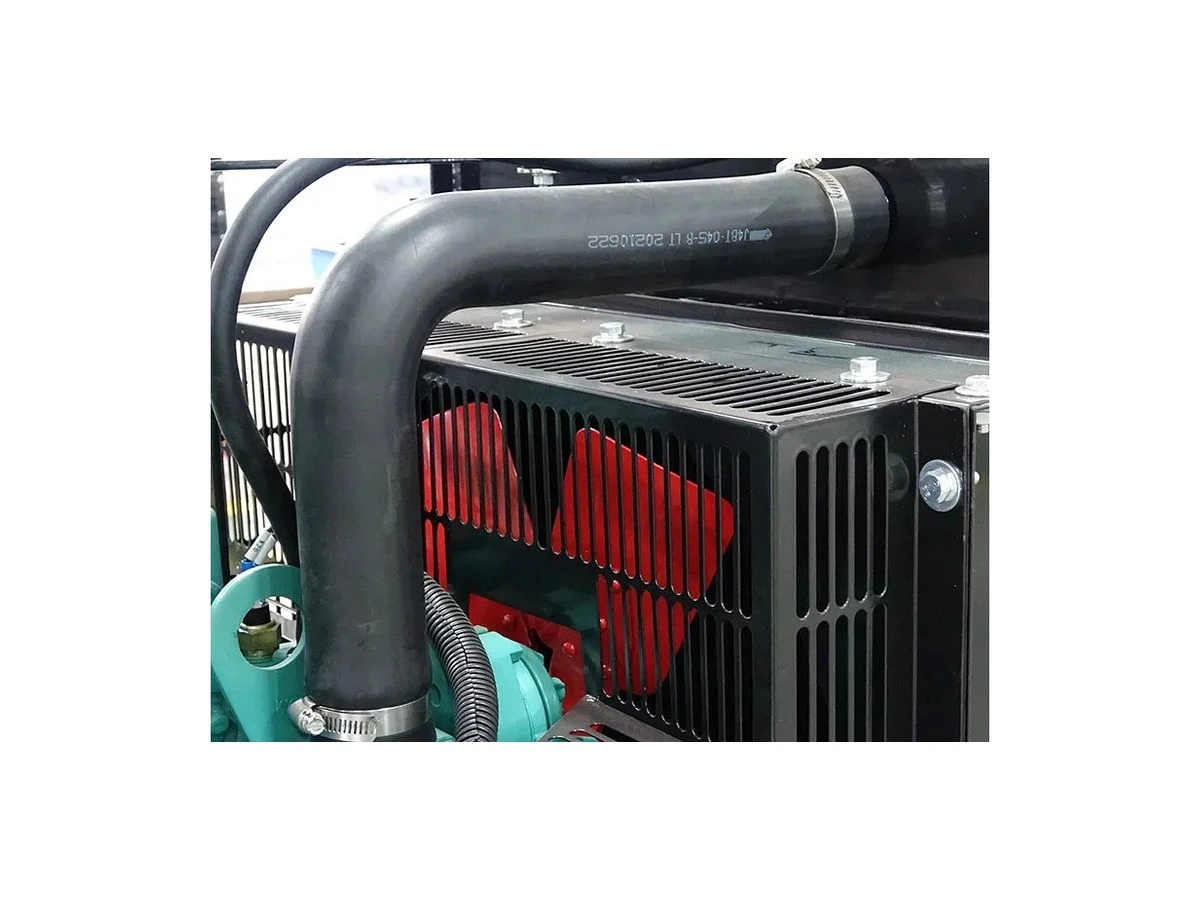
Cooling or auxiliary component reviewed for web tension and moving rolls create hazards if drives restart without line coordination. The project must also account for the fact that automatic starts and supervisory signals may be deliberately inhibited during test steps
Factory Assembly and Technical Confirmation
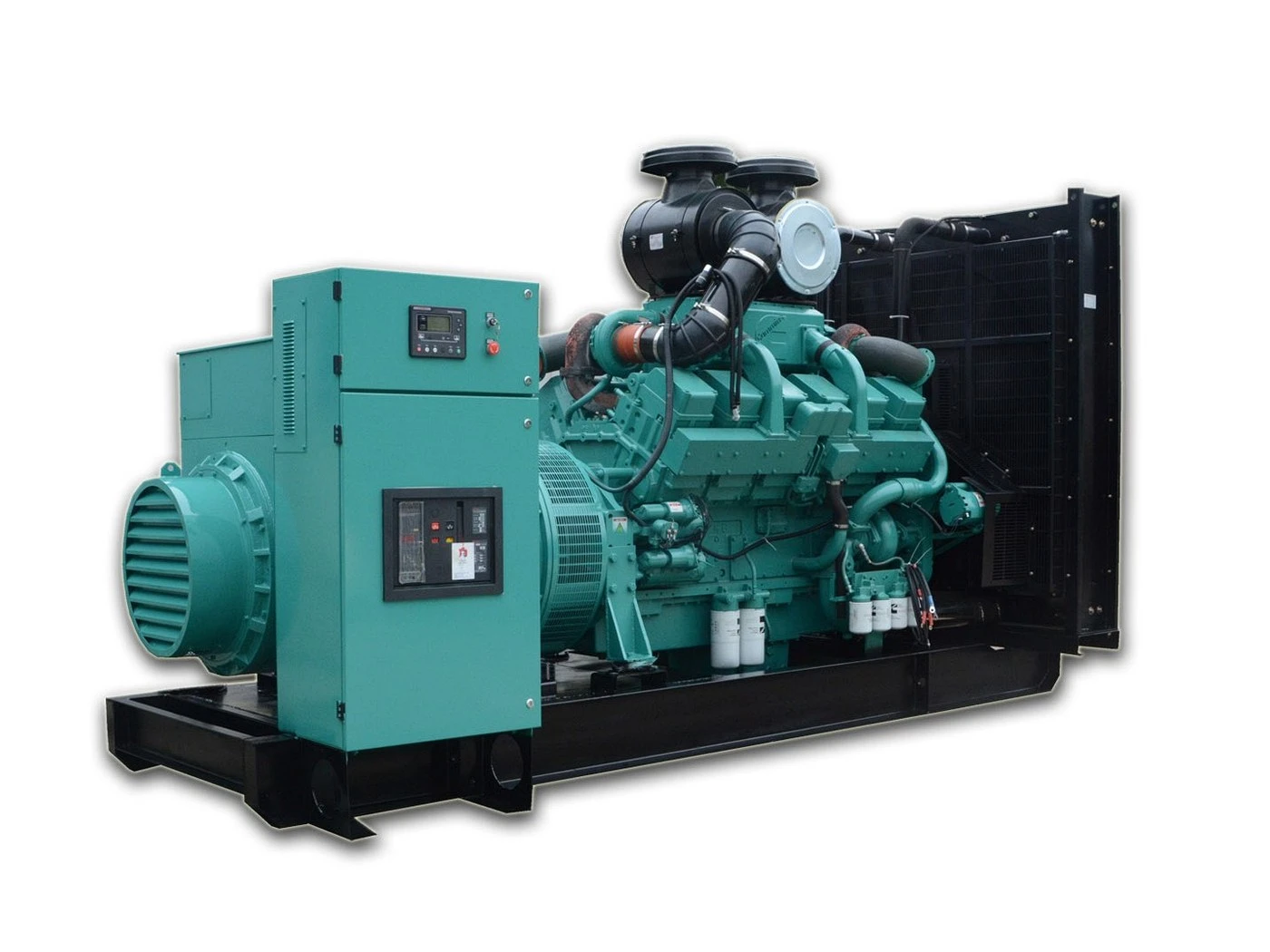
Assembly detail supporting the paper mill finishing and dispatch line while fire-water controls undergo functional testing configuration check
Jiangsu Kaichen Electric Power Equipment Co., Ltd. prepares this generator package after the load narrative and confirm line clearance and dust extraction before releasing individual drive groups. The work plan must also confirm pump availability, alarm routing and impairment closure after every test stage arrangement are confirmed. Assembly and functional checks are recorded for the actual unit rather than for a catalogue assumption.
Frequently Asked Questions
Q: Does Silent Kirloskar Generator guarantee enough power for paper mill finishing and dispatch line while fire-water controls undergo functional testing?
A: No catalogue phrase can replace the load study for paper mill finishing and dispatch line while fire-water controls undergo functional testing. Usable output follows the released components and declared duty.
Q: How is web tension and moving rolls create hazards if drives restart without line coordination. The project must also account for the fact that automatic starts and supervisory signals may be deliberately inhibited during test steps checked?
A: The review isolates web tension and moving rolls create hazards if drives restart without line coordination. The project must also account for the fact that automatic starts and supervisory signals may be deliberately inhibited during test steps from the normal demand of winders, cutters, dust collection, conveyors, wrapping machines and warehouse systems, together with temporary pressure indication, pump-status supervision and witnessed alarm logging, then documents the accepted restart or operating method.
Q: Is confirm line clearance and dust extraction before releasing individual drive groups. The work plan must also confirm pump availability, alarm routing and impairment closure after every test stage included automatically?
A: The scope includes confirm line clearance and dust extraction before releasing individual drive groups. The work plan must also confirm pump availability, alarm routing and impairment closure after every test stage only when the technical offer, wiring boundary and customer approval all agree.
Q: What changes because the site has a warm fibrous environment with dust, heavy rolls and continuous material movement, combined with a life-safety test with controlled impairments, observers and immediate restoration duties?
A: Conditions at a warm fibrous environment with dust, heavy rolls and continuous material movement, combined with a life-safety test with controlled impairments, observers and immediate restoration duties are carried into cooling, ingress, corrosion, access and inspection decisions.
To confirm a Silent Kirloskar Generator for paper mill finishing and dispatch line while fire-water controls undergo functional testing, issue the connected-load list, the circumstances around web tension and moving rolls create hazards if drives restart without line coordination. The project must also account for the fact that automatic starts and supervisory signals may be deliberately inhibited during test steps, required duty and confirm line clearance and dust extraction before releasing individual drive groups. The work plan must also confirm pump availability, alarm routing and impairment closure after every test stage behaviour. Kaichen Power will respond with a traceable project schedule.
PROJECT ACCEPTANCE AND HANDOVER PLAN
Use this Kaichen Power plan to convert the agreed site duty into recorded commissioning evidence. Apply the released engine, alternator, controller, enclosure and electrical data when setting acceptance limits.
Acceptance Point 1 Neutral And Bonding Link
The witness team should inspect for leakage after thermal stabilization and note the connected load, control mode and instrument reference. To close that action, repeat the affected test after any setting change. At the neutral and bonding link, define the normal condition and the safe state before testing starts. If the result differs from the approved basis, stop the affected step, restore a safe condition and open a traceable action. Checkpoint KA-4833 also tests the response when a start request is present but the permissive is absent. This acceptance point supports the project configuration for Silent Kirloskar Generator; it does not replace the confirmed component and performance datasheets. Use the training attendance record to confirm the expected sequence and the responsible interface.
Acceptance Point 2 Fire Detection Interface
If the result differs from the approved basis, stop the affected step, restore a safe condition and open a traceable action. This acceptance point supports the project configuration for Silent Kirloskar Generator; it does not replace the confirmed component and performance datasheets. To close that action, issue the final record with the equipment serial reference. Checkpoint KA-4864 also tests the response when a nonessential feeder reconnects too early. Use the test-instrument register to confirm the expected sequence and the responsible interface. At the fire detection interface, define the normal condition and the safe state before testing starts. The witness team should verify the local fallback control and note the connected load, control mode and instrument reference.
Acceptance Point 3 Generator Service Bay
To close that action, state the operating condition in which the check was made. Use the delivery scope schedule to confirm the expected sequence and the responsible interface. The witness team should inspect flexible connections under operation and note the connected load, control mode and instrument reference. If the result differs from the approved basis, stop the affected step, restore a safe condition and open a traceable action. This acceptance point supports the project configuration for Silent Kirloskar Generator; it does not replace the confirmed component and performance datasheets. At the generator service bay, define the normal condition and the safe state before testing starts. Checkpoint KA-4895 also tests the response when a scheduled exercise is cancelled before completion.
Acceptance Point 4 Battery And Charger Shelf
The witness team should measure current balance at stable load and note the connected load, control mode and instrument reference. To close that action, close the action before commercial handover. Checkpoint KA-4926 also tests the response when the operator must stop the sequence locally. This acceptance point supports the project configuration for Silent Kirloskar Generator; it does not replace the confirmed component and performance datasheets. Use the alarm routing list to confirm the expected sequence and the responsible interface. If the result differs from the approved basis, stop the affected step, restore a safe condition and open a traceable action. At the battery and charger shelf, define the normal condition and the safe state before testing starts.
Acceptance Point 5 Drainage And Spill-Control Area
This acceptance point supports the project configuration for Silent Kirloskar Generator; it does not replace the confirmed component and performance datasheets. Checkpoint KA-4957 also tests the response when an enclosure door is opened during operation. Use the protection setting sheet to confirm the expected sequence and the responsible interface. If the result differs from the approved basis, stop the affected step, restore a safe condition and open a traceable action. To close that action, identify the responsible person and completion date. The witness team should review the event log after transfer and note the connected load, control mode and instrument reference. At the drainage and spill-control area, define the normal condition and the safe state before testing starts.
Acceptance Point 6 Maintenance Lifting Route
The witness team should record oil pressure and coolant temperature trend and note the connected load, control mode and instrument reference. Use the site environmental assessment to confirm the expected sequence and the responsible interface. This acceptance point supports the project configuration for Silent Kirloskar Generator; it does not replace the confirmed component and performance datasheets. At the maintenance lifting route, define the normal condition and the safe state before testing starts. To close that action, update the operator instructions after an approved change. If the result differs from the approved basis, stop the affected step, restore a safe condition and open a traceable action. Checkpoint KA-4988 also tests the response when one phase current differs materially from the others.
Acceptance Point 7 Starting-Air Or Cranking Circuit
To close that action, preserve the record with the maintenance baseline. Use the maintenance access drawing to confirm the expected sequence and the responsible interface. If the result differs from the approved basis, stop the affected step, restore a safe condition and open a traceable action. At the starting-air or cranking circuit, define the normal condition and the safe state before testing starts. This acceptance point supports the project configuration for Silent Kirloskar Generator; it does not replace the confirmed component and performance datasheets. Checkpoint KA-5019 also tests the response when a spill or drainage alarm is raised. The witness team should check that labels match the released drawing and note the connected load, control mode and instrument reference.
Acceptance Point 8 Load-Bank Connection Point
This acceptance point supports the project configuration for Silent Kirloskar Generator; it does not replace the confirmed component and performance datasheets. To close that action, explain any deviation from the approved procedure. Use the accepted project datasheet to confirm the expected sequence and the responsible interface. If the result differs from the approved basis, stop the affected step, restore a safe condition and open a traceable action. Checkpoint KA-5050 also tests the response when weather restricts access to the service side. The witness team should confirm alarm text and destination and note the connected load, control mode and instrument reference. At the load-bank connection point, define the normal condition and the safe state before testing starts.
Acceptance Point 9 Transfer-Panel Compartment
If the result differs from the approved basis, stop the affected step, restore a safe condition and open a traceable action. At the transfer-panel compartment, define the normal condition and the safe state before testing starts. Checkpoint KA-5081 also tests the response when remote communications fail after transfer. The witness team should record charger voltage in each operating state and note the connected load, control mode and instrument reference. This acceptance point supports the project configuration for Silent Kirloskar Generator; it does not replace the confirmed component and performance datasheets. Use the ventilation and exhaust drawing to confirm the expected sequence and the responsible interface. To close that action, separate advisory observations from acceptance failures.
Acceptance Point 10 Cable Termination Zone
To close that action, verify that temporary tools and wiring have been removed. If the result differs from the approved basis, stop the affected step, restore a safe condition and open a traceable action. At the cable termination zone, define the normal condition and the safe state before testing starts. Use the defect and close-out log to confirm the expected sequence and the responsible interface. Checkpoint KA-5112 also tests the response when the charger loses its normal AC supply. This acceptance point supports the project configuration for Silent Kirloskar Generator; it does not replace the confirmed component and performance datasheets. The witness team should observe exhaust and cooling clearances and note the connected load, control mode and instrument reference.
Acceptance Point 11 Ventilation Interlock
Checkpoint KA-5143 also tests the response when a protection indication appears without a trip. If the result differs from the approved basis, stop the affected step, restore a safe condition and open a traceable action. To close that action, attach the measured result rather than a verbal confirmation. This acceptance point supports the project configuration for Silent Kirloskar Generator; it does not replace the confirmed component and performance datasheets. Use the spare-parts recommendation to confirm the expected sequence and the responsible interface. At the ventilation interlock, define the normal condition and the safe state before testing starts. The witness team should test the emergency-stop reset procedure and note the connected load, control mode and instrument reference.
Acceptance Point 12 Coolant Service Area
To close that action, confirm that an open point does not affect safe operation. This acceptance point supports the project configuration for Silent Kirloskar Generator; it does not replace the confirmed component and performance datasheets. The witness team should verify the return-to-normal delay and note the connected load, control mode and instrument reference. Checkpoint KA-5174 also tests the response when utility voltage returns during the loading sequence. Use the factory inspection record to confirm the expected sequence and the responsible interface. If the result differs from the approved basis, stop the affected step, restore a safe condition and open a traceable action. At the coolant service area, define the normal condition and the safe state before testing starts.