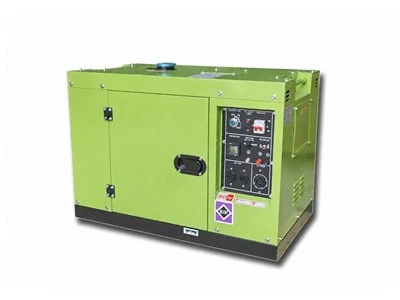
A portable power generator is a convenient and practical device that can provide electricity in various situations, such as outdoor activities, construction sites, and emergency backup power. One common question that often arises is whether a portable power generator can be used for welding. In this blog post, we'll explore this topic in detail and provide a comprehensive answer. As a supplier of portable power generators, we aim to share the best insights and solutions with our potential customers.
Understanding the Basics of Welding
Welding is a process that joins two or more pieces of metal by melting and fusing them together. This process requires a significant amount of electrical power to create an arc between the welding electrode and the metal workpiece. The arc generates heat, which melts the metal and allows it to flow and bond together. Different welding processes, such as MIG (Metal Inert Gas), TIG (Tungsten Inert Gas), and SMAW (Shielded Metal Arc Welding), have varying power requirements.
Power Requirements for Welding
The power requirement for welding largely depends on the type of welding process and the thickness of the metal being welded. Generally, welding machines need a stable and sufficient power supply, typically with high amperage. For instance, light - duty welding on thin metals might require around 100 - 150 amps, while heavy - duty welding of thick metals can demand 300 amps or more.
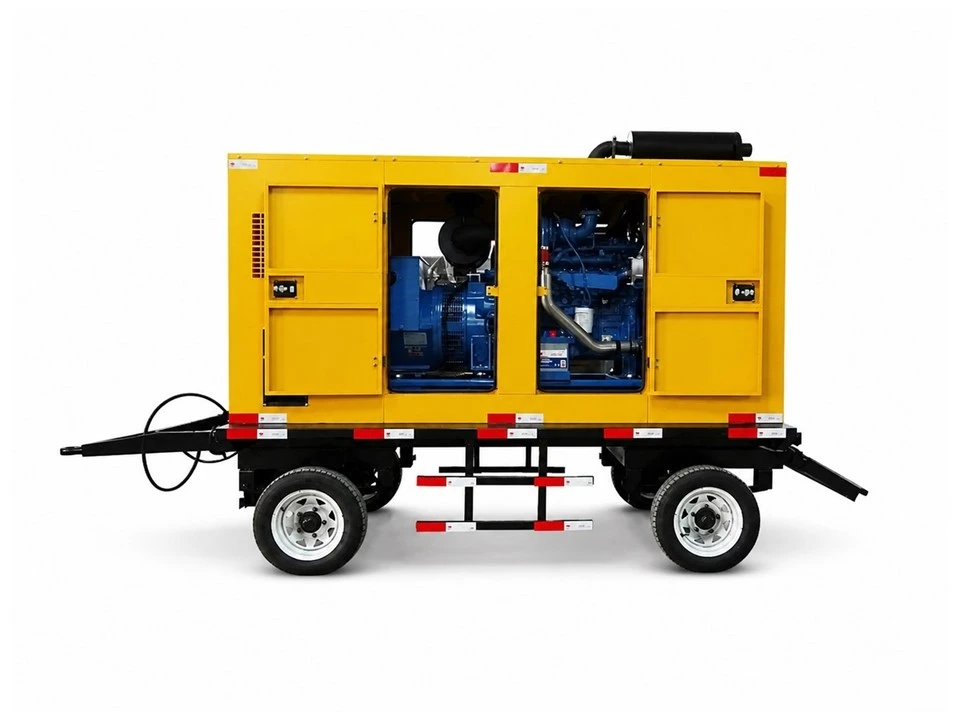

Characteristics of Portable Power Generators
Portable power generators come in various sizes and capacities. They can run on different fuel sources, such as gasoline, diesel, natural gas, or propane. These generators are designed to provide a range of power outputs, usually measured in watts or kilowatts. Smaller portable generators may have a power output of a few kilowatts, while larger ones can reach up to several tens of kilowatts.
Can a Portable Power Generator be Used for Welding?
The short answer is: it depends. Some portable power generators can be used for welding, but not all of them. Here are the key factors to consider:
Power Output
The most crucial factor is whether the generator can supply enough power for the welding machine. For example, a 3kVA Generator may have a relatively low power output, which might only be suitable for very light - duty welding tasks on extremely thin metals, if at all. On the other hand, a 40kW Generator or a 40kVA Generator is more likely to provide sufficient power for medium to heavy - duty welding jobs.
Typically, welding machines have their own power ratings specified by the manufacturer. You need to ensure that the generator's continuous power output is at least equal to, or preferably higher than, the welding machine's rated power. This is to prevent the generator from being overloaded, which can damage the generator and the welding machine and lead to poor welding results.
Voltage Stability
Welding requires a stable voltage supply. Some generators may produce a fluctuating voltage, especially when the load changes. Inconsistent voltage can cause problems during welding, such as an unstable arc. High - quality portable generators are designed to maintain a relatively stable voltage output. When choosing a generator for welding, look for models with features like automatic voltage regulation (AVR). This technology helps to keep the voltage within an acceptable range, regardless of the load on the generator.
Frequency Compatibility
The frequency of the electrical power output is also important. In most countries, the standard frequency for electrical power is 50Hz or 60Hz. Welding machines are designed to operate at a specific frequency. Make sure the generator's frequency output matches the requirements of the welding machine. Using a generator with an incompatible frequency can lead to improper functioning of the welding equipment.
Generator Type
Inverter generators are often a better choice for welding compared to conventional generators. Inverter generators can produce clean and stable power, which is beneficial for sensitive electronic components in modern welding machines. They also tend to have better fuel efficiency and less noise. Conventional generators may be suitable for some older, more robust welding machines, but they may not offer the same level of power quality.
Examples of Suitable Generators for Welding
Here are some scenarios where different generators can be used for welding:
Light - Duty Welding
For occasional light - duty welding tasks on thin metals, such as automotive body repair or small DIY projects, a 7kW Generator may be sufficient. These generators can usually provide enough power to run a small - to medium - sized MIG or TIG welding machine.
Medium - to Heavy - Duty Welding
For professional or more frequent welding jobs on thicker metals, larger generators like the 40kW Generator or 40kVA Generator are more appropriate. These generators can handle the high power demands of larger welding machines, such as industrial - grade SMAW welders.
Large - Scale Welding Operations
In large - scale construction sites or industrial settings that require continuous and high - power welding, 1000KVA Power Generators are the ideal choice. They can supply a large amount of stable power to multiple welding machines simultaneously.
Precautions When Using a Portable Generator for Welding
- Proper Grounding: Ensure that both the generator and the welding machine are properly grounded. This is crucial for safety, as it helps to prevent electrical shocks.
- Ventilation: Portable generators produce exhaust fumes, which are toxic. Always operate the generator in a well - ventilated area, away from enclosed spaces or areas with poor air circulation.
- Regular Maintenance: Keep the generator well - maintained. Regularly check the oil level, fuel filter, and spark plug (for gasoline generators). A well - maintained generator is more likely to provide a stable power supply.
- Load Management: Avoid overloading the generator. If you need to use other equipment along with the welding machine, make sure the total power consumption does not exceed the generator's rated capacity.
Conclusion
In conclusion, a portable power generator can be used for welding, but careful consideration of power output, voltage stability, frequency compatibility, and generator type is necessary. As a supplier of portable power generators, we offer a wide range of products to meet different welding needs. Whether you are a DIY enthusiast looking for a small generator for occasional welding or a professional welder in need of a high - power solution for large - scale projects, we have the right generator for you.
If you are interested in purchasing a portable power generator for welding or have any questions about our products, feel free to contact us. We are always ready to provide more information and help you make the best choice for your specific requirements.
References
- "Welding Handbook", American Welding Society
- Technical manuals of various welding machines and portable power generators