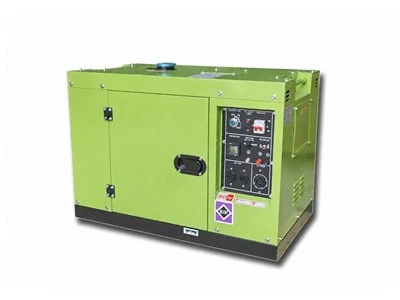
Picking the right size of a portable power generator can feel like navigating a maze. As a supplier of portable power generators, I've seen firsthand the confusion that customers face when trying to figure out the perfect fit for their needs. In this blog, I'll break down the factors you need to consider and give you some tips to make the selection process a whole lot easier.
Understanding Your Power Needs
The first step in choosing the right generator size is to understand what you're going to power. You've got to make a list of all the devices and appliances you want to run during a power outage or while you're on the go. This list will be your roadmap for determining the wattage requirements.
- Starting Wattage vs. Running Wattage: Every device has two wattage ratings: starting wattage and running wattage. The starting wattage is the amount of power the device needs to start up, which is usually higher than the running wattage required to keep it operating. For example, a refrigerator might have a starting wattage of 1200 watts but only need 200 watts to run. You need to account for the starting wattage of all your devices when sizing your generator.
- Essential vs. Non - Essential Loads: Decide which devices are essential and which ones you can do without. In a power outage, you might only need to run critical appliances like a refrigerator, freezer, a few lights, and a medical device. Non - essential loads, such as a television or a gaming console, can be left off during a power shortage.
Let's take a look at some common devices and their wattage requirements:
| Device | Starting Wattage | Running Wattage |
|---|---|---|
| Refrigerator | 1200 - 2200 W | 200 - 400 W |
| Lights (LED) | 5 - 20 W | 5 - 20 W |
| Laptop | 50 - 100 W | 50 - 100 W |
| Window Air Conditioner (10,000 BTU) | 2800 - 3000 W | 1000 - 1500 W |
Once you've listed all your devices and their wattage requirements, add up the starting wattage of the device with the highest starting wattage and the running wattage of all the other devices you want to run simultaneously. This total will give you a rough estimate of the minimum wattage your generator should have.
Types of Usage
Your intended use for the generator also plays a crucial role in determining the right size. Here are some common scenarios:
- Home Backup: If you're using the generator as a home backup during power outages, you'll need to power essential appliances. A small home might only need a 40kW Generator to run a refrigerator, a few lights, and a small heater. Larger homes with more appliances, such as central air conditioning or an electric stove, might require a 500kW Generator.
- Camping and Outdoor Activities: For camping, you'll likely only need to power small devices like a lantern, a phone charger, and maybe a mini - fridge. A small generator with a capacity of around 1000 - 2000 watts should be sufficient.
- Construction Sites: Construction sites have more demanding power needs. You'll need to power tools like drills, saws, and compressors. Depending on the size of the site and the number of tools, a 50kVA Generator or a 60kVA Generator might be required.
- Industrial Use: Industrial applications often require large amounts of power. For heavy - duty machinery and equipment, you might need a powerful 1800KW Single Bearing Generator.
Other Factors to Consider
- Runtime: The runtime of the generator is also an important factor. If you need the generator to run for an extended period without refueling, you'll need a larger fuel tank or a more fuel - efficient model.
- Portability: If you need to move the generator around frequently, you'll want a smaller, lighter model. However, smaller generators usually have lower power capacities.
- Noise Level: Generators can be noisy, especially the larger ones. If noise is a concern, look for a generator with a low decibel rating.
Making the Final Decision
After considering all these factors, you should have a good idea of the size of the generator you need. But don't forget to add a little buffer to your wattage requirement. This extra capacity will ensure that your generator can handle unexpected power spikes and still run smoothly.
It's also a good idea to consult with a professional or reach out to a supplier like me. We have the expertise and experience to help you make the right choice. We can answer all your questions, recommend the best models, and provide you with accurate information about the products we offer.
Where to Go from Here
If you're still not sure which generator size is right for you, or if you have any other questions about portable power generators, don't hesitate to reach out. We're here to help you every step of the way. Whether you're a homeowner looking for a backup power solution, a camper in need of a portable generator, or a constructor requiring industrial - grade power, we've got the perfect generator for you.
When you're ready to make a purchase, we'll guide you through the buying process and ensure that you get the best deal. We offer a wide range of portable power generators at competitive prices, and we stand behind the quality of our products. So, start thinking about your power needs, make that list of devices, and let's find the right generator for you.

References
- "Generator Buying Guide," Consumer Reports.
- Manufacturer's product specifications for various portable power generators.