


As a supplier of Low Noise Diesel Generators, I've witnessed firsthand the growing demand for quiet and efficient power solutions. In this blog, I'll delve into the various methods and technologies employed to reduce noise in diesel generators, offering insights into how these advancements benefit users across different industries.
Understanding the Noise Sources in Diesel Generators
Before we explore the noise reduction techniques, it's essential to understand where the noise in diesel generators comes from. Diesel generators produce noise from multiple sources, including the engine combustion process, the movement of engine components, the exhaust system, and the cooling fan. Each of these sources contributes to the overall noise level, and effective noise reduction strategies target each one.
The engine combustion process is a significant source of noise. When the diesel fuel ignites in the engine cylinders, it creates a rapid expansion of gases, which generates a loud knocking sound. The movement of engine components, such as pistons, valves, and gears, also produces mechanical noise. The exhaust system is another major contributor to the noise, as the high - velocity exhaust gases exiting the engine create a loud hissing or roaring sound. Finally, the cooling fan, which is necessary to keep the engine from overheating, can generate a significant amount of noise as it moves air through the generator.
Enclosure Design
One of the most effective ways to reduce noise in a diesel generator is through proper enclosure design. A well - designed enclosure acts as a physical barrier between the noisy components of the generator and the surrounding environment.
Enclosures are typically made of materials with high sound - absorbing properties, such as acoustic foam or fiberglass. These materials help to dampen the sound waves produced by the generator, reducing the amount of noise that escapes. The enclosure is also designed to fit tightly around the generator, minimizing any gaps or openings through which sound can leak.
In addition to sound - absorbing materials, enclosures may also feature double - wall construction. The space between the two walls can be filled with insulation, further enhancing the sound - blocking capabilities of the enclosure. Some enclosures are also designed with ventilation systems that are specifically engineered to reduce noise. These ventilation systems use silencers and baffles to quiet the airflow, ensuring that the cooling air can enter and exit the enclosure without adding to the overall noise level.
If you're interested in a well - designed enclosure for your generator, you can check out our Soundproof Diesel Generator which incorporates advanced enclosure design for maximum noise reduction.
Exhaust System Modifications
The exhaust system is a major source of noise in diesel generators. To reduce this noise, several modifications can be made to the exhaust system.
One common modification is the use of mufflers. Mufflers work by reflecting and absorbing the sound waves produced by the exhaust gases. They typically consist of a series of chambers and tubes that are designed to disrupt the flow of the exhaust gases, reducing the intensity of the sound waves. There are different types of mufflers available, including reactive mufflers, absorptive mufflers, and combination mufflers. Reactive mufflers use chambers and tubes to reflect the sound waves, while absorptive mufflers use sound - absorbing materials to dampen the sound. Combination mufflers combine the features of both reactive and absorptive mufflers for maximum noise reduction.
Another modification to the exhaust system is the use of exhaust pipes with larger diameters. Larger - diameter pipes can reduce the velocity of the exhaust gases, which in turn reduces the noise generated by the exhaust. Additionally, the exhaust pipes can be routed in a way that minimizes sharp bends and turns, as these can cause turbulence in the exhaust flow and increase noise.
Engine Tuning and Maintenance
Proper engine tuning and maintenance are crucial for reducing noise in diesel generators. An engine that is not properly tuned can run inefficiently, producing more noise than necessary.
Regular maintenance, such as changing the oil, filters, and spark plugs (in the case of diesel engines with glow plugs), can ensure that the engine is running smoothly. A well - maintained engine will have fewer mechanical vibrations, which can contribute to noise reduction.
Engine tuning involves adjusting the fuel injection system, ignition timing (for engines with ignition systems), and other engine parameters to optimize performance. By ensuring that the engine is running at its optimal settings, the combustion process can be made more efficient, reducing the noise generated by the engine.
Cooling Fan Optimization
The cooling fan is an essential component of a diesel generator, but it can also be a significant source of noise. To reduce the noise generated by the cooling fan, several optimization techniques can be employed.
One approach is to use a variable - speed fan. A variable - speed fan can adjust its speed based on the temperature of the engine. When the engine is running at a lower load and does not require as much cooling, the fan can operate at a lower speed, reducing the noise it generates. As the engine load increases and the temperature rises, the fan can increase its speed to provide adequate cooling.
Another technique is to use a fan with aerodynamically designed blades. Aerodynamically designed blades can move air more efficiently, reducing the amount of noise generated by the fan. Additionally, the fan can be mounted on vibration - isolating mounts to prevent the transfer of mechanical vibrations from the fan to the generator enclosure, further reducing noise.
Benefits of Low - Noise Diesel Generators
Low - noise diesel generators offer several benefits to users. In residential areas, they can be used as backup power sources without causing excessive noise pollution, allowing homeowners to have peace of mind during power outages. In commercial and industrial settings, low - noise generators can be used in environments where noise restrictions are in place, such as hospitals, schools, and office buildings.
For construction sites, low - noise generators can minimize the impact on nearby residents and businesses, reducing the risk of noise complaints. They also allow for work to continue during noise - sensitive hours, increasing productivity.
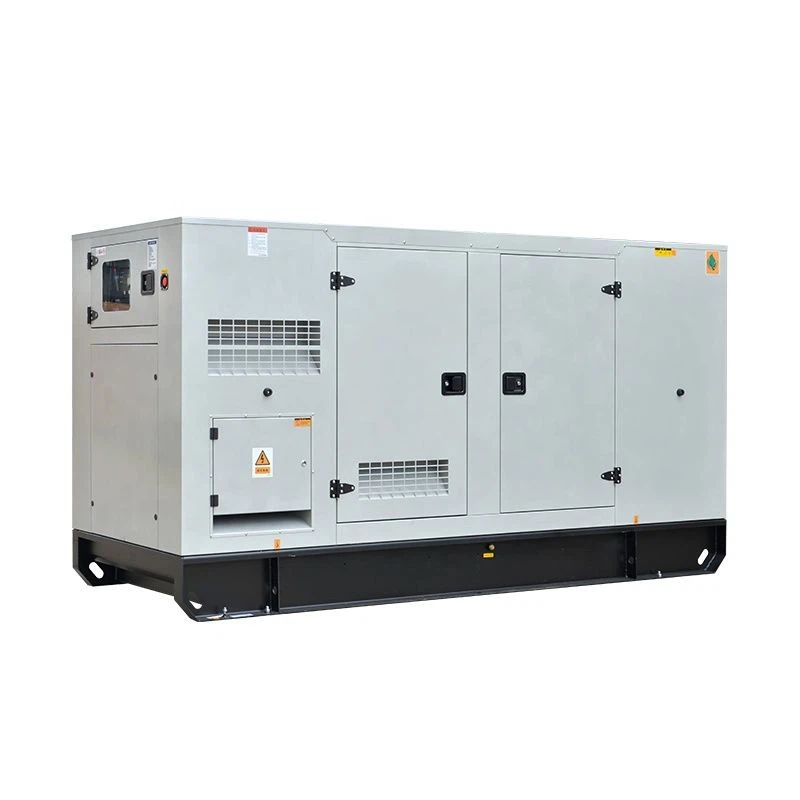

If you're in the market for a reliable Low Noise Diesel Generator, we have a wide range of options to meet your specific needs.
Case Study: 100kw Silent Diesel Generator
Our 100kw Silent Diesel Generator is a prime example of how these noise - reduction techniques are applied in a real - world product.
This generator features a robust enclosure made of high - quality acoustic materials. The double - wall construction with insulation ensures that the noise generated by the engine and other components is effectively contained. The exhaust system is equipped with a high - performance muffler and large - diameter pipes, which significantly reduce the exhaust noise.
The engine is carefully tuned and maintained to ensure smooth operation and minimal noise. The cooling fan is a variable - speed fan with aerodynamically designed blades, which provides efficient cooling while keeping the noise level to a minimum.
Conclusion
Reducing noise in diesel generators is a multi - faceted process that involves enclosure design, exhaust system modifications, engine tuning, and cooling fan optimization. By implementing these techniques, we can offer low - noise diesel generators that meet the needs of various users in different industries.
If you're interested in learning more about our low - noise diesel generators or have specific requirements for your power needs, we encourage you to contact us for a procurement discussion. Our team of experts is ready to assist you in finding the perfect generator solution for your situation.
References
- "Diesel Generator Noise Reduction Techniques" - Journal of Power Generation Technologies
- "Acoustic Design of Generator Enclosures" - International Journal of Acoustics and Vibration
- "Optimizing Exhaust Systems for Noise Reduction in Diesel Engines" - SAE International Journal of Engines


