


Hey everyone, it’s Mia, and if you’re anything like the folks I talk to every day at our portable genset supplier, you probably rely on your generator for everything from camping trips to backup power at home when the grid goes out. But let’s be real—nothing kills a weekend (or a critical power outage response) faster than a generator that won’t start when you need it most. Last month alone, I helped three customers troubleshoot a no-start issue, and every single one of them forgot to check the spark plug first. It’s such a simple step, but it’s the #1 culprit for minor genset problems. Today, I’m walking you through exactly how to check the spark plug in your portable genset—no fancy tools or mechanic degree required, just a few minutes and some common sense.
First, let’s get one thing straight: I’m not talking about the big, stationary industrial generators here. Those have different parts and whole maintenance schedules. This is for the portable ones—think the compact ones you can load in the back of a truck, the 2kW Generator Diesel we sell for tailgates or small power needs, the 3.5kVA Diesel Generator that’s perfect for home backup, or even the slightly beefier 5.5kVA Diesel Generator for job sites. All of these have spark plugs (wait, diesel? Yeah, most small portable diesels have a glow plug, but some smaller models do have a spark plug for cold starts—we’ll cover that later) and checking them is non-negotiable for upkeep.
Before you dive in, safety first. I can’t stress this enough— generators run hot, even if they’ve been off for 10 minutes. Turn the generator off, disconnect the spark plug wire (it’s that rubber boot that clips onto the top of the spark plug) to make sure it can’t accidentally crank, and let it cool down at least 15 minutes. If you skip this, you might burn your hand on the exhaust or the engine block, and that’s a terrible way to spend your weekend. Also, never do this near a flammable area—gasoline fumes are no joke, and a small spark could cause a big problem.
Now, let’s actually get the spark plug out. Most portable gensets have the spark plug located on the side of the engine, under a little plastic cover or just right there, easy to reach. Grab a spark plug socket (it’s a deep, thin socket that fits over the spark plug, usually 13/16 or 5/8 inch—if you don’t have one, a regular socket might work but could crack the porcelain, so borrow one or pick it up at a hardware store for like $3) and a ratchet. Fit the socket over the plug, turn it counterclockwise, and gently pull it out. Don’t force it—if it’s stuck, don’t yank, just wiggle it a little back and forth while turning counterclockwise. If you cross-thread it when putting it back in, that’s a whole new problem, so take it slow here.
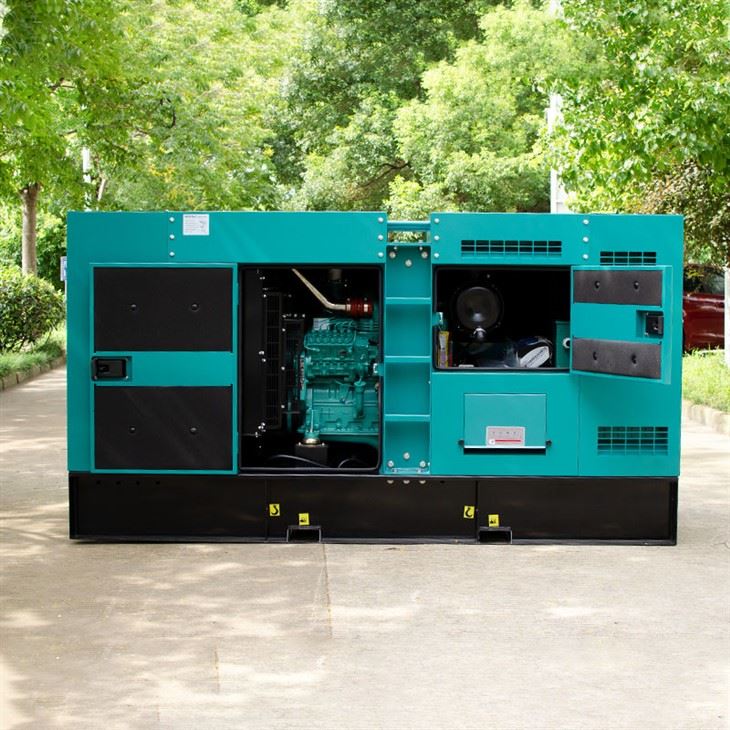

Once you have the spark plug out, it’s time to inspect it. This is where you can tell a lot about how your generator’s running, not just if it works. First, look at the metal tip (the electrode) at the end. It should be light brown or gray, kind of like a toasted marshmallow— that’s perfect, means the air/fuel mix is right and the engine’s running smoothly. If it’s black and oily, that’s a sign it’s fouled—too much fuel, not enough air, or it’s old. If it’s white and burnt, that’s way too hot, probably the fuel mix is off or the spark plug is too hot for your genset. Also, check the gap between the two electrodes—most portable gensets need a gap of 0.020 to 0.025 inches. You can buy a spark plug gap tool for a few bucks, or even use a flat feeler gauge if you have one. If the gap is too big, the spark is weak; too small, and it won’t fire right.
While you’re at it, give the spark plug a good look over with your eyes. Is the porcelain (the white part around the metal tip) cracked or chipped? If yes, toss it—even a tiny crack can cause a misfire, and that’s not worth risking. Is the electrode bent? Same thing, get a new one. And don’t forget to check the spark plug wire itself—wipe it down with a rag, make sure there’s no damage, cracks, or corrosion where it clips onto the spark plug. A bad wire is just as bad as a bad spark plug, in my experience.
Wait, earlier I mentioned diesel gensets—some people get confused here because they think diesels don’t have spark plugs at all. For most stationary big generators, that’s true, but for small portable diesel models like our 3.5kVA Diesel Generator or 2kW Generator Diesel, a lot do have a glow plug that acts like a spark plug for cold starts. The process to check a glow plug is similar—you remove it, check for cracks or damage, test it with a multimeter if you have one (it should show continuity), but if your portable diesel is giving you trouble in cold weather, checking the glow plug is step one, just like checking a spark plug on a gas model.
So what do you do after you check it? If it looks good, go ahead and re-seat it—hand tighten first, then use the ratchet to give it about a quarter turn more (don’t over-tighten, that can strip the threads or break the plug). If it’s fouled, you can try cleaning it with a wire brush (just the metal part, don’t scratch the porcelain) and re-gap it, but honestly, spark plugs are cheap—usually under $10 each—so replacing it is easier and more reliable. If it’s damaged, just swap it out for the right model. Pro tip: when you buy a new spark plug, get the exact one your genset manual recommends—don’t just grab any spark plug, because the heat range matters. Too hot or too cold, and you’ll have problems down the line.
I get it, maintenance for generators can feel like a hassle, but here’s the thing: checking your spark plug takes 10 minutes max, and it saves you from being stuck without power when you need it most. Last month, a customer brought in a 5.5kVA Diesel Generator that wouldn’t start for a camping trip, and it turned out the spark plug was fouled with old fuel from sitting in the garage for 6 months. He didn’t need to call a mechanic or buy a whole new generator—he just cleaned the plug and was on his way. That’s the kind of small win I love seeing as a supplier.
Now, let’s talk about some common mistakes people make when checking spark plugs. First, not letting the generator cool down—if you yank a spark plug right after running the generator, you can crack it because the metal expands, leading to a bad seal. Second, forcing the socket onto the plug—sparking plugs are delicate, and the porcelain is easy to break if you’re rough with it. Third, not checking the gap when you put a new plug in—even a brand new spark plug might have the wrong gap from the factory, so always double-check. Fourth, forgetting to disconnect the spark plug wire before you start—if the generator cranks while you’re working on it, you could get a shock, and that’s not fun at all.
If after checking the spark plug your generator still isn’t starting, don’t panic—there are other simple things to check. Maybe the fuel is old (ethanol in gas goes bad in 30 days, so if your generator has been sitting, drain the old fuel and put in fresh), or the air filter is dirty, or the oil is low. But 9 times out of 10, a bad spark plug is the culprit, especially if the generator has been sitting unused for a while.
Speaking of unused generators, that’s the best time to check the spark plug—before you need it. If you test your generator once every 1-2 months, run it for 10 minutes, and check the spark plug while you’re at it, you’ll catch small problems before they turn into big ones. We see a lot of customers wait until there’s a power outage or a trip and then struggle with their generator, and that’s when stress levels go through the roof. A 10-minute check now saves you hours of frustration later.
At our company, we sell a range of portable gensets for every need—whether you need a small one for camping, a mid-sized one for home backup, or even a larger one for job sites. If you’re in the market for a reliable portable generator, we have options like the efficient Most Efficient Diesel Generator that’s built to last with easy maintenance, so checking parts like the spark plug is simple. We know that generators are supposed to work when you need them, so we design all our models with user-friendly parts and clear guides, because we don’t want you to have to call us every time something small comes up.
If you have any questions about checking your spark plug, or if you’re looking to upgrade your generator, feel free to reach out to our team for a chat. We’re always here to help with maintenance tips, product questions, or anything else you need to make sure your power works when you need it. Don’t wait until your next power outage or trip to check your spark plug—grab your socket, take 10 minutes, and give your generator the quick check it deserves.
REFERENCES:
Small Engine Maintenance Guide, Portable Power Equipment Association, 2023.
Diesel Generator Spark/Glow Plug Inspection and Replacement, Weichai Power Technical Manual, 2024.
DIY Generator Maintenance Tips, Home Repair Weekly, Issue 42, 2024.
Portable Generator Safety Standards, Occupational Safety and Health Administration (OSHA), 2023.


