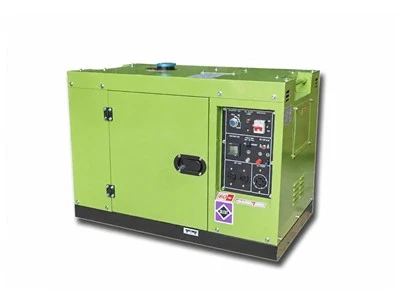
As a supplier of High Voltage Diesel Generators, I understand the importance of power factor in the efficient operation of these generators. A high power factor not only reduces energy costs but also improves the overall performance and lifespan of the generator. In this blog post, I will share some practical tips on how to improve the power factor of a high voltage diesel generator.
Understanding Power Factor
Before delving into the methods of improving power factor, it's crucial to understand what power factor is. Power factor is the ratio of real power (kW) to apparent power (kVA) in an electrical system. It is expressed as a decimal or a percentage. A power factor of 1 (or 100%) means that all the electrical power is being used effectively, while a lower power factor indicates that some power is being wasted.
In a high voltage diesel generator, a low power factor can lead to several issues, including increased energy consumption, higher electricity bills, and reduced generator efficiency. Therefore, improving the power factor is essential for both economic and operational reasons.
Factors Affecting Power Factor
Several factors can affect the power factor of a high voltage diesel generator. These include:
- Inductive Loads: Inductive loads, such as motors and transformers, consume reactive power, which can lower the power factor.
- Unbalanced Loads: Unbalanced loads can cause the generator to operate inefficiently and reduce the power factor.
- Harmonics: Harmonics are distorted electrical waveforms that can cause power factor problems and damage electrical equipment.
- Generator Size: Using a generator that is too large or too small for the load can also affect the power factor.
Methods to Improve Power Factor
Now that we understand the factors affecting power factor, let's explore some methods to improve it.
1. Use Power Factor Correction Capacitors
Power factor correction capacitors are devices that can be installed in parallel with the load to compensate for the reactive power. These capacitors store and release electrical energy, reducing the amount of reactive power drawn from the generator. By installing power factor correction capacitors, you can improve the power factor and reduce energy consumption.


For example, if you have a high voltage diesel generator supplying power to a factory with a lot of inductive loads, such as motors, you can install power factor correction capacitors near the motors. This will help to improve the power factor of the overall system.
2. Optimize Load Distribution
Balancing the load across the generator phases is crucial for maintaining a high power factor. Unbalanced loads can cause the generator to operate inefficiently and reduce the power factor. To optimize load distribution, you can:
- Use Load Management Systems: Load management systems can help you monitor and control the load on the generator. By evenly distributing the load across the phases, you can improve the power factor and reduce energy consumption.
- Avoid Overloading: Overloading the generator can also cause the power factor to drop. Make sure to size the generator correctly for the load and avoid exceeding its rated capacity.
3. Reduce Harmonics
Harmonics can cause power factor problems and damage electrical equipment. To reduce harmonics, you can:
- Use Harmonic Filters: Harmonic filters are devices that can be installed in the electrical system to remove harmonics. These filters can help to improve the power factor and protect the electrical equipment.
- Select Low-Harmonic Equipment: When purchasing electrical equipment, choose devices that have low harmonic content. This will help to reduce the amount of harmonics in the electrical system and improve the power factor.
4. Upgrade the Generator
If your high voltage diesel generator is old or inefficient, upgrading to a newer model can help to improve the power factor. Newer generators are designed to be more efficient and have better power factor characteristics.
When upgrading the generator, make sure to choose a model that is suitable for your load requirements. You can consult with a professional to determine the best generator for your needs.
Benefits of Improving Power Factor
Improving the power factor of a high voltage diesel generator offers several benefits, including:
- Reduced Energy Costs: A high power factor means that less energy is wasted, resulting in lower electricity bills.
- Improved Generator Efficiency: By improving the power factor, you can reduce the stress on the generator and improve its efficiency. This can extend the lifespan of the generator and reduce maintenance costs.
- Enhanced Power Quality: A high power factor can improve the power quality of the electrical system, reducing the risk of electrical problems and equipment damage.
Conclusion
Improving the power factor of a high voltage diesel generator is essential for efficient operation and cost savings. By understanding the factors affecting power factor and implementing the methods discussed in this blog post, you can improve the power factor of your generator and enjoy the benefits of a more efficient electrical system.
If you are interested in purchasing a High Voltage Diesel Generator, 6.6kv Diesel Genset, or 11kv Diesel Generator, please contact us to discuss your requirements. We are a leading supplier of high voltage diesel generators and can provide you with the best solutions for your needs.
References
- Electric Power Systems: Analysis and Control by Claudio A. Cañizares
- Power System Analysis and Design by J. Duncan Glover, Mulukutla S. Sarma, and Thomas J. Overbye
- Electrical Engineering Handbook by Richard C. Dorf