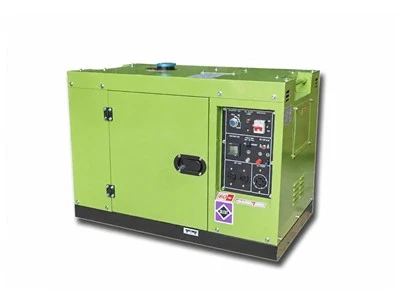
Optimizing the fuel usage of an 8kw diesel generator is crucial for both cost - effectiveness and environmental sustainability. As a supplier of 8kw diesel generators, I've witnessed firsthand the impact of efficient fuel use on our customers' operations. In this blog, I'll share some practical tips on how to get the most out of your 8kw diesel generator's fuel consumption.
1. Regular Maintenance
One of the most fundamental steps in optimizing fuel usage is regular maintenance. A well - maintained generator runs more efficiently, which directly translates to better fuel economy.


- Engine Oil: Change the engine oil at the recommended intervals. Old or dirty oil can increase friction within the engine, forcing it to work harder and consume more fuel. Use high - quality oil that meets the manufacturer's specifications. For an 8kw diesel generator, this usually means changing the oil every 100 - 200 operating hours, depending on the usage conditions.
- Air Filter: A clogged air filter restricts the airflow into the engine, leading to incomplete combustion and higher fuel consumption. Check and clean or replace the air filter regularly. In dusty environments, this may need to be done more frequently.
- Fuel Filter: The fuel filter prevents contaminants from entering the engine. A dirty fuel filter can disrupt the fuel flow, causing the engine to run inefficiently. Replace the fuel filter as per the manufacturer's guidelines.
2. Load Management
Proper load management is essential for optimizing fuel usage. An 8kw diesel generator is designed to operate most efficiently at a certain load range.
- Match the Load: Try to match the electrical load to the generator's capacity as closely as possible. Running the generator at a very low load (less than 30% of its rated capacity) can lead to poor fuel efficiency. On the other hand, overloading the generator can also cause it to consume more fuel and may even damage the engine. For example, if you only need to power a few small appliances, consider using a Small Diesel Generator Set instead.
- Staggered Loads: If you have multiple electrical devices, stagger their startup to avoid sudden spikes in the load. This helps the generator maintain a more stable load and reduces fuel consumption.
3. Fuel Quality
The quality of the diesel fuel you use can significantly affect the generator's performance and fuel efficiency.
- Use High - Quality Fuel: Always use high - quality diesel fuel from a reputable supplier. Low - quality fuel may contain impurities that can damage the engine and reduce fuel efficiency. Look for fuel with a high cetane number, which indicates better ignition quality.
- Fuel Storage: Proper fuel storage is also important. Store the fuel in a clean, sealed container to prevent contamination. Keep the fuel in a cool, dry place to avoid oxidation and the growth of microorganisms.
4. Generator Placement
The placement of the generator can impact its fuel efficiency.
- Ventilation: Ensure that the generator is placed in a well - ventilated area. Adequate ventilation helps the engine to cool properly and ensures efficient combustion. A generator that overheats will consume more fuel to maintain its performance.
- Level Surface: Place the generator on a level surface. An uneven surface can cause the fuel to slosh around in the tank, leading to inconsistent fuel flow and potentially lower fuel efficiency.
5. Monitoring and Adjustment
Regularly monitor the generator's performance and make adjustments as needed.
- Fuel Consumption Monitoring: Keep track of the generator's fuel consumption over time. This can help you identify any changes in fuel efficiency and take corrective action if necessary. You can use a fuel gauge or a fuel monitoring system to measure the fuel consumption accurately.
- Engine Tuning: Periodically have the engine tuned by a professional. A properly tuned engine will run more efficiently and consume less fuel. This may involve adjusting the fuel injection timing, the air - fuel ratio, and other engine parameters.
6. Upgrade to a More Efficient Model
If your current 8kw diesel generator is old and inefficient, consider upgrading to a more modern and fuel - efficient model. Newer generators are often designed with advanced technologies that can significantly reduce fuel consumption. For example, some generators feature electronic fuel injection systems that provide more precise control over the fuel delivery, resulting in better fuel efficiency. You can explore our Portable Diesel Generator Set or 5kw Diesel Generator Set options for more fuel - efficient alternatives.
Conclusion
Optimizing the fuel usage of an 8kw diesel generator requires a combination of regular maintenance, proper load management, high - quality fuel, and careful monitoring. By following these tips, you can not only save on fuel costs but also reduce the environmental impact of your generator.
As a supplier of 8kw diesel generators, we are committed to helping our customers get the most out of their generators. If you have any questions about optimizing fuel usage or are interested in purchasing a new generator, we encourage you to contact us for a detailed discussion. Our team of experts is ready to assist you in finding the best solution for your needs.
References
- Diesel Generator Maintenance Manuals from major manufacturers
- Industry reports on diesel generator efficiency
- Research papers on fuel optimization in diesel engines