Hey there! As a supplier of household diesel generators, I often get asked if it's difficult to install one. Well, let's dive right into it and break down the process to see how tricky it really is.
First off, let's talk about what a household diesel generator is. It's a device that provides electrical power during outages or in areas where there's no access to the main power grid. Diesel generators are popular because they're reliable, efficient, and can run for long periods.


When it comes to the installation process, there are a few factors that can make it either easy or difficult. One of the main things to consider is the size of the generator. For smaller generators, like the 20kw Diesel Power Generator, the installation is usually a bit more straightforward. These generators are relatively compact and can often be installed by a handy homeowner with some basic electrical knowledge.
You'll need to start by finding a suitable location for the generator. It should be placed in a well - ventilated area, away from any flammable materials and at a safe distance from the house. This is crucial because diesel generators produce exhaust fumes that can be harmful if inhaled. You also want to make sure the area is level to prevent any vibrations from causing problems.
Next, you'll have to connect the generator to the electrical system of your home. This involves some wiring work. If you're not comfortable doing this yourself, it's best to hire a professional electrician. They'll know how to properly connect the generator to your home's electrical panel, ensuring that it's safe and compliant with local electrical codes.
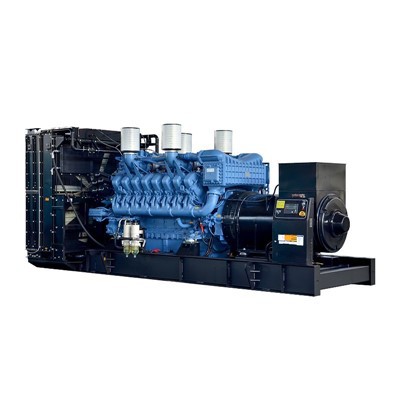
For larger generators, such as the 1000kw Diesel Generator Set or the 80kw Diesel Generator Set, the installation is more complex. These generators require a more substantial foundation to support their weight. You might need to pour a concrete pad to ensure stability.
The electrical connections for larger generators are also more involved. They often require a transfer switch, which is a device that allows you to safely switch between the main power grid and the generator. Installing a transfer switch is a job for a professional electrician, as it involves working with high - voltage electrical systems.
Another aspect to consider is the fuel supply. Diesel generators need a constant supply of diesel fuel. You'll have to decide whether to use a portable fuel tank or install a permanent fuel storage tank. A portable tank is more flexible but might need to be refilled more often. A permanent tank, on the other hand, can hold a larger amount of fuel but requires more installation work.
Now, let's talk about the tools you'll need for the installation. For smaller generators, you might only need basic hand tools like wrenches, screwdrivers, and pliers. But for larger generators, you might need more specialized equipment, such as a crane to lift the generator into place.
In addition to the physical installation, there are also some legal and regulatory requirements to keep in mind. You'll need to check with your local authorities to see if you need any permits for installing a diesel generator. Some areas have strict regulations regarding noise levels, emissions, and safety standards.
Overall, while it's not impossible for a homeowner to install a smaller household diesel generator on their own, it's often a good idea to seek professional help, especially for larger generators. Professional installers have the experience and knowledge to ensure that the installation is done correctly and safely.
If you're thinking about purchasing a household diesel generator, I'm here to help. Whether you need a small 20kw generator for occasional use or a large 1000kw generator for a big household or business, we've got you covered. Our team can provide you with all the information you need about the installation process, as well as the different models available.
Don't hesitate to reach out if you have any questions or if you're ready to start the purchasing process. We're here to make sure you get the right generator for your needs and that it's installed properly.
References:
- General knowledge of diesel generator installation from industry experience.
- Electrical safety standards and regulations from local authorities.