


As a supplier of Marine Diesel Generator Sets, I often receive inquiries about the emission standards for these crucial pieces of equipment. Understanding these standards is not only essential for compliance but also for the long - term sustainability of the marine industry. In this blog, I will delve into the emission standards that Marine Diesel Generator Sets must adhere to.
International Maritime Organization (IMO) Regulations
The International Maritime Organization (IMO) is the United Nations specialized agency responsible for regulating shipping. IMO has set strict emission standards for marine engines, including diesel generators on ships.
Tier I, Tier II, and Tier III
IMO's emission standards are divided into three tiers. Tier I standards were introduced in 2000 and set relatively basic limits on nitrogen oxides (NOx), sulfur oxides (SOx), and particulate matter (PM) emissions. These standards were a starting point to address the environmental impact of marine engines.

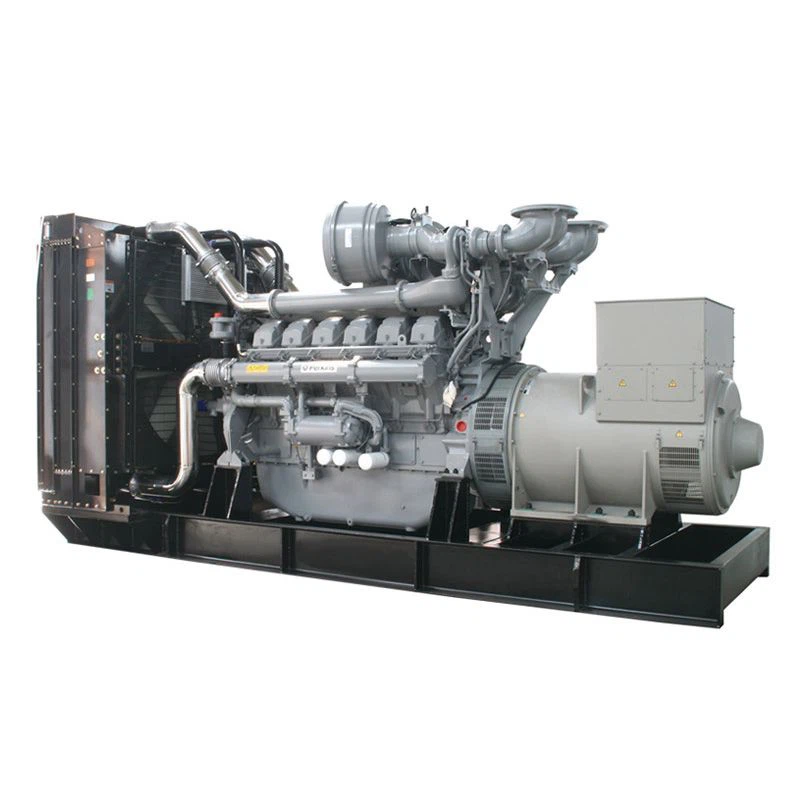
Tier II standards, which came into effect in 2011, tightened the NOx emission limits compared to Tier I. This was a significant step forward in reducing the environmental footprint of marine diesel engines. The reduction in NOx emissions helps to mitigate the formation of smog and acid rain, which can have detrimental effects on both human health and the environment.
Tier III standards represent the most stringent requirements. They were introduced in Emission Control Areas (ECAs) starting from 2016. In these areas, which include the Baltic Sea, North Sea, and North American coasts, the NOx emission limits are much lower than in Tier II. To comply with Tier III standards, many Marine Diesel Generator Sets need to be equipped with advanced exhaust gas treatment systems, such as Selective Catalytic Reduction (SCR) units.
Sulfur Oxide (SOx) Limits
IMO has also set strict limits on SOx emissions. The global sulfur cap for marine fuels was reduced from 3.5% to 0.5% in 2020. This significant reduction helps to reduce the formation of acid rain and other environmental problems associated with SOx emissions. Ships can comply with these limits by using low - sulfur fuels, installing exhaust gas cleaning systems (scrubbers), or using alternative fuels such as liquefied natural gas (LNG).
Regional and National Regulations
In addition to IMO regulations, many countries and regions have their own emission standards for Marine Diesel Generator Sets.
European Union (EU)
The EU has its own set of regulations regarding marine emissions. These regulations are often more stringent than the global IMO standards. For example, the EU has set strict limits on PM emissions and has also introduced measures to reduce greenhouse gas emissions from ships. Ships operating in EU waters must comply with these regulations, which can have a significant impact on the design and operation of Marine Diesel Generator Sets.
United States
The United States has its own emission standards for marine engines, especially in areas such as the California coast. The California Air Resources Board (CARB) has set strict limits on NOx and PM emissions for marine diesel engines. These standards are designed to protect the air quality in California and other coastal areas. Ships calling at US ports need to ensure that their Marine Diesel Generator Sets meet these standards.
Impact on Marine Diesel Generator Sets
The emission standards have a profound impact on the design, manufacturing, and operation of Marine Diesel Generator Sets.
Design and Manufacturing
To meet the strict emission standards, manufacturers need to invest in research and development to develop more efficient and environmentally friendly engines. This may involve the use of advanced combustion technologies, such as high - pressure fuel injection systems, to reduce NOx emissions. Additionally, the integration of exhaust gas treatment systems, such as SCR units and particulate filters, has become a common practice in the manufacturing of Marine Diesel Generator Sets.
Operation and Maintenance
Ship operators also need to pay close attention to the operation and maintenance of their Marine Diesel Generator Sets to ensure compliance with the emission standards. This includes regular maintenance of the engines and exhaust gas treatment systems, as well as the use of high - quality fuels. Failure to comply with the emission standards can result in significant fines and penalties.
Our Offerings
As a supplier of Marine Diesel Generator Sets, we are committed to providing products that meet or exceed the latest emission standards. We offer a wide range of Marine Diesel Generator Set to meet the diverse needs of our customers.
Our Prime Power Diesel Generator is designed to provide reliable and continuous power for ships. It is equipped with advanced technologies to ensure low emissions and high efficiency. Our Open Type Diesel Generator is a cost - effective solution for ships that require a simple and easy - to - maintain power source.
Conclusion
The emission standards for Marine Diesel Generator Sets are becoming increasingly strict, driven by the need to protect the environment and reduce the impact of shipping on the planet. As a supplier, we understand the importance of these standards and are dedicated to providing products that meet the highest environmental requirements.
If you are in the market for a Marine Diesel Generator Set, we invite you to contact us for a detailed discussion about your needs. Our team of experts is ready to assist you in selecting the right generator set that meets your power requirements and complies with the relevant emission standards.
References
- International Maritime Organization (IMO). "MARPOL Annex VI - Prevention of Air Pollution from Ships."
- European Union. "Directives and Regulations on Marine Emissions."
- United States Environmental Protection Agency (EPA). "Marine Engine Emission Standards."
- California Air Resources Board (CARB). "Marine Diesel Engine Emission Standards."


