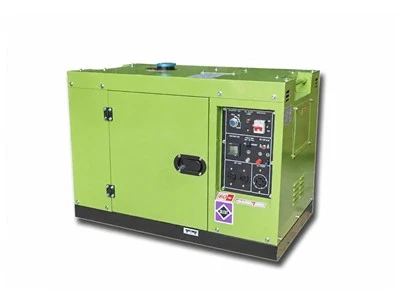
Ventilation is a critical aspect of maintaining a safe and efficient environment in a mining diesel generator room. As a supplier of Mining Diesel Generator, I understand the importance of proper ventilation for the reliable operation of these essential power sources in mining applications. In this blog post, I will discuss the ventilation requirements for a mining diesel generator room, including the factors to consider, the standards and regulations, and the best practices for ensuring adequate ventilation.
Factors Affecting Ventilation Requirements
Several factors influence the ventilation requirements for a mining diesel generator room. These factors include the size and capacity of the generator, the type of fuel used, the ambient temperature and humidity, the location of the generator room, and the presence of other equipment or heat sources in the room.
- Generator Size and Capacity: Larger generators produce more heat and exhaust gases, requiring a higher volume of ventilation air to maintain safe operating temperatures and remove pollutants. The ventilation system must be designed to handle the heat load generated by the generator, which is typically measured in kilowatts (kW).
- Fuel Type: Different types of fuel, such as diesel, natural gas, or propane, produce different amounts of exhaust gases and heat. Diesel generators, in particular, emit significant amounts of carbon monoxide (CO), nitrogen oxides (NOx), and particulate matter (PM), which can be harmful to human health and the environment. The ventilation system must be designed to effectively remove these pollutants from the generator room.
- Ambient Temperature and Humidity: High ambient temperatures and humidity can reduce the efficiency of the generator and increase the risk of overheating. The ventilation system must be designed to provide sufficient airflow to maintain a comfortable operating temperature and humidity level in the generator room.
- Location of the Generator Room: The location of the generator room can also affect the ventilation requirements. If the generator room is located in a confined space or underground, it may require additional ventilation to ensure adequate air circulation. Additionally, the ventilation system must be designed to prevent the ingress of dust, dirt, and other contaminants from the surrounding environment.
- Presence of Other Equipment or Heat Sources: Other equipment or heat sources in the generator room, such as transformers, batteries, or control panels, can also generate heat and exhaust gases. The ventilation system must be designed to handle the combined heat load of all the equipment in the room and remove any pollutants generated by these sources.
Standards and Regulations
In addition to the factors mentioned above, the ventilation requirements for a mining diesel generator room are also regulated by various standards and regulations. These standards and regulations are designed to ensure the safety and health of workers, protect the environment, and prevent the risk of fire and explosion.
- National Fire Protection Association (NFPA): The NFPA publishes several standards related to the installation and operation of diesel generators, including NFPA 110, Standard for Emergency and Standby Power Systems, and NFPA 37, Standard for the Installation and Use of Stationary Combustion Engines and Gas Turbines. These standards provide guidelines for the ventilation requirements of generator rooms, including the minimum airflow rates, the location and size of ventilation openings, and the use of exhaust systems.
- Occupational Safety and Health Administration (OSHA): OSHA regulates the safety and health of workers in the mining industry, including the ventilation requirements for mining diesel generator rooms. OSHA standards require employers to provide a safe and healthy work environment for their employees, including adequate ventilation to prevent the accumulation of harmful gases and pollutants.
- Mine Safety and Health Administration (MSHA): MSHA is responsible for enforcing safety and health regulations in the mining industry, including the ventilation requirements for mining diesel generator rooms. MSHA standards require mine operators to provide adequate ventilation to prevent the accumulation of harmful gases and pollutants in the mine, including the generator room.
Best Practices for Ensuring Adequate Ventilation
To ensure adequate ventilation in a mining diesel generator room, it is important to follow best practices for the design, installation, and maintenance of the ventilation system. These best practices include:


- Conduct a Ventilation Study: Before designing the ventilation system for a mining diesel generator room, it is important to conduct a ventilation study to determine the specific ventilation requirements based on the factors mentioned above. The ventilation study should include a detailed analysis of the heat load, the exhaust gas emissions, the ambient temperature and humidity, and the location of the generator room.
- Design the Ventilation System: Based on the results of the ventilation study, the ventilation system should be designed to provide sufficient airflow to maintain a safe and comfortable operating environment in the generator room. The ventilation system should include intake and exhaust vents, ductwork, fans, and filters to ensure proper air circulation and the removal of pollutants.
- Install the Ventilation System: The ventilation system should be installed by a qualified professional in accordance with the manufacturer's instructions and the relevant standards and regulations. The installation should include proper sealing of the ductwork, the installation of fans and filters, and the connection of the exhaust system to the outside environment.
- Maintain the Ventilation System: Regular maintenance of the ventilation system is essential to ensure its continued operation and effectiveness. The maintenance schedule should include regular inspections, cleaning, and replacement of filters, fans, and other components as needed. Additionally, the ventilation system should be tested periodically to ensure that it is providing the required airflow and removing pollutants effectively.
Conclusion
Proper ventilation is essential for the safe and efficient operation of a mining diesel generator room. As a supplier of Mining Diesel Generator, I understand the importance of providing our customers with high-quality ventilation solutions that meet their specific needs and requirements. By following the best practices outlined in this blog post and complying with the relevant standards and regulations, you can ensure that your mining diesel generator room is properly ventilated and provides a safe and healthy work environment for your employees.
If you are interested in learning more about our Mining Diesel Generator products or our ventilation solutions, please contact us today to schedule a consultation with one of our experts. We look forward to working with you to meet your power generation needs in the mining industry.
References
- National Fire Protection Association (NFPA). (2019). NFPA 110, Standard for Emergency and Standby Power Systems.
- National Fire Protection Association (NFPA). (2018). NFPA 37, Standard for the Installation and Use of Stationary Combustion Engines and Gas Turbines.
- Occupational Safety and Health Administration (OSHA). (2012). 29 CFR 1910.157, Portable Fire Extinguishers.
- Mine Safety and Health Administration (MSHA). (2019). 30 CFR Part 75, Safety Standards for Coal Mines.