


Hey there! As a top - notch genset supplier, I've seen it all when it comes to genset cooling systems. In this blog, I'll spill the beans on what I think is the best genset cooling system.
First off, let's understand why a good cooling system is so crucial for a genset. When a genset is running, it generates a massive amount of heat. If this heat isn't properly managed, it can cause all sorts of problems. The engine might overheat, leading to reduced efficiency, premature wear and tear, and in the worst - case scenario, a complete breakdown. A reliable cooling system ensures that the genset runs smoothly at its optimal temperature, which in turn extends its lifespan and keeps the power output consistent.
There are mainly two types of genset cooling systems: air - cooled and liquid - cooled.
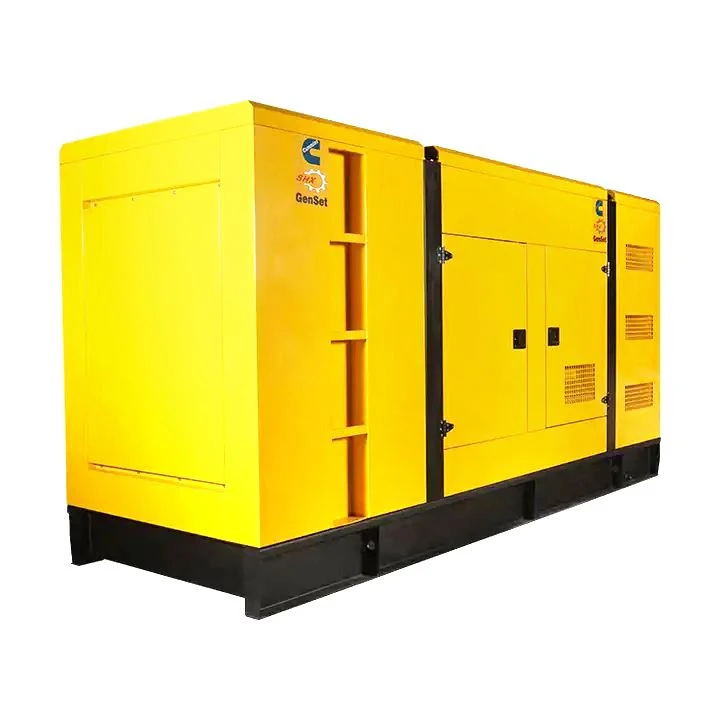

Let's start with air - cooled systems. These are pretty straightforward and simple. They use a fan to blow air over the engine's fins, which helps dissipate the heat. One of the biggest advantages of air - cooled systems is their simplicity. There are fewer parts involved, which means less maintenance and a lower chance of something going wrong. They're also generally more affordable upfront. If you have a small - scale genset, like the ones used in residential settings or for light - duty commercial use, air - cooled systems can be a great choice. For example, the 250KW Electric Start Genset might come with an air - cooled system that's easy to operate and maintain.
However, air - cooled systems do have some limitations. They aren't as effective at cooling as liquid - cooled systems, especially in high - load or high - temperature environments. The cooling capacity of air is limited, so if the genset is working hard for an extended period, it might struggle to keep the temperature in check. Also, air - cooled systems can be noisier because of the fan operation.
Now, let's talk about liquid - cooled systems. These systems use a coolant (usually a mixture of water and antifreeze) to absorb the heat from the engine. The heated coolant then flows through a radiator, where the heat is transferred to the air. Liquid - cooled systems offer much better cooling efficiency compared to air - cooled ones. They can handle high - load applications with ease, making them ideal for large - scale commercial and industrial gensets.
One of the key benefits of liquid - cooled systems is their ability to maintain a more constant temperature. This is really important because stable operating temperatures help the engine perform at its best. For instance, in a 500KW Weichai Engine Generator With CE, a liquid - cooled system ensures that the powerful engine runs smoothly under heavy loads.
Liquid - cooled systems also run quieter. Since there's no large fan constantly running, the noise level is significantly reduced. This is a big plus, especially in noise - sensitive areas like hospitals or residential neighborhoods.
But liquid - cooled systems aren't without their drawbacks. They're more complex and have more components. This means that the initial cost is higher, and there's a greater chance of something breaking down. Maintenance is also a bit more involved. You need to regularly check the coolant level, monitor for leaks, and ensure the radiator is clean and functioning properly.
So, which one is the best genset cooling system? Well, it depends on your specific needs.
If you're looking for a simple, cost - effective solution for a small genset that won't be under heavy load most of the time, an air - cooled system is probably your best bet. It's easy to install, requires minimal maintenance, and can get the job done for lighter applications.
On the other hand, if you need a genset for a large - scale operation, such as a factory or a data center, where continuous high - power output is required, a liquid - cooled system is the way to go. It offers superior cooling performance, better temperature control, and a quieter operation, even though it comes with a higher price tag and more complex maintenance.
For example, the 300KW CE Standard Generator Set can be equipped with either an air - cooled or a liquid - cooled system depending on the customer's requirements. If it's going to be used in a small workshop with intermittent power needs, an air - cooled system might suffice. But if it's for a 24/7 operation in a hot climate, a liquid - cooled system would be a better choice.
The 550KW Genset Powered By Weichai and 1100KW Baudouin Generator are heavy - duty machines that typically require the efficiency of a liquid - cooled system. These large gensets generate a huge amount of heat, and only a liquid - cooled system can manage the temperature effectively to keep them running reliably.
In conclusion, there's no one - size - fits - all answer to what the best genset cooling system is. It all boils down to the size of the genset, the operating conditions, and your budget. As a genset supplier, I've helped many customers make the right choice for their needs. If you're in the market for a genset and are unsure which cooling system is best for you, don't hesitate to reach out. We can discuss your specific requirements and help you find the perfect genset with the ideal cooling system. Whether it's a small air - cooled genset for home use or a large liquid - cooled industrial powerhouse, we've got you covered.
So, if you're thinking about purchasing a genset, just drop us a line for a detailed consultation and let's get the ball rolling on finding the best solution for your power needs.
References
- "Generator Handbook" - A comprehensive guide on generators and their systems.
- Manufacturer's specifications and manuals for various genset models.


