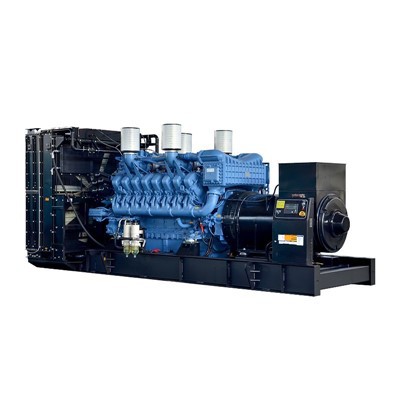
Hey there! As a supplier of 6.6kv Diesel Gensets, I'm stoked to share some insights about the cooling system of these bad - boys. You see, a 6.6kv Diesel Genset is a powerful piece of machinery, and like any high - performance equipment, it needs a proper cooling system to keep it running smoothly.


Why Cooling is Crucial
First off, let's talk about why cooling is so important. When a diesel genset is in operation, the engine generates a ton of heat. If this heat isn't managed properly, it can lead to all sorts of problems. The engine components can overheat, which might cause them to expand beyond their normal tolerances. This can result in things like warped cylinders, damaged pistons, and even engine failure.
Moreover, excessive heat can also reduce the efficiency of the genset. When the engine is too hot, the combustion process isn't as efficient, which means you're burning more fuel to get the same amount of power. So, a good cooling system is not just about preventing damage; it's also about making the genset run more efficiently.
Types of Cooling Systems in 6.6kv Diesel Gensets
There are mainly two types of cooling systems used in 6.6kv Diesel Gensets: air - cooled and water - cooled.
Air - Cooled Systems
Air - cooled systems are relatively simple. They work by using a fan to blow air over the engine's cylinder fins. These fins are designed to increase the surface area of the engine, allowing heat to dissipate more quickly. The fan draws in outside air and forces it across the fins, carrying away the heat.
One of the big advantages of air - cooled systems is their simplicity. There are fewer components compared to water - cooled systems, which means there's less that can go wrong. They're also more lightweight and compact, which can be a plus if you're short on space.
However, air - cooled systems have their limitations. They're not as effective at cooling as water - cooled systems, especially in high - temperature environments. The cooling capacity of an air - cooled system is also limited by the size of the fan and the amount of air it can move. So, for larger 6.6kv Diesel Gensets, air - cooled systems might not be the best choice.
Water - Cooled Systems
Water - cooled systems are more common in 6.6kv Diesel Gensets. They use a coolant (usually a mixture of water and antifreeze) to absorb the heat from the engine. The coolant circulates through the engine block, picking up heat as it goes. Then, it flows to a radiator, where the heat is transferred to the air.
A water - cooled system consists of several key components. There's the water pump, which is responsible for circulating the coolant through the engine. The radiator is a heat exchanger that cools the hot coolant by transferring its heat to the air. There are also hoses to carry the coolant between the engine and the radiator, and a thermostat to regulate the temperature of the coolant.
The main advantage of water - cooled systems is their superior cooling capacity. They can handle the high heat loads generated by large 6.6kv Diesel Gensets much better than air - cooled systems. They're also more efficient at maintaining a consistent engine temperature, which helps to improve the overall performance and longevity of the genset.
Components of a Water - Cooled System
Let's take a closer look at the components of a water - cooled system in a 6.6kv Diesel Genset.
Water Pump
The water pump is the heart of the cooling system. It's usually driven by the engine's crankshaft through a belt or a gear. The pump creates pressure to circulate the coolant through the engine. If the water pump fails, the coolant won't flow properly, and the engine will overheat.
Radiator
The radiator is where the magic happens. It's a large heat exchanger with a series of tubes and fins. The hot coolant flows through the tubes, and air is blown over the fins by a fan. This process transfers the heat from the coolant to the air, cooling the coolant down.
Thermostat
The thermostat is like a traffic cop for the coolant. It regulates the flow of coolant based on the engine's temperature. When the engine is cold, the thermostat closes, preventing the coolant from flowing to the radiator. This allows the engine to warm up quickly. Once the engine reaches the optimal operating temperature, the thermostat opens, allowing the coolant to flow to the radiator for cooling.
Hoses
The hoses are the pipes that carry the coolant between the engine, the radiator, and other components. They need to be made of a flexible and heat - resistant material to withstand the high temperatures and pressures in the cooling system.
Maintenance of the Cooling System
Proper maintenance of the cooling system is essential for the reliable operation of a 6.6kv Diesel Genset. Here are some tips:
- Check the coolant level regularly: Make sure the coolant level is between the minimum and maximum marks on the coolant reservoir. If the level is low, add the appropriate coolant mixture.
- Inspect the hoses and connections: Look for any signs of leaks, cracks, or loose connections. Replace any damaged hoses or fittings.
- Clean the radiator: Over time, the radiator can get clogged with dirt, debris, and bugs. Use a soft brush or compressed air to clean the fins and remove any obstructions.
- Replace the coolant: Coolant has a limited lifespan, so it's important to replace it according to the manufacturer's recommendations. This helps to prevent corrosion and maintain the cooling system's efficiency.
Conclusion
In conclusion, the cooling system of a 6.6kv Diesel Genset is a critical component that plays a vital role in its performance and reliability. Whether it's an air - cooled or water - cooled system, understanding how it works and keeping it well - maintained is key to getting the most out of your genset.
If you're in the market for a 6.6kv Diesel Genset, or if you have any questions about the cooling system or other aspects of these gensets, don't hesitate to reach out. We're here to help you make the right choice. And if you're interested in other high - voltage diesel generators, you can check out our Mining Diesel Generator, 11kv Diesel Generator, or High Voltage Diesel Generator pages.
Let's start a conversation about your power needs and see how we can provide you with the best solution.
References
- Diesel Generator Handbook, various editions
- Manufacturer's manuals for 6.6kv Diesel Gensets