What is the difference between a marine Prime Power Diesel Generator and a land - based one?
As a supplier of Prime Power Diesel Generators, I've had the privilege of working with a wide range of clients, from those in the maritime industry to those on land. One of the most common questions I get asked is about the differences between marine prime power diesel generators and land - based ones. In this blog, I'll delve into the key disparities, which are crucial for anyone looking to make an informed decision when purchasing a generator.
Design and Construction
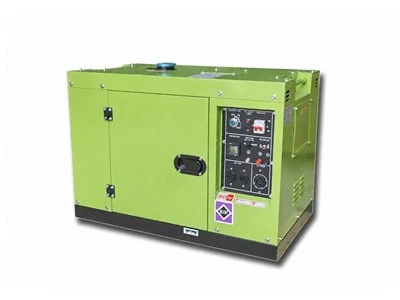
The first significant difference lies in the design and construction of the generators. Land - based prime power diesel generators are typically designed for use in relatively stable environments. They are often housed in enclosures that protect them from dust, debris, and the elements. These enclosures can be customized according to the specific needs of the location, such as soundproofing for noise - sensitive areas.
On the other hand, marine diesel generators must be built to withstand the harsh conditions of the marine environment. They are exposed to saltwater, high humidity, and constant vibrations due to the movement of the vessel. The materials used in marine generators are corrosion - resistant, usually made of stainless steel or coated with anti - corrosion paints. The enclosures are also designed to be watertight to prevent water ingress, which could damage the generator components.
For example, a Open Type Diesel Generator on land might have a simple open - frame design, suitable for well - ventilated areas. However, a marine generator needs a more robust and sealed design to ensure its longevity in the marine environment.
Cooling Systems
Cooling is another area where the two types of generators differ significantly. Land - based generators often use air - cooling systems, which are relatively simple and cost - effective. Air - cooled generators draw in ambient air to cool the engine and other components. This system is suitable for generators with lower power outputs and in areas where water is not readily available.
Marine generators, however, rely on water - cooling systems. The seawater around the vessel is used as a coolant. This is because water has a higher heat - transfer capacity than air, making it more efficient for cooling high - power generators. The water - cooling system in a marine generator consists of a heat exchanger, which transfers the heat from the engine coolant to the seawater. This system requires regular maintenance to prevent blockages and corrosion caused by the salt in the seawater.
Power Output and Load Requirements
The power output and load requirements of marine and land - based generators also vary. Land - based prime power diesel generators are designed to meet the power needs of various industries, such as manufacturing plants, data centers, and commercial buildings. These generators can range from a few kilowatts to several megawatts, depending on the size of the facility.
Marine generators, while also available in a range of power outputs, are typically sized according to the specific needs of the vessel. Smaller boats may only require a generator with a power output of a few kilowatts to run basic electrical systems, such as lights and navigation equipment. Larger vessels, such as cruise ships or cargo ships, may need generators with power outputs in the megawatt range to power everything from propulsion systems to onboard amenities.
The load requirements on a marine generator are also more dynamic. The power demand on a vessel can change rapidly depending on factors such as the speed of the ship, the operation of onboard equipment, and the environmental conditions. Land - based generators, on the other hand, usually have a more stable load profile, as the power demand in a building or industrial facility is relatively consistent.
Fuel System
The fuel system is another area of difference between marine and land - based generators. Land - based generators typically use diesel fuel, which is readily available at fuel stations. The fuel storage tanks for land - based generators are usually located on - site and can be refilled as needed.
Marine generators also use diesel fuel, but the fuel storage and delivery systems are more complex. Vessels need to carry a sufficient amount of fuel for their entire journey, which means larger fuel tanks are required. These tanks must be designed to prevent fuel leakage and to withstand the movement of the vessel. Additionally, marine fuel systems often include filters and water separators to remove impurities from the fuel, as the quality of fuel available at different ports can vary.
Safety and Regulatory Requirements
Safety and regulatory requirements are much stricter for marine generators compared to land - based ones. Marine generators must comply with international maritime regulations, such as those set by the International Maritime Organization (IMO). These regulations cover aspects such as fire safety, electrical safety, and emissions control.
For example, marine generators are required to have fire - suppression systems in place to prevent fires from spreading in the engine room. They also need to meet strict emissions standards to reduce the environmental impact of the vessel. Land - based generators, while also subject to safety and environmental regulations, have different requirements that are more tailored to the specific location and industry.
Maintenance and Service
Maintenance and service are crucial for the reliable operation of both marine and land - based generators. However, the maintenance requirements for marine generators are more demanding. The harsh marine environment can cause wear and tear on the generator components at a faster rate than in a land - based setting.
Marine generators require regular inspections of the cooling system, fuel system, and electrical components to ensure they are in good working condition. The corrosion - resistant coatings on the generator need to be maintained to prevent rust and damage. Land - based generators, while also requiring regular maintenance, may not need as frequent inspections due to the more stable environment.


Cost
The cost of marine and land - based generators can also vary significantly. Marine generators are generally more expensive due to their specialized design, construction, and compliance with strict regulations. The cost of materials, such as corrosion - resistant metals and high - quality components, adds to the overall price.
Land - based generators, on the other hand, can be more cost - effective, especially for smaller power outputs. The simpler design and construction of land - based generators make them more affordable for many applications.
In conclusion, while both marine and land - based prime power diesel generators serve the purpose of providing reliable power, they have distinct differences in design, construction, cooling systems, power output, fuel systems, safety requirements, maintenance, and cost. Understanding these differences is essential for anyone in the market for a prime power diesel generator.
If you're considering purchasing a prime power diesel generator, whether for marine or land - based use, I encourage you to reach out to our team. We have a wide range of Standby Diesel Generator Set and Marine Diesel Generator Set options to meet your specific needs. Our experts can provide you with detailed information and guidance to help you make the right choice. Contact us today to start the procurement process and ensure you get the best generator for your requirements.
References
- International Maritime Organization (IMO) regulations on marine equipment.
- Industry standards for land - based diesel generators.
- Manufacturer's specifications for prime power diesel generators.