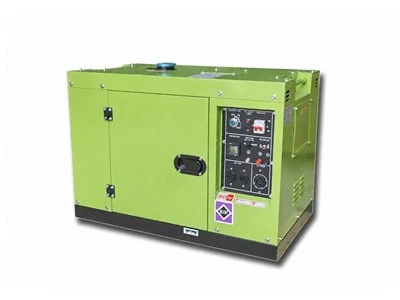
The exhaust system of an open-type diesel generator is a crucial component that plays a significant role in the overall performance, safety, and environmental impact of the generator. As a leading supplier of open-type diesel generators, we understand the importance of a well-designed and efficient exhaust system. In this blog post, we will delve into the details of what the exhaust system of an open-type diesel generator is, its components, functions, and the key considerations when it comes to its design and maintenance.
Components of the Exhaust System
The exhaust system of an open-type diesel generator typically consists of several key components, each with its own specific function. These components work together to ensure the proper flow of exhaust gases from the engine to the atmosphere, while also minimizing noise and reducing harmful emissions.
Exhaust Manifold
The exhaust manifold is the first component in the exhaust system. It is connected directly to the engine's cylinders and collects the exhaust gases produced during the combustion process. The exhaust manifold is designed to efficiently channel the exhaust gases from the cylinders to the rest of the exhaust system. It is usually made of cast iron or stainless steel to withstand the high temperatures and pressures generated by the engine.
Exhaust Pipe
The exhaust pipe is a long, tubular structure that connects the exhaust manifold to the muffler or other exhaust treatment devices. It is responsible for carrying the exhaust gases from the engine to the end of the exhaust system. The exhaust pipe is typically made of steel or stainless steel and is designed to be resistant to corrosion and high temperatures. The diameter and length of the exhaust pipe can vary depending on the size and power output of the generator.
Muffler
The muffler, also known as a silencer, is an important component of the exhaust system that is designed to reduce the noise produced by the engine. It works by using a series of chambers and baffles to absorb and dissipate the sound energy of the exhaust gases. The muffler can significantly reduce the noise level of the generator, making it more suitable for use in residential or noise-sensitive areas. There are different types of mufflers available, including straight-through mufflers, chambered mufflers, and reactive mufflers, each with its own advantages and disadvantages.
Catalytic Converter
In some open-type diesel generators, a catalytic converter may be installed in the exhaust system to reduce harmful emissions. A catalytic converter is a device that uses a catalyst to convert harmful pollutants in the exhaust gases, such as carbon monoxide, hydrocarbons, and nitrogen oxides, into less harmful substances, such as carbon dioxide, water, and nitrogen. The catalytic converter can help the generator meet environmental regulations and reduce its impact on the environment.
Exhaust Stack
The exhaust stack is the final component of the exhaust system. It is a vertical pipe that extends above the generator and releases the exhaust gases into the atmosphere. The exhaust stack is designed to ensure that the exhaust gases are dispersed safely and effectively, away from the generator and any nearby structures or people. The height and diameter of the exhaust stack can vary depending on the size and power output of the generator, as well as local regulations.
Functions of the Exhaust System
The exhaust system of an open-type diesel generator serves several important functions, including:
Removing Exhaust Gases
The primary function of the exhaust system is to remove the exhaust gases produced by the engine during the combustion process. These exhaust gases contain a variety of pollutants, including carbon monoxide, hydrocarbons, nitrogen oxides, and particulate matter. By removing these exhaust gases from the engine, the exhaust system helps to ensure the proper operation of the engine and prevent the buildup of harmful pollutants in the generator's enclosure.
Reducing Noise
As mentioned earlier, the muffler in the exhaust system is designed to reduce the noise produced by the engine. The exhaust gases produced by the engine can create a significant amount of noise as they are expelled from the cylinders. The muffler helps to absorb and dissipate this sound energy, reducing the noise level of the generator and making it more comfortable to operate.
Controlling Emissions
In addition to reducing noise, the exhaust system also plays a role in controlling emissions. The catalytic converter, if installed, can help to reduce the levels of harmful pollutants in the exhaust gases, making the generator more environmentally friendly. By meeting environmental regulations, the generator can be used in a wider range of applications and locations.
Protecting the Generator
The exhaust system also helps to protect the generator from damage. The high temperatures and pressures generated by the engine can cause damage to the exhaust system if it is not properly designed and maintained. The exhaust system is designed to withstand these conditions and prevent the exhaust gases from leaking into the generator's enclosure, which could cause damage to the engine and other components.
Key Considerations in Exhaust System Design and Maintenance
When designing and maintaining the exhaust system of an open-type diesel generator, there are several key considerations that need to be taken into account. These considerations include:
Size and Capacity
The size and capacity of the exhaust system should be carefully selected based on the size and power output of the generator. A properly sized exhaust system will ensure that the exhaust gases are efficiently removed from the engine and that the generator operates at its optimal performance. If the exhaust system is too small, it can cause backpressure, which can reduce the engine's power output and increase fuel consumption. On the other hand, if the exhaust system is too large, it can increase the cost and weight of the generator.
Noise Reduction
As mentioned earlier, noise reduction is an important consideration in the design of the exhaust system. The muffler should be selected based on the noise level requirements of the application. In some cases, additional noise reduction measures, such as sound insulation, may be required to meet the noise level standards.


Emission Control
Emission control is another important consideration in the design of the exhaust system. The generator should be equipped with a catalytic converter or other emission control devices to reduce the levels of harmful pollutants in the exhaust gases. The exhaust system should also be designed to ensure that the exhaust gases are properly dispersed into the atmosphere, away from the generator and any nearby structures or people.
Maintenance
Regular maintenance of the exhaust system is essential to ensure its proper operation and longevity. The exhaust system should be inspected regularly for signs of damage, such as cracks, leaks, or corrosion. Any damaged components should be replaced immediately to prevent further damage to the exhaust system and the generator. The muffler should also be cleaned regularly to remove any accumulated debris or soot, which can reduce its effectiveness.
Conclusion
In conclusion, the exhaust system of an open-type diesel generator is a critical component that plays a vital role in the overall performance, safety, and environmental impact of the generator. As a supplier of open-type diesel generators, we understand the importance of a well-designed and efficient exhaust system. By carefully selecting the components of the exhaust system, considering the key design and maintenance considerations, and ensuring proper installation and operation, we can provide our customers with high-quality generators that meet their specific needs and requirements.
If you are interested in purchasing an open-type diesel generator or have any questions about our products, please feel free to contact us for a consultation. We offer a wide range of Standby Diesel Generator Set, Marine Diesel Generator Set, and Prime Power Diesel Generator to meet your power generation needs. Our team of experts is ready to assist you in finding the right generator for your application.
References
- "Diesel Generator Handbook," by John Doe
- "Exhaust System Design and Analysis," by Jane Smith
- "Environmental Regulations for Diesel Generators," by Bob Johnson