


As a seasoned supplier of portable gensets, I've witnessed firsthand the pivotal role the ignition system plays in these power - providing marvels. In this blog, I'm going to delve deep into what exactly the ignition system of a portable genset is, its types, components, and importance.
Understanding the Basics of the Ignition System
At its core, the ignition system of a portable genset is a complex setup of parts and processes. Its main job is to create a spark at the precise moment, which in turn ignites the air - fuel mixture within the genset's engine cylinders. This ignition is what initiates the combustion process. Once the air - fuel mixture burns, it releases energy rapidly. This energy is then converted into mechanical energy, which drives the generator's alternator to produce electrical power.
Without a properly functioning ignition system, the engine of the portable genset won't start, and thus, it won't be able to generate electricity. This makes the ignition system a linchpin in the overall operation of the genset.
Types of Ignition Systems
There are mainly two types of ignition systems commonly found in portable gensets: the spark ignition system (for gasoline - powered gensets) and the compression ignition system (for diesel - powered gensets).
Spark Ignition System
Gasoline - fueled portable gensets use a spark ignition system. The key principle here is centered around creating an electric spark.
The system typically consists of a battery, ignition coil, distributor, spark plugs, and ignition control unit. The battery serves as the initial power source. It supplies electrical energy to the ignition coil. The ignition coil then steps up the low - voltage current from the battery to a high - voltage current. This high - voltage current is crucial because it's strong enough to create a spark across the spark plug's electrodes.
The distributor's role is to direct this high - voltage current to the correct spark plug at the right time. The ignition control unit monitors and regulates the entire process to ensure the spark is generated precisely when needed for efficient combustion. For example, in small gasoline - powered portable gensets used for camping or home backup, a well - tuned spark ignition system ensures smooth startups and continuous operation.
Compression Ignition System
Diesel - powered portable gensets operate on a compression ignition system. Unlike gasoline engines, diesel engines do not rely on spark plugs to ignite the fuel.
In a compression ignition system, air is first drawn into the engine's cylinders and compressed. Through compression, the air in the cylinder is heated to a very high temperature. Then, diesel fuel is injected into the hot, compressed air. The high temperature of the compressed air causes the diesel fuel to ignite spontaneously.
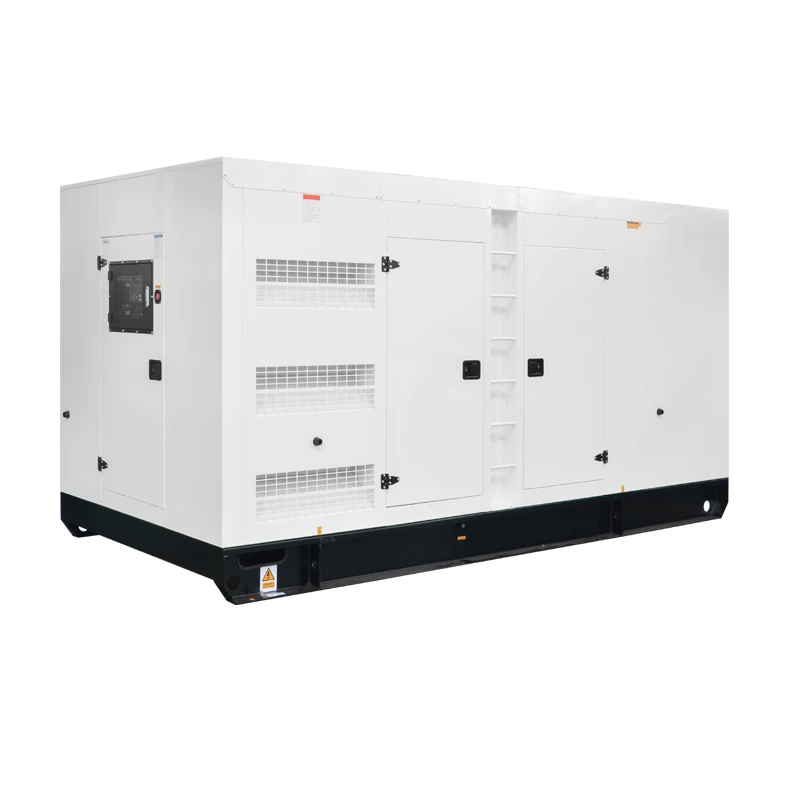
This system is known for its fuel efficiency and durability. Diesel gensets, such as our 550KW Genset Powered By Weichai and 640KW Prime Use Generator, leverage the compression ignition system to provide reliable power output for extended periods, making them ideal for industrial and commercial applications.
Key Components of the Ignition System
Spark Plugs
Spark plugs are a fundamental component in a spark ignition system. They are located at the top of each cylinder in a gasoline engine. A high - voltage electrical current from the ignition coil jumps across the spark plug's electrodes, creating a spark. This spark is what ignites the air - fuel mixture.
The design and quality of spark plugs can significantly impact the performance of the genset. Worn - out or malfunctioning spark plugs can lead to misfires, reduced power output, and increased fuel consumption. Regular inspection and replacement of spark plugs are essential maintenance tasks for gasoline - powered portable gensets.
Ignition Coils
In both ignition systems to some extent (specially important in spark ignition), ignition coils are like energy boosters. Their main function is to convert the low - voltage electricity from the battery into a high - voltage current.
An ignition coil consists of two coils of wire (primary and secondary) wound around an iron core. When the primary coil receives a current from the battery, it creates a magnetic field. When the current is interrupted, the magnetic field collapses. This collapsing magnetic field in the primary coil induces a high - voltage current in the secondary coil. This high - voltage current is then sent to the spark plugs (in a spark ignition system) or used in other aspects of the ignition process.
Fuel Injectors (Compression Ignition)
In diesel - powered gensets with a compression ignition system, fuel injectors play a key role. These injectors are responsible for spraying fine droplets of diesel fuel directly into the compressed air in the cylinder at the right time.
The precision of fuel injection is crucial. The amount and timing of the fuel injected affect the combustion process, power output, and fuel efficiency of the genset. Modern diesel gensets, like our 500KW Weichai Engine Generator With CE and 800kw Diesel Generator Open Set, are equipped with advanced fuel injection systems that ensure optimal performance.
Importance of a Well - Functioning Ignition System
Power Generation Reliability
A properly functioning ignition system is the cornerstone of reliable power generation. Whether it's a small portable genset for home use during a power outage or a large - scale industrial 1100KW Baudouin Generator, consistent ignition is needed for continuous operation. Any malfunction in the ignition system can lead to engine stalling, power interruptions, and ultimately, disruption of the power supply.
Fuel Efficiency
The ignition system also has a direct impact on fuel efficiency. In a spark ignition system, a well - timed spark ensures complete combustion of the air - fuel mixture. This means that the engine uses fuel more effectively, reducing waste and lowering fuel costs. In a compression ignition system, precise fuel injection and timely ignition contribute to efficient fuel utilization, which is particularly important for large - capacity gensets that consume significant amounts of fuel.

Engine Longevity
A good ignition system helps protect the engine from damage. For example, in a spark ignition system, if the spark plugs fire at the wrong time, it can cause engine knocking—a knocking sound that results from premature combustion. Engine knocking can put excessive stress on the engine components, leading to wear and tear over time. On the other hand, a well - tuned ignition system ensures smooth combustion, which in turn extends the life of the engine.
Maintenance and Troubleshooting of the Ignition System
Regular Maintenance
Regular maintenance of the ignition system is essential to keep the portable genset in optimal condition. This includes checking and cleaning the spark plugs in gasoline - powered gensets at regular intervals. For diesel - powered gensets, maintaining the fuel injectors and ensuring the correct compression ratio are important tasks.
It's also advisable to replace ignition components such as ignition coils and spark plugs according to the manufacturer's recommended schedule. This preventive maintenance approach can help avoid costly breakdowns and ensure the genset is always ready to provide power when needed.
Troubleshooting
If a portable genset fails to start or experiences power issues, the ignition system is often a likely culprit. In gasoline - powered gensets, a lack of spark due to a faulty ignition coil or spark plugs can be the problem. In diesel - powered gensets, issues with fuel injection, such as clogged injectors or incorrect injection timing, may be to blame.
Troubleshooting requires a systematic approach. Checking electrical connections, inspecting components for damage, and using diagnostic tools can help identify and resolve ignition system problems.
Conclusion
The ignition system of a portable genset is a critical part of its overall functionality. Whether it's a spark ignition system for gasoline gensets or a compression ignition system for diesel gensets, each type has its unique components and operating principles. By understanding how the ignition system works, its importance, and how to maintain it, customers can ensure the reliable operation of their portable gensets.
If you're in the market for a portable genset or need more information about genset ignition systems and other features, feel free to reach out for a detailed discussion. Our team of experts is here to assist you in making the best choice for your power needs. Don't hesitate to contact us for procurement and in - depth product consultations.
References
- Heywood, John B. "Internal Combustion Engine Fundamentals." McGraw - Hill Education, 1988.
- Automotive Ignition Systems. SAE International.


