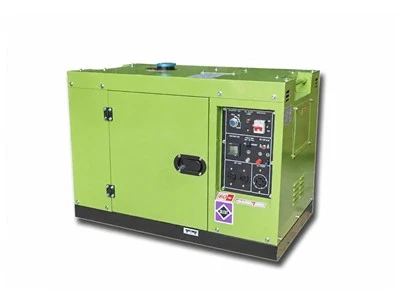
Hey there! As a supplier of Low Noise Diesel Generators, I've seen firsthand how power quality can have a big impact on a generator's performance. In this blog, I'm gonna break down what power quality is, how it affects our low noise diesel generators, and why it matters for you.
What is Power Quality?
Power quality refers to the characteristics of electrical power that allow electrical equipment to function properly. It's not just about having electricity; it's about having clean, stable, and reliable power. When we talk about power quality, we're looking at things like voltage, frequency, and waveform.
Voltage is the force that pushes electricity through a circuit. If the voltage is too high or too low, it can cause problems for electrical devices. Frequency is the number of times the electrical current changes direction per second. In most countries, the standard frequency is 50 or 60 Hertz. Any deviation from this can lead to malfunctions in equipment. The waveform is the shape of the electrical signal. A pure sine wave is ideal, but in real - world scenarios, the waveform can be distorted, which can also cause issues.
How Power Quality Affects Low Noise Diesel Generators
1. Voltage Fluctuations
Voltage fluctuations are one of the most common power quality issues. When the voltage is too high, it can cause overheating in the generator's windings. This overheating can damage the insulation, leading to short - circuits and potentially permanent damage to the generator. On the other hand, low voltage can cause the generator to work harder to supply the required power. This can result in reduced efficiency, increased fuel consumption, and premature wear and tear on the engine.
For example, if you're using a 20kw Silent Diesel Generator and there are frequent voltage spikes, the generator's internal components may start to degrade faster. The control systems in the generator may also malfunction, leading to unstable power output.
2. Frequency Variations
Frequency variations can have a significant impact on the performance of a low noise diesel generator. If the frequency is too high, the generator may run at a higher speed than normal. This can put extra stress on the engine and other mechanical components, leading to increased vibration and noise. In some cases, it can even cause the generator to trip or shut down to protect itself.
Conversely, if the frequency is too low, the generator may not be able to supply enough power to meet the load requirements. This can result in dimming lights, slow - running motors, and other performance issues. For a 50kw Silent Diesel Generator, maintaining a stable frequency is crucial for ensuring smooth operation and reliable power supply.
3. Waveform Distortion
Waveform distortion occurs when the electrical signal deviates from a pure sine wave. This can be caused by non - linear loads such as computers, variable - speed drives, and some types of lighting. When a low noise diesel generator is supplying power to these types of loads, the distorted waveform can cause problems.
The distorted waveform can lead to increased heating in the generator's windings and other components. It can also cause interference with sensitive electronic equipment connected to the generator. For instance, if you're using a Soundproof Diesel Generator to power a data center, waveform distortion can cause data errors and equipment malfunctions.
Why Power Quality Matters for You
As a user of low noise diesel generators, power quality matters a lot. Here are some reasons why:
1. Equipment Protection
Good power quality helps protect your electrical equipment from damage. When the power is clean and stable, your appliances, machinery, and other devices are less likely to experience premature failure. This can save you a lot of money in repair and replacement costs.
2. Efficiency
A generator operating with good power quality is more efficient. It uses fuel more effectively, which means lower operating costs for you. You'll also get more power output for the same amount of fuel, making your generator more cost - effective in the long run.
3. Reliability
Reliable power is essential, especially in critical applications such as hospitals, data centers, and manufacturing facilities. A generator with good power quality can provide a stable power supply, reducing the risk of power outages and ensuring that your operations run smoothly.
How to Ensure Good Power Quality for Your Low Noise Diesel Generator
1. Use a Voltage Regulator
A voltage regulator can help maintain a stable voltage output from the generator. It monitors the voltage and adjusts it as needed to keep it within the acceptable range. This can protect your generator and the connected equipment from voltage fluctuations.
2. Install a Frequency Controller
A frequency controller can ensure that the generator operates at the correct frequency. It can adjust the engine speed to maintain a stable frequency, even when the load on the generator changes.
3. Filter the Power
Using power filters can help reduce waveform distortion. These filters can remove harmonics and other electrical noise from the power supply, providing a cleaner and more stable power output.
Conclusion
In conclusion, power quality has a significant impact on the performance of low noise diesel generators. Voltage fluctuations, frequency variations, and waveform distortion can all cause problems for your generator and the equipment it powers. As a supplier of low noise diesel generators, we understand the importance of power quality and offer solutions to help you ensure that your generator operates at its best.
If you're in the market for a low noise diesel generator or have any questions about power quality, don't hesitate to reach out. We're here to help you make the right choice and ensure that you get the most reliable and efficient power solution for your needs. Let's start a conversation about your power requirements and how we can assist you.


References
- "Electrical Power Systems Quality" by Roger C. Dugan, Mark F. McGranaghan, and Surya Santoso.
- "Power Quality in Power Systems and Electrical Machines" by Alexander Kusko.