


Hey there! As a supplier of Canopy Diesel Generators, I often get asked about the radiator size of these machines. It's a crucial aspect that can significantly impact the generator's performance and lifespan. So, let's dive into what determines the radiator size of a Canopy Diesel Generator.
Understanding the Basics of Radiators in Diesel Generators
First off, a radiator is like the heart of a cooling system in a diesel generator. Its main job is to dissipate the heat generated by the engine during operation. Diesel engines produce a ton of heat, and if this heat isn't properly managed, it can lead to overheating, which in turn can cause serious damage to the engine components.
The radiator works by circulating coolant through the engine. The coolant absorbs the heat from the engine and then flows to the radiator. Inside the radiator, the coolant passes through a series of small tubes. As air passes over these tubes, it cools the coolant, and the cooled coolant is then sent back to the engine to absorb more heat.
Factors Affecting Radiator Size
There are several factors that determine the radiator size of a Canopy Diesel Generator. Let's take a look at some of the most important ones.
Generator Power Output
The power output of the generator is one of the primary factors influencing the radiator size. Generally, the higher the power output, the more heat the engine will generate. For example, a 50kw Silent Diesel Generator will produce more heat than a 20kw Silent Diesel Generator. As a result, the 50kw generator will require a larger radiator to effectively dissipate the heat.
Engine Design
The design of the engine also plays a role in determining the radiator size. Some engines are more efficient at converting fuel into power, which means they produce less heat. Engines with advanced cooling systems or better heat management technologies may require smaller radiators. On the other hand, engines with older designs or less efficient cooling mechanisms may need larger radiators to maintain optimal operating temperatures.
Operating Conditions
The operating conditions of the generator can have a significant impact on the radiator size. If the generator is used in a hot and humid environment, the radiator will need to work harder to dissipate the heat. In such cases, a larger radiator may be required to ensure that the engine doesn't overheat. Similarly, if the generator is used for continuous operation or under heavy loads, it will generate more heat, and a larger radiator will be necessary.
Cooling System Efficiency
The efficiency of the cooling system as a whole also affects the radiator size. A well-designed cooling system with efficient fans, pumps, and coolant flow can help to reduce the heat load on the radiator. This means that a smaller radiator may be sufficient to maintain the engine's temperature. However, if the cooling system is inefficient, a larger radiator may be needed to compensate for the lack of cooling capacity.
Calculating the Radiator Size
Calculating the exact radiator size for a Canopy Diesel Generator can be a complex process. It typically involves considering the factors mentioned above, as well as other variables such as the specific heat capacity of the coolant, the airflow rate through the radiator, and the heat transfer coefficient.
In general, manufacturers use engineering calculations and testing to determine the appropriate radiator size for their generators. They take into account the generator's power output, engine design, and expected operating conditions to ensure that the radiator can effectively dissipate the heat generated by the engine.
Importance of the Right Radiator Size
Having the right radiator size is crucial for the proper functioning of a Canopy Diesel Generator. If the radiator is too small, it won't be able to dissipate the heat effectively, which can lead to overheating. Overheating can cause a variety of problems, including engine damage, reduced performance, and increased fuel consumption.
On the other hand, if the radiator is too large, it can add unnecessary weight and cost to the generator. It may also take up more space, which can be a problem in applications where space is limited.
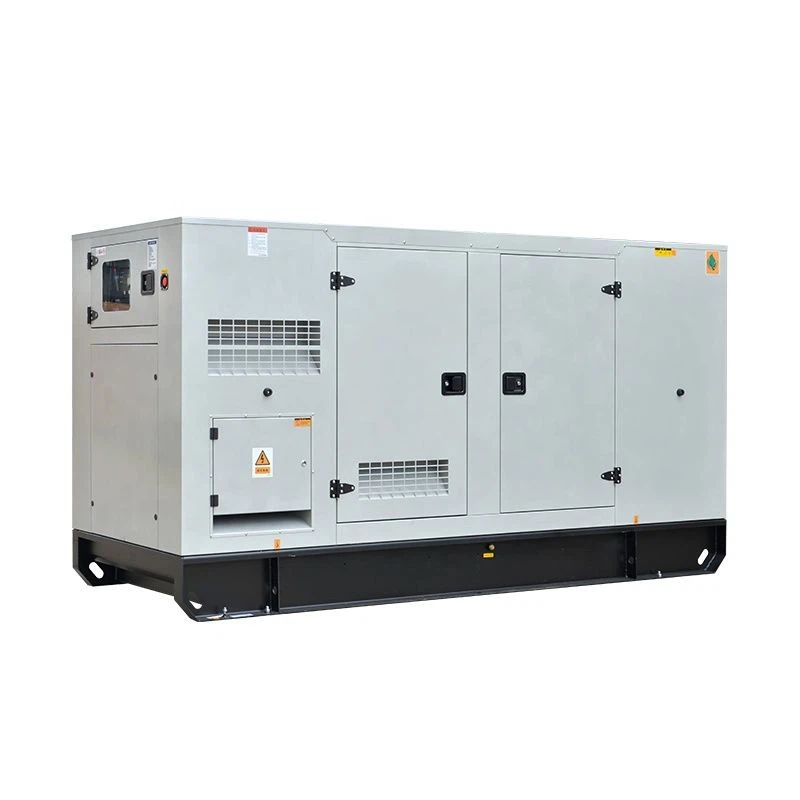

Our Canopy Diesel Generators
At our company, we offer a wide range of Canopy Diesel Generators with carefully selected radiator sizes. Our Low Noise Diesel Generator models are designed to provide reliable power while keeping the noise levels to a minimum. We understand the importance of having the right radiator size, and we ensure that all our generators are equipped with radiators that are sized appropriately for their power output and operating conditions.
Whether you need a small generator for home use or a large generator for industrial applications, we have the right solution for you. Our generators are built to last, and we offer excellent customer support to ensure that you get the most out of your investment.
Contact Us for Your Generator Needs
If you're in the market for a Canopy Diesel Generator, we'd love to hear from you. Our team of experts can help you choose the right generator for your specific needs and provide you with all the information you need to make an informed decision. Whether you have questions about radiator size, power output, or any other aspect of our generators, we're here to help.
So, don't hesitate to reach out to us. We're committed to providing you with the best products and services in the industry. Let's work together to find the perfect Canopy Diesel Generator for you.
References
- Diesel Generator Handbook, various editions
- Engineering textbooks on heat transfer and cooling systems


