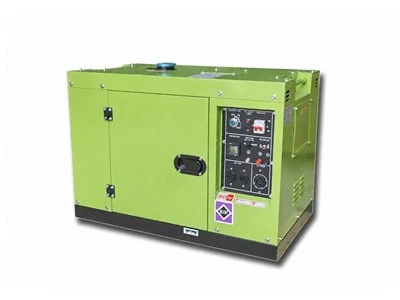
In the realm of construction and industrial operations, diesel generators stand as reliable powerhouses, providing the necessary energy to keep projects running smoothly. Among the many components that make up a construction diesel generator, the starter motor plays a crucial yet often overlooked role. As a leading supplier of Construction Diesel Generator, I've witnessed firsthand the significance of this small but mighty part. In this blog, we'll delve into the functions, importance, and maintenance of the starter motor in a construction diesel generator.

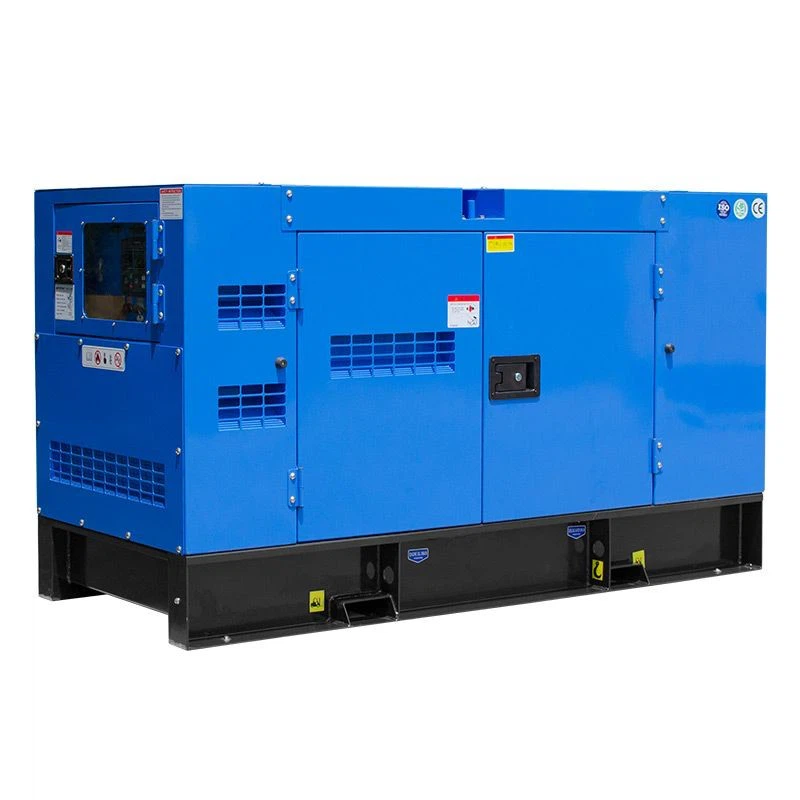
Understanding the Basics of a Starter Motor
At its core, a starter motor is an electric motor designed to initiate the engine's operation. In a construction diesel generator, the starter motor is responsible for turning the engine's crankshaft until the engine can run under its own power. This process is essential because diesel engines do not have a self - starting mechanism like some smaller gasoline engines.
The starter motor works by converting electrical energy from the generator's battery into mechanical energy. When the operator turns the ignition key or presses the start button, an electrical current is sent to the starter solenoid. The solenoid then engages a small gear, known as the pinion gear, with the engine's flywheel. As the starter motor spins, it rotates the flywheel, which in turn rotates the crankshaft. This rotation causes the pistons to move up and down in the cylinders, creating the compression and combustion necessary for the engine to start.
The Role of the Starter Motor in Construction Diesel Generators
1. Initial Engine Start - Up
The most obvious role of the starter motor is to start the diesel engine. In a construction site, where power is often required at a moment's notice, a reliable starter motor is essential. Whether it's powering tools, lighting, or other equipment, the generator needs to start quickly and efficiently. A well - functioning starter motor ensures that the generator can be up and running in a matter of seconds, minimizing downtime and keeping the construction project on schedule.
2. Cold Start Performance
Construction sites can be exposed to a wide range of environmental conditions, including cold weather. Diesel engines are known to be more difficult to start in cold temperatures because the diesel fuel thickens, and the engine oil becomes more viscous. The starter motor must work harder to turn the engine over during a cold start. High - quality starter motors are designed to handle these challenging conditions, with features such as increased torque and better insulation to ensure reliable cold - weather starting.
3. Safety and Reliability
In a construction environment, safety is paramount. A reliable starter motor contributes to the overall safety of the generator and the construction site. If the starter motor fails to start the engine, it can lead to delays, frustration, and potentially dangerous situations. For example, if a generator fails to start during a power outage, it could leave workers in the dark or without power for essential equipment. By ensuring that the starter motor is in good working condition, we can prevent these issues and maintain a safe working environment.
Factors Affecting Starter Motor Performance
1. Battery Condition
The starter motor relies on the generator's battery to provide the electrical energy it needs to operate. A weak or discharged battery can significantly affect the performance of the starter motor. If the battery voltage is too low, the starter motor may not have enough power to turn the engine over. Regular battery maintenance, including checking the electrolyte levels, cleaning the terminals, and testing the battery's charge, is essential to ensure optimal starter motor performance.
2. Starter Motor Wear and Tear
Like any mechanical component, the starter motor is subject to wear and tear over time. The constant engagement and disengagement of the pinion gear with the flywheel, as well as the high - speed rotation of the motor, can cause the brushes, bearings, and other internal parts to wear out. Regular inspections and maintenance can help identify and address these issues before they lead to a complete starter motor failure.
3. Environmental Conditions
The construction environment can be harsh, with dust, dirt, moisture, and extreme temperatures. These conditions can have a negative impact on the starter motor's performance. Dust and dirt can accumulate inside the motor, causing it to overheat and reducing its efficiency. Moisture can lead to corrosion of the electrical components, while extreme temperatures can affect the motor's lubrication and insulation. Protecting the starter motor from these environmental factors, such as by using a proper enclosure or performing regular cleaning, is crucial.
Maintenance and Troubleshooting of Starter Motors
1. Regular Inspections
Regular inspections are the key to maintaining a healthy starter motor. This includes checking the electrical connections for signs of corrosion or loose wires, inspecting the pinion gear and flywheel for wear, and listening for any unusual noises when the starter motor is in operation. A visual inspection can often reveal early signs of problems, allowing for timely repairs or replacements.
2. Lubrication
Proper lubrication is essential for the smooth operation of the starter motor. The bearings and moving parts need to be lubricated to reduce friction and wear. Over - lubrication can also be a problem, as it can attract dust and dirt. Following the manufacturer's recommendations for lubrication intervals and using the correct type of lubricant is important.
3. Troubleshooting
If the starter motor fails to start the engine, there are several troubleshooting steps that can be taken. First, check the battery to ensure it is fully charged and the connections are secure. If the battery is in good condition, the problem may lie with the starter solenoid or the starter motor itself. A professional technician can use specialized tools to test the starter motor's electrical and mechanical performance and diagnose the issue.
Comparison with Other Generator Types
When comparing construction diesel generators with other types of generators, such as Open Type Diesel Generator and Marine Diesel Generator Set, the role of the starter motor remains similar in terms of initiating engine start - up. However, each type of generator may have specific requirements based on its application.
For example, open - type diesel generators are often used in more open and less protected environments, which means the starter motor may be more exposed to dust and dirt. Marine diesel generator sets, on the other hand, need to be more resistant to moisture and saltwater corrosion. As a supplier, we understand these differences and can provide starter motors that are specifically designed to meet the unique needs of each generator type.
Conclusion
The starter motor is a vital component of a construction diesel generator. Its role in starting the engine, ensuring cold - start performance, and maintaining safety and reliability cannot be overstated. As a supplier of construction diesel generators, we are committed to providing high - quality starter motors and comprehensive support to our customers.
If you're in the market for a construction diesel generator or need to replace a starter motor, we invite you to contact us for a consultation. Our team of experts can help you choose the right generator and starter motor for your specific needs and provide you with the best solutions for your construction projects.
References
- Automotive Electrical and Electronic Systems, 6th Edition, by William H. Crouse and Donald L. Anglin
- Diesel Engine Fundamentals, by Charles E. Feltes