


When it comes to picking a genset brand that can roll with whatever operating conditions get thrown its way, I’ve spent years talking to facility managers, contractors, and anyone who relies on backup power day in and day out. As a genset supplier, I’ve seen first-hand how some brands fold when faced with extreme heat, dusty job sites, remote locations, or even constant variable power demands—while others just keep humming along. Let’s cut through the noise and break down what actually makes a genset adaptable, and how our line of units stacks up.
First, let’s define “different operating conditions” because that’s not a one-size-fits-all term. A construction site in the Arizona desert deals with 110°F days and tons of concrete dust that clogs filters. A hospital in a northern city needs a genset that fires up instantly in freezing cold, no matter how long the grid is down. A small retail shop might need a unit that runs light loads most days but kicks into high gear during holiday weekends. Even a farm dealing with high humidity from irrigation or dust from tilling has unique needs. Adaptability here means not just starting, but running efficiently, reliably, and without costly repairs when conditions aren’t textbook ideal.
Let’s start with the basics: a genset’s ability to handle variable conditions boils down to three key factors: engine design, power output flexibility, and build quality. A lot of brands cut corners on engine components to hit low price points, but that’s where adaptability dies. For example, engines that are built for constant, steady loads might struggle if they’re idling for long stretches (like a backup genset that only runs a few hours a month) or jumping between low and high loads. That’s a problem that leads to carbon buildup, worn parts, and early breakdowns.
Our line of gensets is built to address that. Take our smaller units first—something like the 13kW Generator is perfect for small shops, remote cabins, or backup for a few critical home systems. I’ve supplied these to people in mountain towns where winter lows drop below 0°F, and they report no issues with starting even after three weeks of the grid being out. The engine is calibrated to handle both light, intermittent loads and occasional full-power runs, so it doesn’t sit idle and rot out. That’s a big one for adaptability: if a genset only works when it’s running at full tilt, it’s useless for 90% of real-world scenarios.
For mid-range applications, our 40kVA Generator and 60kVA Generator are workhorses for construction sites, small event venues, or mid-sized commercial buildings. Construction sites are the wild west of operating conditions: one day you’re working in dusty, dry Texas heat, the next in rainy, muddy Georgia. These gensets come with heavy-duty air filters that handle high dust loads without restricting airflow, a common pain point that causes other brands to shut down mid-job. We’ve had customers run these units 12+ hours a day in 105°F heat, and they still meet their efficiency ratings—no overheating, no power drops. The 40kW Generator is a close cousin to the 40kVA, rated for consistent variable loads, so it’s great for businesses that have fluctuating power needs, like restaurants that need extra power during service hours or retail stores during sales events.
Now, when we talk about large-scale applications, nothing beats our 900kVA Diesel Generating unit for hospitals, data centers, or industrial facilities. These operations can’t afford a power outage, and conditions here are rarely ideal. A data center might need a genset that can switch from 20% to 100% load in seconds to keep servers online during grid fluctuations. A hospital’s genset has to run non-stop, even with high humidity in the basement or extreme cold on the roof of a building. The 900kVA unit is built with a marine-grade corrosion-resistant frame, so it can handle outdoor installation in coastal areas where salt air would eat through a lesser unit. The engine is also equipped with a cold-start system that works down to -20°F, so even in the middle of a polar vortex, it’s ready to go the second the grid fails.

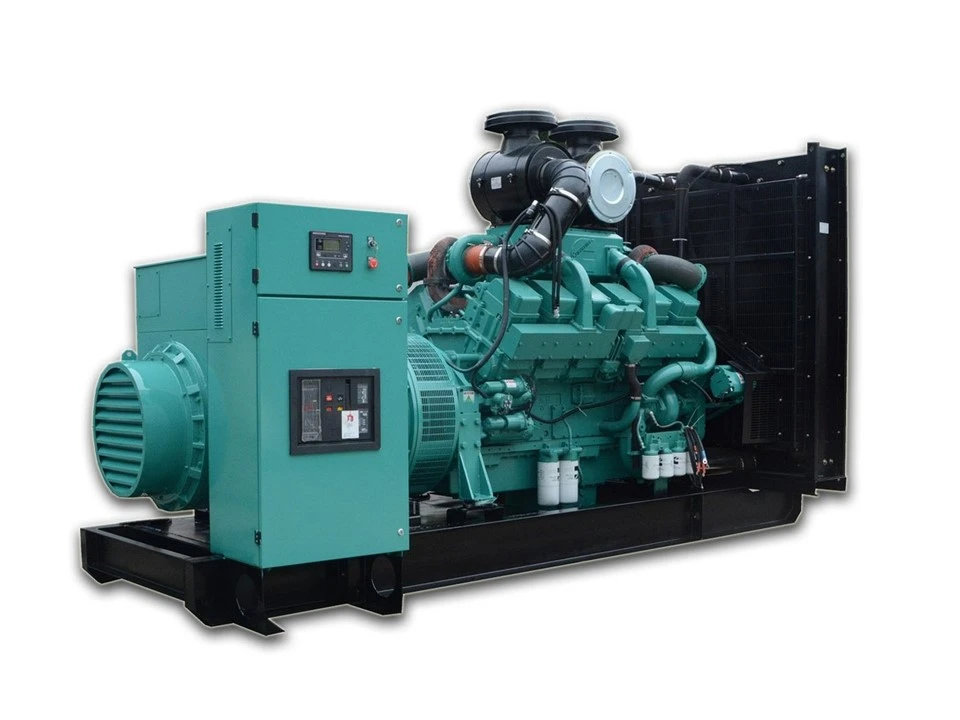
But adaptability isn’t just about the engine or the frame—it’s about how the genset integrates into different setups. A lot of customers don’t just need a standalone unit; they need it to work with existing transfer switches, parallel systems for multiple units, or remote monitoring. Our gensets come with smart control panels that let you adjust settings on the fly, monitor fuel levels and engine health remotely, and even connect to building management systems. That’s a game-changer for facilities managers who might be managing multiple sites in different climate zones—they can tweak the genset’s performance to match whatever conditions a particular site faces.
Let’s talk about real-world tests, because I don’t just want to sell you a genset, I want to tell you how it’s actually performed. Last year, I supplied a pair of 60kVA generators to a construction company working in the Mojave Desert. They were running 14 hours a day, five days a week, in temperatures that hit 112°F. At first, they were using a different brand that kept shutting down due to overheating and filter clogging. After switching to our units, they went three months without a single issue. The customer’s foreman told me, “We don’t even think about the gensets now—they just run.” That’s the kind of adaptability that matters: when the equipment fades into the background, doing its job without constant supervision.
Another example: a farm in Iowa that needed a genset to power irrigation systems, grain dryers, and a workshop. They cycle between light loads (overnight pump runs) and heavy loads (grain drying season, which needs full power 24/7). They tried a few brands that struggled with the load swings—some would throw an error when switching from low to high, others would waste fuel idling. Our 40kW Generator handled it seamlessly; the fuel efficiency saved them $200 a month on fuel costs alone, which adds up over a busy farming season.
Now, it’s fair to ask: what about other brands? Why are our units more adaptable? It comes down to engineering for real-world use, not just lab tests. A lot of genset brands design units to perform perfectly in controlled conditions, but in the field, dust, temperature swings, and inconsistent fuel throw them off. We test every unit in simulated extreme conditions before it leaves the factory: we run engines at 120°F for weeks, simulate freezing cold starts, test filter performance in high-dust environments, and check how they handle load swings. That’s not standard across the industry, which is why you’ll see so many brands have higher failure rates in tough conditions.
Adaptability also means support. If your genset breaks down in the middle of a power outage at 2 a.m., you can’t wait for a repair technician who’s stuck in traffic. Our customers get 24/7 support, no matter where they’re located. We have parts stocked across the country, so if a filter or a small part needs replacing, we can get it to you in 24 hours or less. That’s part of being adaptable—having a partner that’s there when conditions go south, not just when you’re buying the unit.
Let’s also address common misconceptions. Some people think “more power” means more adaptable, but that’s not true. A 900kVA unit is overkill for a small retail shop, and a 13kW unit can’t handle a hospital’s power needs. The key is picking the right size for your load, but also making sure that size is built to handle your specific operating conditions. Our line ranges from small residential backup units to large industrial generators, so we can match a unit to any application, and each one is built to adapt to its environment.
If you’re in the market for a genset, don’t just look at the price tag or the power rating. Ask yourself: what conditions will this unit actually run in? Will it handle heat, cold, dust, humidity? Will it handle variable loads? Will I have support when something goes wrong? That’s where adaptability shines, and that’s where our gensets stand out.
We’ve helped customers across every industry—construction, agriculture, healthcare, retail, data centers—get through some of the toughest power scenarios. Whether you need a backup for your home, power for a job site, or a large-scale unit for a critical facility, we’ve got a genset that’s built to adapt. If you’re ready to talk through your specific needs, feel free to reach out to our team to start a procurement conversation.
References
- Diesel Engine Genset Adaptability Testing Standards, International Organization for Standardization (ISO 8528-1:2019)
- Field Performance Analysis of Standby Power Generators in Extreme Environmental Conditions, Journal of Power Engineering, 2022
- Commercial Genset Load Variability and Efficiency, Department of Energy Office of Energy Efficiency & Renewable Energy, 2021
- Construction Site Power Equipment Reliability, National ready mixed concrete Association, 2023


