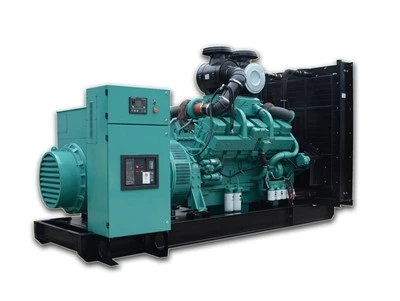
Cummins Generator 4500 configuration planning for underground metro ventilation plant for an extended utility restoration contingency, with emphasis on fan acceleration and smoke-control logic may impose different priorities during an incident. The project must also account for the fact that restoration time may be uncertain while fuel, staffing and consumables continue to change
Send Inquiry
Description
Technical Parameters
Product Overview
For underground metro ventilation plant for an extended utility restoration contingency, the words Cummins Generator 4500 identify a requested class but do not finish the selection. The useful design record separates tunnel fans, dampers, drainage pumps, fire controls and station communications, together with fuel planning, mobile communications, shift lighting and temporary maintenance support and tests the package against fan acceleration and smoke-control logic may impose different priorities during an incident. The project must also account for the fact that restoration time may be uncertain while fuel, staffing and consumables continue to change.
Using the submitted records, Kaichen Power coordinates alternator connection, protection, prove fire mode, damper feedback and communication links before staging ventilation trains. The work plan must also review fuel endurance, operator coverage and load-shedding triggers at defined intervals and packaging for a restricted below-grade plant room with heat, moisture and controlled access, combined with a prolonged outage with logistics constraints, repeated inspections and changing load priorities. The technical offer identifies what is included and leaves unverified performance claims out.
Reference Configuration
This configuration table records the inquiry basis for underground metro ventilation plant for an extended utility restoration contingency. Final ratings and options depend on the approved engine, alternator, controls, enclosure and site conditions.
Parameter
Configuration Basis
Headline reference
Cummins Generator 4500 retained as the supplied keyword for the underground metro ventilation plant for an extended utility restoration contingency inquiry; usable rating follows approved component data
Process priority
controlled support of essential services until stable utility supply returns at the underground metro ventilation plant for underground metro ventilation plant for an extended utility restoration contingency
Circuit schedule
Operating records for tunnel fans, dampers, drainage pumps, fire controls and station communications, together with fuel planning, mobile communications, shift lighting and temporary maintenance support reviewed by the project team
Transient concern
Engineering attention directed to fan acceleration and smoke-control logic may impose different priorities during an incident. The project must also account for the fact that restoration time may be uncertain while fuel, staffing and consumables continue to change
Connection design
Voltage, frequency, phase, neutral, breaker and connection method agreed with the railway systems engineer, fire-safety manager and station controller and the continuity response manager
Automation basis
prove fire mode, damper feedback and communication links before staging ventilation trains. The work plan must also review fuel endurance, operator coverage and load-shedding triggers at defined intervals coordinated with the operating procedure
Placement condition
Enclosure, cooling, service access and protection assessed for a restricted below-grade plant room with heat, moisture and controlled access, combined with a prolonged outage with logistics constraints, repeated inspections and changing load priorities
Approved data
Current, dimensions, performance and test records issued for the released controlled support of essential services until stable utility supply returns at the underground metro ventilation plant configuration
Protect the Operating Sequence at Underground Metro Ventilation Plant For An Extended Utility Restoration Contingency
1
Separate must-run functions within tunnel fans, dampers, drainage pumps, fire controls and station communications, together with fuel planning, mobile communications, shift lighting and temporary maintenance support from loads that can be delayed.
2
Obtain equipment data relevant to fan acceleration and smoke-control logic may impose different priorities during an incident. The project must also account for the fact that restoration time may be uncertain while fuel, staffing and consumables continue to change.
3
Define alarms, permissions and handover for prove fire mode, damper feedback and communication links before staging ventilation trains. The work plan must also review fuel endurance, operator coverage and load-shedding triggers at defined intervals.
4
Document how a restricted below-grade plant room with heat, moisture and controlled access, combined with a prolonged outage with logistics constraints, repeated inspections and changing load priorities affects enclosure and maintenance choices.
Where This Cummins Generator 4500 Inquiry Fits
Teams responsible for underground metro ventilation plant for an extended utility restoration contingency and its continuity plan.
Sites where tunnel fans, dampers, drainage pumps, fire controls and station communications, together with fuel planning, mobile communications, shift lighting and temporary maintenance support have documented restoration priorities.
Projects requiring a separate decision about fan acceleration and smoke-control logic may impose different priorities during an incident. The project must also account for the fact that restoration time may be uncertain while fuel, staffing and consumables continue to change.
Installations that must remain serviceable in a restricted below-grade plant room with heat, moisture and controlled access, combined with a prolonged outage with logistics constraints, repeated inspections and changing load priorities.
Prepare the Underground Metro Ventilation Plant For An Extended Utility Restoration Contingency Data
Prepare a circuit schedule for tunnel fans, dampers, drainage pumps, fire controls and station communications, together with fuel planning, mobile communications, shift lighting and temporary maintenance support.
Send manufacturer data relevant to fan acceleration and smoke-control logic may impose different priorities during an incident. The project must also account for the fact that restoration time may be uncertain while fuel, staffing and consumables continue to change.
Show required indications and permissives for prove fire mode, damper feedback and communication links before staging ventilation trains. The work plan must also review fuel endurance, operator coverage and load-shedding triggers at defined intervals.
Map cable, exhaust, airflow and service routes in a restricted below-grade plant room with heat, moisture and controlled access, combined with a prolonged outage with logistics constraints, repeated inspections and changing load priorities.
Confirm testing and handover expectations with the railway systems engineer, fire-safety manager and station controller and the continuity response manager.
Project Release Record 4038
Responsibility record 4038. the railway systems engineer, fire-safety manager and station controller and the continuity response manager should approve start authority, reset permissions, alarm destinations, local fallback and emergency shutdown response.
Offer record 4038. List included equipment, selected accessories, site work, commissioning support and documentation. Leave unverified output, consumption, sound, emissions and dimensional values subject to the approved datasheet.
Inspection record 4038. Before shipment, compare component identity, assembly, wiring, controls, indications and shutdown functions with the released build record and close every deviation.
Witness record 4038. Demonstrate start request, voltage establishment, staged load connection, alarm handling, controlled stop and return to normal. The test should show controlled support of essential services until stable utility supply returns at the underground metro ventilation plant.
Handover record 4038. Deliver accepted drawings, settings, cable information, operating instructions, maintenance tasks, spares data and training evidence with named owners for any open item.
Release file 4038. Keep the supplied keyword as the catalogue title, but define the delivered equipment from the signed technical schedule for underground metro ventilation plant for an extended utility restoration contingency.
Load record 4038. Measure or document tunnel fans, dampers, drainage pumps, fire controls and station communications, together with fuel planning, mobile communications, shift lighting and temporary maintenance support. Separate continuous demand, starting events, recovery blocks and circuits that the operator may defer.
Event record 4038. Engineering review is required because fan acceleration and smoke-control logic may impose different priorities during an incident. The project must also account for the fact that restoration time may be uncertain while fuel, staffing and consumables continue to change. State the acceptance limit and the evidence used to verify it.
Interface record 4038. Put the agreed voltage, frequency, phases, neutral method, breaker duty, cable termination, earthing and transfer ownership on the controlled drawing. The operating team must also prove fire mode, damper feedback and communication links before staging ventilation trains. The work plan must also review fuel endurance, operator coverage and load-shedding triggers at defined intervals.
Site record 4038. Select ventilation, exhaust routing, fuel handling, drainage, lifting and enclosure protection for a restricted below-grade plant room with heat, moisture and controlled access, combined with a prolonged outage with logistics constraints, repeated inspections and changing load priorities. Preserve safe access after surrounding services are complete.
Product and Component Images
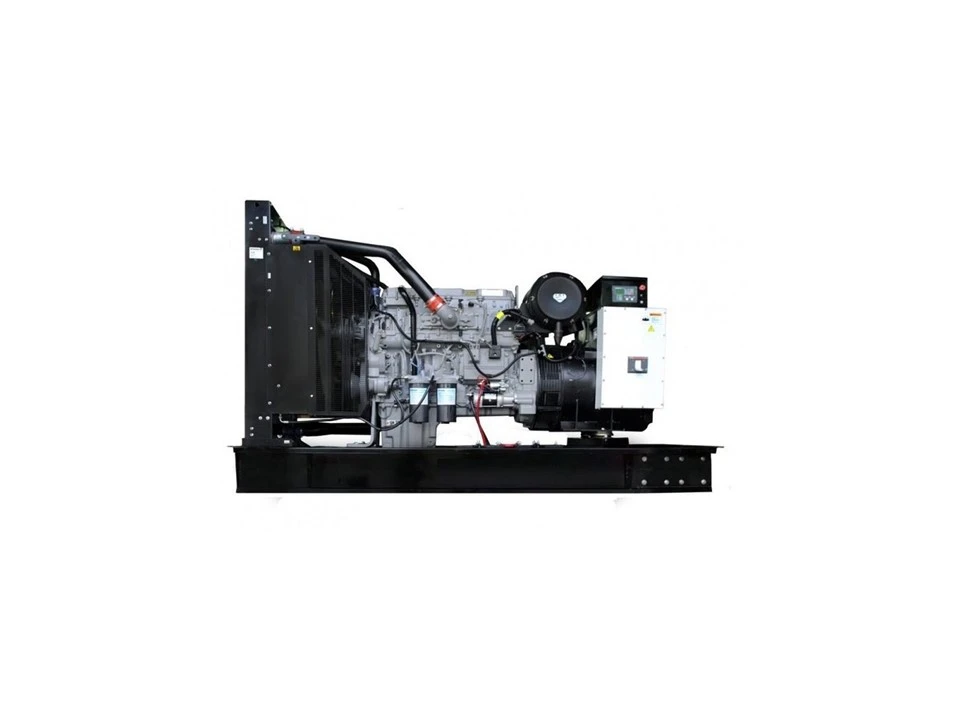
Alternative generator arrangement considered for underground metro ventilation plant for an extended utility restoration contingency
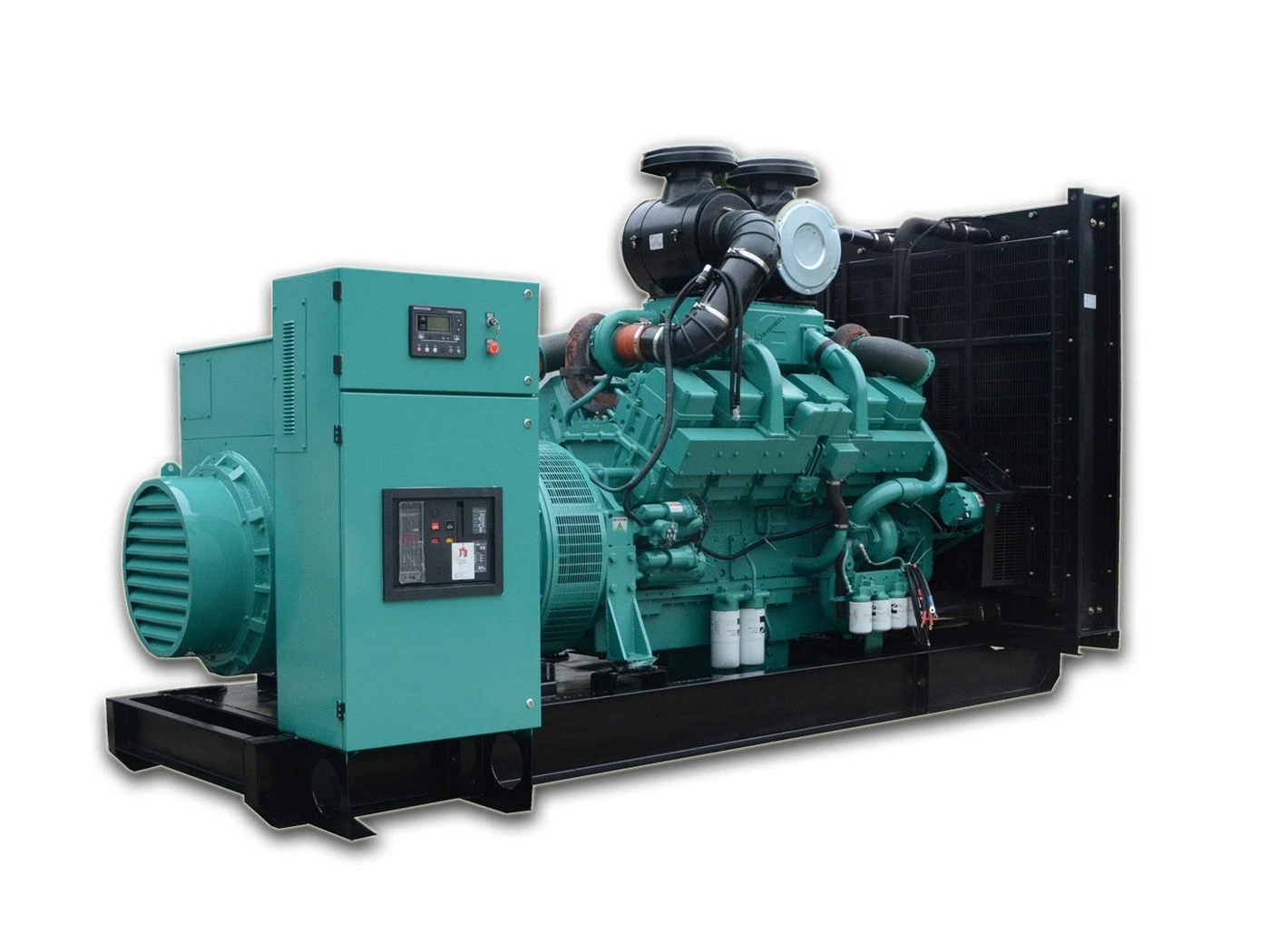
Service-access perspective used while reviewing tunnel fans, dampers, drainage pumps, fire controls and station communications, together with fuel planning, mobile communications, shift lighting and temporary maintenance support
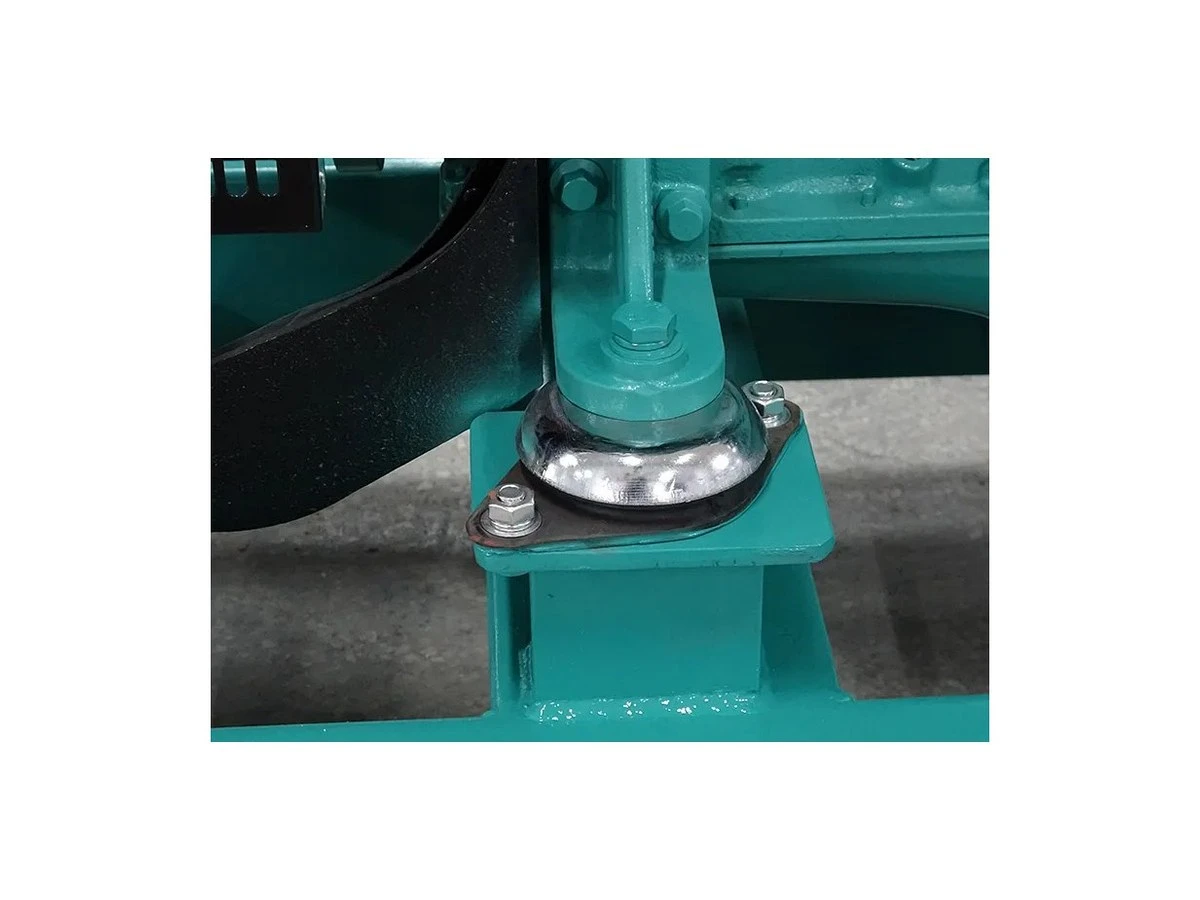
Mounting detail relevant to a restricted below-grade plant room with heat, moisture and controlled access, combined with a prolonged outage with logistics constraints, repeated inspections and changing load priorities
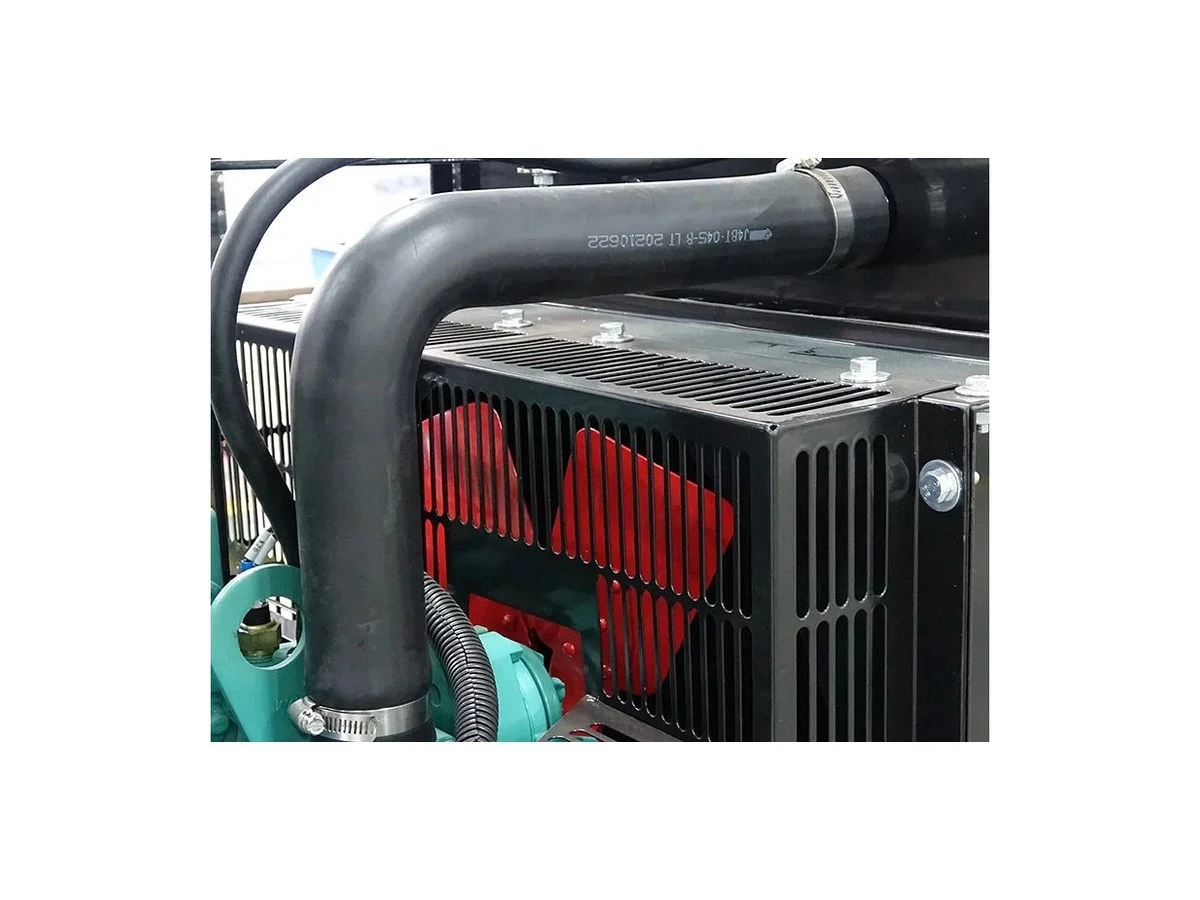
Cooling or auxiliary component reviewed for fan acceleration and smoke-control logic may impose different priorities during an incident. The project must also account for the fact that restoration time may be uncertain while fuel, staffing and consumables continue to change
Factory Assembly and Technical Confirmation
Assembly detail supporting the underground metro ventilation plant for an extended utility restoration contingency configuration check
At Jiangsu Kaichen Electric Power Equipment Co., Ltd., the assembly record for this underground metro ventilation plant for an extended utility restoration contingency project is linked to the approved configuration. Incoming components, wiring checks and operating observations are reviewed before dispatch.
Frequently Asked Questions
Q: Does Cummins Generator 4500 guarantee enough power for underground metro ventilation plant for an extended utility restoration contingency?
A: No. For underground metro ventilation plant for an extended utility restoration contingency, the keyword is an inquiry class; component selection and the operating evidence for tunnel fans, dampers, drainage pumps, fire controls and station communications, together with fuel planning, mobile communications, shift lighting and temporary maintenance support establish usable performance.
Q: How is fan acceleration and smoke-control logic may impose different priorities during an incident. The project must also account for the fact that restoration time may be uncertain while fuel, staffing and consumables continue to change checked?
A: The project team reviews records for tunnel fans, dampers, drainage pumps, fire controls and station communications, together with fuel planning, mobile communications, shift lighting and temporary maintenance support and recreates the condition in which fan acceleration and smoke-control logic may impose different priorities during an incident. The project must also account for the fact that restoration time may be uncertain while fuel, staffing and consumables continue to change appears before accepting an operating sequence.
Q: Is prove fire mode, damper feedback and communication links before staging ventilation trains. The work plan must also review fuel endurance, operator coverage and load-shedding triggers at defined intervals included automatically?
A: It becomes part of the package only after prove fire mode, damper feedback and communication links before staging ventilation trains. The work plan must also review fuel endurance, operator coverage and load-shedding triggers at defined intervals is shown in the approved interface list and drawing scope.
Q: What changes because the site has a restricted below-grade plant room with heat, moisture and controlled access, combined with a prolonged outage with logistics constraints, repeated inspections and changing load priorities?
A: The declared condition - a restricted below-grade plant room with heat, moisture and controlled access, combined with a prolonged outage with logistics constraints, repeated inspections and changing load priorities - influences enclosure, airflow, access, protection and the maintenance plan.
A project-specific Cummins Generator 4500 offer starts with the operating sequence for tunnel fans, dampers, drainage pumps, fire controls and station communications, together with fuel planning, mobile communications, shift lighting and temporary maintenance support, evidence concerning fan acceleration and smoke-control logic may impose different priorities during an incident. The project must also account for the fact that restoration time may be uncertain while fuel, staffing and consumables continue to change, and details of a restricted below-grade plant room with heat, moisture and controlled access, combined with a prolonged outage with logistics constraints, repeated inspections and changing load priorities. Submit these items to Kaichen Power for a documented technical selection.
PROJECT ACCEPTANCE AND HANDOVER PLAN
Use this Kaichen Power plan to convert the agreed site duty into recorded commissioning evidence. Apply the released engine, alternator, controller, enclosure and electrical data when setting acceptance limits.
Acceptance Point 1 Starting-Air Or Cranking Circuit
Use the site environmental assessment to confirm the expected sequence and the responsible interface. At the starting-air or cranking circuit, define the normal condition and the safe state before testing starts. To close that action, obtain buyer and supplier acceptance at the agreed hold point. If the result differs from the approved basis, stop the affected step, restore a safe condition and open a traceable action. Checkpoint KA-10638 also tests the response when a nonessential feeder reconnects too early. The witness team should record phase voltage before and after the load step and note the connected load, control mode and instrument reference. This acceptance point supports the project configuration for Cummins Generator 4500; it does not replace the confirmed component and performance datasheets.
Acceptance Point 2 Breaker Withdrawal Space
If the result differs from the approved basis, stop the affected step, restore a safe condition and open a traceable action. At the breaker withdrawal space, define the normal condition and the safe state before testing starts. This acceptance point supports the project configuration for Cummins Generator 4500; it does not replace the confirmed component and performance datasheets. Use the training attendance record to confirm the expected sequence and the responsible interface. To close that action, attach the measured result rather than a verbal confirmation. The witness team should verify the local fallback control and note the connected load, control mode and instrument reference. Checkpoint KA-10669 also tests the response when the operator must stop the sequence locally.
Acceptance Point 3 Weather Louvre Assembly
At the weather louvre assembly, define the normal condition and the safe state before testing starts. The witness team should confirm alarm text and destination and note the connected load, control mode and instrument reference. If the result differs from the approved basis, stop the affected step, restore a safe condition and open a traceable action. Checkpoint KA-10700 also tests the response when a spill or drainage alarm is raised. To close that action, identify the responsible person and completion date. This acceptance point supports the project configuration for Cummins Generator 4500; it does not replace the confirmed component and performance datasheets. Use the test-instrument register to confirm the expected sequence and the responsible interface.
Acceptance Point 4 Acoustic Enclosure Joint
At the acoustic enclosure joint, define the normal condition and the safe state before testing starts. The witness team should confirm ventilation permissives before cranking and note the connected load, control mode and instrument reference. Use the cable and termination schedule to confirm the expected sequence and the responsible interface. To close that action, verify that temporary tools and wiring have been removed. If the result differs from the approved basis, stop the affected step, restore a safe condition and open a traceable action. This acceptance point supports the project configuration for Cummins Generator 4500; it does not replace the confirmed component and performance datasheets. Checkpoint KA-10731 also tests the response when an enclosure door is opened during operation.
Acceptance Point 5 Cable Termination Zone
Use the approved single-line diagram to confirm the expected sequence and the responsible interface. This acceptance point supports the project configuration for Cummins Generator 4500; it does not replace the confirmed component and performance datasheets. Checkpoint KA-10762 also tests the response when remote communications fail after transfer. At the cable termination zone, define the normal condition and the safe state before testing starts. To close that action, preserve the record with the maintenance baseline. The witness team should record oil pressure and coolant temperature trend and note the connected load, control mode and instrument reference. If the result differs from the approved basis, stop the affected step, restore a safe condition and open a traceable action.
Acceptance Point 6 Utility Sensing Circuit
Checkpoint KA-10793 also tests the response when the set reaches stable speed but voltage is absent. Use the accepted project datasheet to confirm the expected sequence and the responsible interface. This acceptance point supports the project configuration for Cummins Generator 4500; it does not replace the confirmed component and performance datasheets. At the utility sensing circuit, define the normal condition and the safe state before testing starts. The witness team should verify the return-to-normal delay and note the connected load, control mode and instrument reference. If the result differs from the approved basis, stop the affected step, restore a safe condition and open a traceable action. To close that action, repeat the affected test after any setting change.
Acceptance Point 7 Document Handover Register
The witness team should check that labels match the released drawing and note the connected load, control mode and instrument reference. If the result differs from the approved basis, stop the affected step, restore a safe condition and open a traceable action. Use the maintenance access drawing to confirm the expected sequence and the responsible interface. To close that action, separate advisory observations from acceptance failures. Checkpoint KA-10824 also tests the response when the breaker fails to confirm position. At the document handover register, define the normal condition and the safe state before testing starts. This acceptance point supports the project configuration for Cummins Generator 4500; it does not replace the confirmed component and performance datasheets.
Acceptance Point 8 Battery And Charger Shelf
This acceptance point supports the project configuration for Cummins Generator 4500; it does not replace the confirmed component and performance datasheets. If the result differs from the approved basis, stop the affected step, restore a safe condition and open a traceable action. To close that action, retain photographs only where they clarify the condition. At the battery and charger shelf, define the normal condition and the safe state before testing starts. Use the lifting and handling plan to confirm the expected sequence and the responsible interface. Checkpoint KA-10855 also tests the response when ventilation feedback disagrees with the commanded state. The witness team should test the emergency-stop reset procedure and note the connected load, control mode and instrument reference.
Acceptance Point 9 Access-Door Clearance
Checkpoint KA-10886 also tests the response when an alarm remains active after local reset. Use the protection setting sheet to confirm the expected sequence and the responsible interface. If the result differs from the approved basis, stop the affected step, restore a safe condition and open a traceable action. To close that action, close the action before commercial handover. At the access-door clearance, define the normal condition and the safe state before testing starts. This acceptance point supports the project configuration for Cummins Generator 4500; it does not replace the confirmed component and performance datasheets. The witness team should verify fuel-level indication locally and remotely and note the connected load, control mode and instrument reference.
Acceptance Point 10 Auxiliary Distribution Board
At the auxiliary distribution board, define the normal condition and the safe state before testing starts. To close that action, explain any deviation from the approved procedure. Checkpoint KA-10917 also tests the response when utility voltage returns during the loading sequence. This acceptance point supports the project configuration for Cummins Generator 4500; it does not replace the confirmed component and performance datasheets. Use the fuel-system schematic to confirm the expected sequence and the responsible interface. If the result differs from the approved basis, stop the affected step, restore a safe condition and open a traceable action. The witness team should verify phase rotation at the outgoing terminals and note the connected load, control mode and instrument reference.
Acceptance Point 11 Temporary Commissioning Supply
To close that action, record any temporary override and its removal. Use the operating duty statement to confirm the expected sequence and the responsible interface. This acceptance point supports the project configuration for Cummins Generator 4500; it does not replace the confirmed component and performance datasheets. If the result differs from the approved basis, stop the affected step, restore a safe condition and open a traceable action. At the temporary commissioning supply, define the normal condition and the safe state before testing starts. The witness team should record charger voltage in each operating state and note the connected load, control mode and instrument reference. Checkpoint KA-10948 also tests the response when the charger loses its normal AC supply.
Acceptance Point 12 Foundation And Anti-Vibration Mounts
At the foundation and anti-vibration mounts, define the normal condition and the safe state before testing starts. If the result differs from the approved basis, stop the affected step, restore a safe condition and open a traceable action. Use the spare-parts recommendation to confirm the expected sequence and the responsible interface. To close that action, link the result to the applicable drawing revision. This acceptance point supports the project configuration for Cummins Generator 4500; it does not replace the confirmed component and performance datasheets. The witness team should confirm the breaker status feedback and note the connected load, control mode and instrument reference. Checkpoint KA-10979 also tests the response when normal supply returns outside the planned window.
Hot Tags: cummins generator 4500, China cummins generator 4500 manufacturers, suppliers, factory