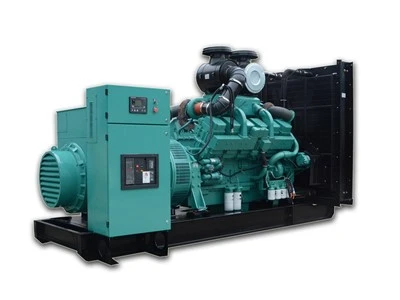
A gasoline generator consists of two main parts: an internal combustion engine and a generator. The internal combustion engine generates mechanical energy by burning gasoline, driving the generator rotor to rotate. When the rotor moves in a magnetic field, alternating current is generated in the stator coils according to the principle of electromagnetic induction. Key parameters include:
Power (kW): Indicates the ability to output electrical energy. For example, a 4.5kW generator can support small to medium loads, such as lighting or office equipment.
Voltage (V) and Frequency (Hz): 220V voltage and 50Hz frequency are standard parameters for the Chinese power grid, ensuring compatibility with most equipment.
Number of Phases: Single-phase generators are suitable for home or small business environments, offering lower cost and easier maintenance.
Speed (rpm): A speed design of 3600rpm helps stabilize the frequency output and avoid voltage fluctuations.
Starting Method: Manual starting systems rely on manual pulling, offering a simple structure and low failure rate, but requiring some physical effort to operate.
Furthermore, generator efficiency is affected by fuel type, cooling method, and design specifications. Open-frame structures facilitate heat dissipation but are noisier; enclosed structures are quieter and suitable for indoor environments. Understanding these principles can help users evaluate the actual performance of a generator.