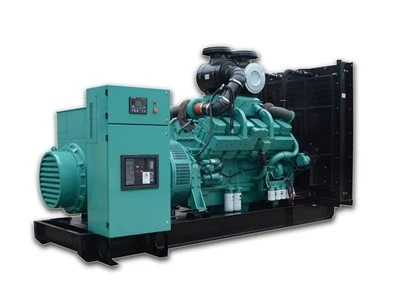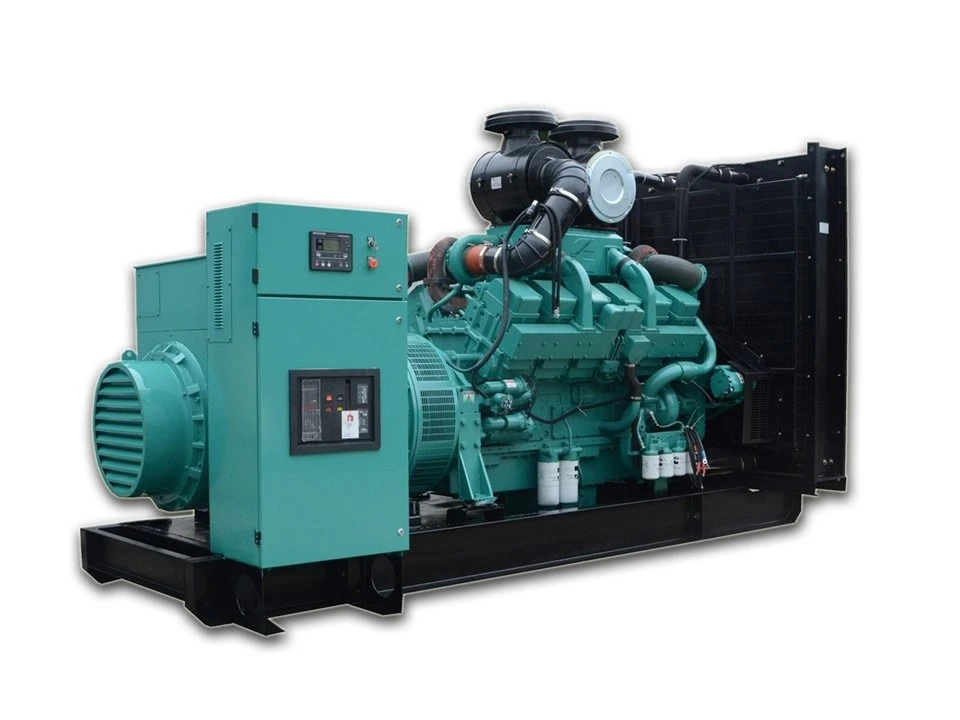
Kubota Gl11000 Lowboy Ii

Kubota Gl11000 Lowboy Ii

Kubota Gl11000 Lowboy Ii configuration planning for specialty chemical blending plant through a planned utility-transformer outage, with emphasis on part-filled vessels may require agitation or ventilation before any transfer can continue. In addition, the utility isolation window may change while the site remains committed to an agreed load plan
Send Inquiry
Description
Technical Parameters

Product Overview


Using Kubota Gl11000 Lowboy Ii at specialty chemical blending plant through a planned utility-transformer outage calls for a duty-based review. The review distinguishes steady demand from the switching and starting behaviour associated with mixers, transfer pumps, ventilation, dosing controls and spill-containment instruments, together with temporary metering, switching communications and outage-status displays, especially when part-filled vessels may require agitation or ventilation before any transfer can continue. In addition, the utility isolation window may change while the site remains committed to an agreed load plan is present.


Kaichen Power coordinates the generator package around the declared process, with particular attention to verify ventilation and vessel status before releasing agitation, dosing and transfer equipment. The work also requires confirmed isolation, controlled transfer and signed return-to-normal sequence, serviceability and a controlled chemical area with classified zones, incompatible materials and strict permits, combined with a scheduled network intervention with switching boundaries, restoration notices and fallback actions. Component-specific limits are confirmed in the final datasheet.


Reference Configuration


This inquiry basis converts the operating brief for specialty chemical blending plant through a planned utility-transformer outage into selectable project inputs. Output, fuel use, sound, emissions, dimensions and service intervals remain open until the selected components and site conditions are approved.


Parameter

Configuration Basis

Headline reference

Kubota Gl11000 Lowboy Ii retained as the supplied keyword for the specialty chemical blending plant through a planned utility-transformer outage inquiry; usable rating follows approved component data

Process priority

documented site operation throughout the utility transformer work at the specialty chemical blending plant for specialty chemical blending plant through a planned utility-transformer outage

Circuit schedule

Operating records for mixers, transfer pumps, ventilation, dosing controls and spill-containment instruments, together with temporary metering, switching communications and outage-status displays reviewed by the project team

Transient concern

Engineering attention directed to part-filled vessels may require agitation or ventilation before any transfer can continue. In addition, the utility isolation window may change while the site remains committed to an agreed load plan

Connection design

Voltage, frequency, phase, neutral, breaker and connection method agreed with the plant manager, process-safety engineer and authorised electrical person and the transformer-outage manager

Automation basis

verify ventilation and vessel status before releasing agitation, dosing and transfer equipment. The work also requires confirmed isolation, controlled transfer and signed return-to-normal sequence coordinated with the operating procedure

Placement condition

Enclosure, cooling, service access and protection assessed for a controlled chemical area with classified zones, incompatible materials and strict permits, combined with a scheduled network intervention with switching boundaries, restoration notices and fallback actions

Approved data

Current, dimensions, performance and test records issued for the released documented site operation throughout the utility transformer work at the specialty chemical blending plant configuration


Protect the Operating Sequence at Specialty Chemical Blending Plant Through A Planned Utility-Transformer Outage

1


Rank mixers, transfer pumps, ventilation, dosing controls and spill-containment instruments, together with temporary metering, switching communications and outage-status displays by the time each function can remain unavailable.

2


Record the operating condition that produces part-filled vessels may require agitation or ventilation before any transfer can continue. In addition, the utility isolation window may change while the site remains committed to an agreed load plan.

3


Keep verify ventilation and vessel status before releasing agitation, dosing and transfer equipment. The work also requires confirmed isolation, controlled transfer and signed return-to-normal sequence independent from unapproved convenience circuits.

4


Include a controlled chemical area with classified zones, incompatible materials and strict permits, combined with a scheduled network intervention with switching boundaries, restoration notices and fallback actions in the access, cooling and protection review.


Where This Kubota Gl11000 Lowboy Ii Inquiry Fits


  • Operators restoring mixers, transfer pumps, ventilation, dosing controls and spill-containment instruments, together with temporary metering, switching communications and outage-status displays after an interruption.
  • Engineering briefs that define verify ventilation and vessel status before releasing agitation, dosing and transfer equipment. The work also requires confirmed isolation, controlled transfer and signed return-to-normal sequence before manufacture.
  • Sites exposed to a controlled chemical area with classified zones, incompatible materials and strict permits, combined with a scheduled network intervention with switching boundaries, restoration notices and fallback actions.
  • Applications where the requested title remains subject to component approval.


Prepare the Specialty Chemical Blending Plant Through A Planned Utility-Transformer Outage Data


  1. List normal, starting and exceptional states for mixers, transfer pumps, ventilation, dosing controls and spill-containment instruments, together with temporary metering, switching communications and outage-status displays.
  2. Explain when part-filled vessels may require agitation or ventilation before any transfer can continue. In addition, the utility isolation window may change while the site remains committed to an agreed load plan appears and how long it lasts.
  3. Define local and remote responsibilities for verify ventilation and vessel status before releasing agitation, dosing and transfer equipment. The work also requires confirmed isolation, controlled transfer and signed return-to-normal sequence.
  4. Record temperature, dust, moisture and sound constraints at a controlled chemical area with classified zones, incompatible materials and strict permits, combined with a scheduled network intervention with switching boundaries, restoration notices and fallback actions.
  5. Name the people in the plant manager, process-safety engineer and authorised electrical person and the transformer-outage manager who will sign the technical sheet.


Project Release Record 3735


  • Demand study 3735. Distinguish normal consumption, starting events, recovery sequences and nonessential circuits for mixers, transfer pumps, ventilation, dosing controls and spill-containment instruments, together with temporary metering, switching communications and outage-status displays. The accepted load list should identify what can be delayed or shed.
  • Dynamic review 3735. The project team should obtain equipment data or field measurements because part-filled vessels may require agitation or ventilation before any transfer can continue. In addition, the utility isolation window may change while the site remains committed to an agreed load plan. Connected-load totals alone are not an adequate basis for transient acceptance.
  • Electrical boundary 3735. Record voltage, frequency, phases, neutral treatment, protection duty, termination, earthing and transfer ownership on one controlled schedule. The same schedule should cover how the team will verify ventilation and vessel status before releasing agitation, dosing and transfer equipment. The work also requires confirmed isolation, controlled transfer and signed return-to-normal sequence.
  • Installation basis 3735. Cooling airflow, exhaust discharge, fuel routing, drainage, lifting and maintainable clearances must be checked against a controlled chemical area with classified zones, incompatible materials and strict permits, combined with a scheduled network intervention with switching boundaries, restoration notices and fallback actions. The final arrangement should remain serviceable after neighbouring systems are installed.
  • Control responsibility 3735. the plant manager, process-safety engineer and authorised electrical person and the transformer-outage manager should agree start authority, reset permissions, alarm routing, communications-loss response and the local fallback method.
  • Scope boundary 3735. The quotation should separate included equipment, selected options, site work, commissioning support and documentation. Unverified ratings, consumption, sound, emissions and dimensional values remain subject to the approved datasheet.
  • Production checkpoint 3735. Confirm component identity, mechanical assembly, wiring continuity, controller functions, protection indications and shutdown paths against the released build record before dispatch.
  • Acceptance sequence 3735. Witness the chain from start request through stable supply, staged load connection, alarm response, controlled shutdown and normal-source restoration. The evidence should demonstrate documented site operation throughout the utility transformer work at the specialty chemical blending plant.
  • Handover package 3735. Close approved drawings, settings, cable schedules, operating instructions, service tasks, spare-parts data and training records. Every open point needs a named owner and an objective close-out condition.
  • Inquiry record 3735. The catalogue heading remains the exact transferred keyword, while the released set for specialty chemical blending plant through a planned utility-transformer outage must follow the signed configuration schedule and interface drawings.


Product and Component Images

product-1400-1050

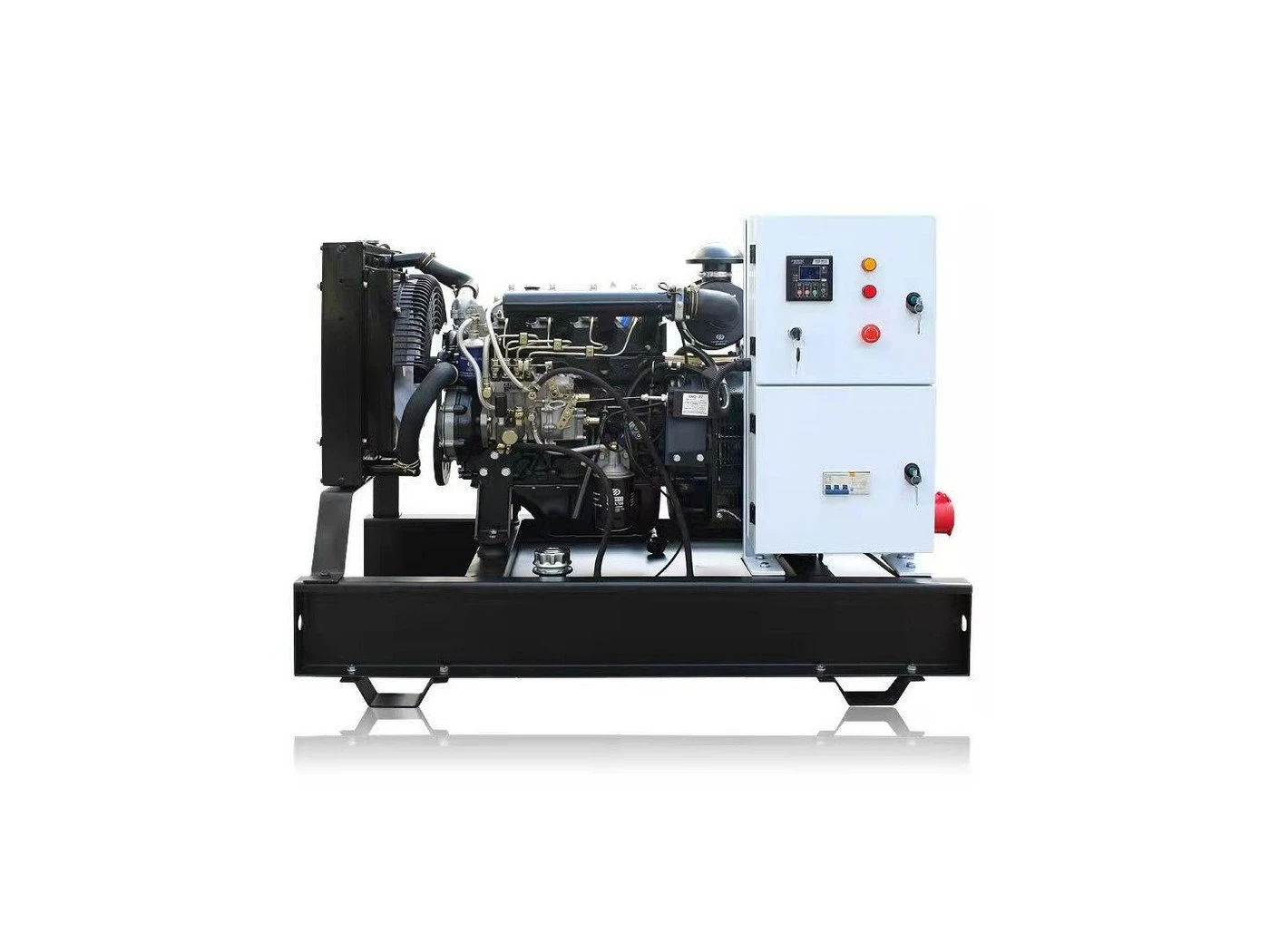
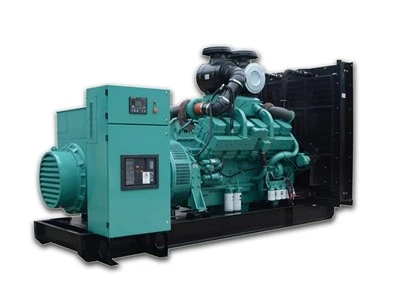
Alternative generator arrangement considered for specialty chemical blending plant through a planned utility-transformer outage
product-1400-1050

Service-access perspective used while reviewing mixers, transfer pumps, ventilation, dosing controls and spill-containment instruments, together with temporary metering, switching communications and outage-status displays
product-1200-900

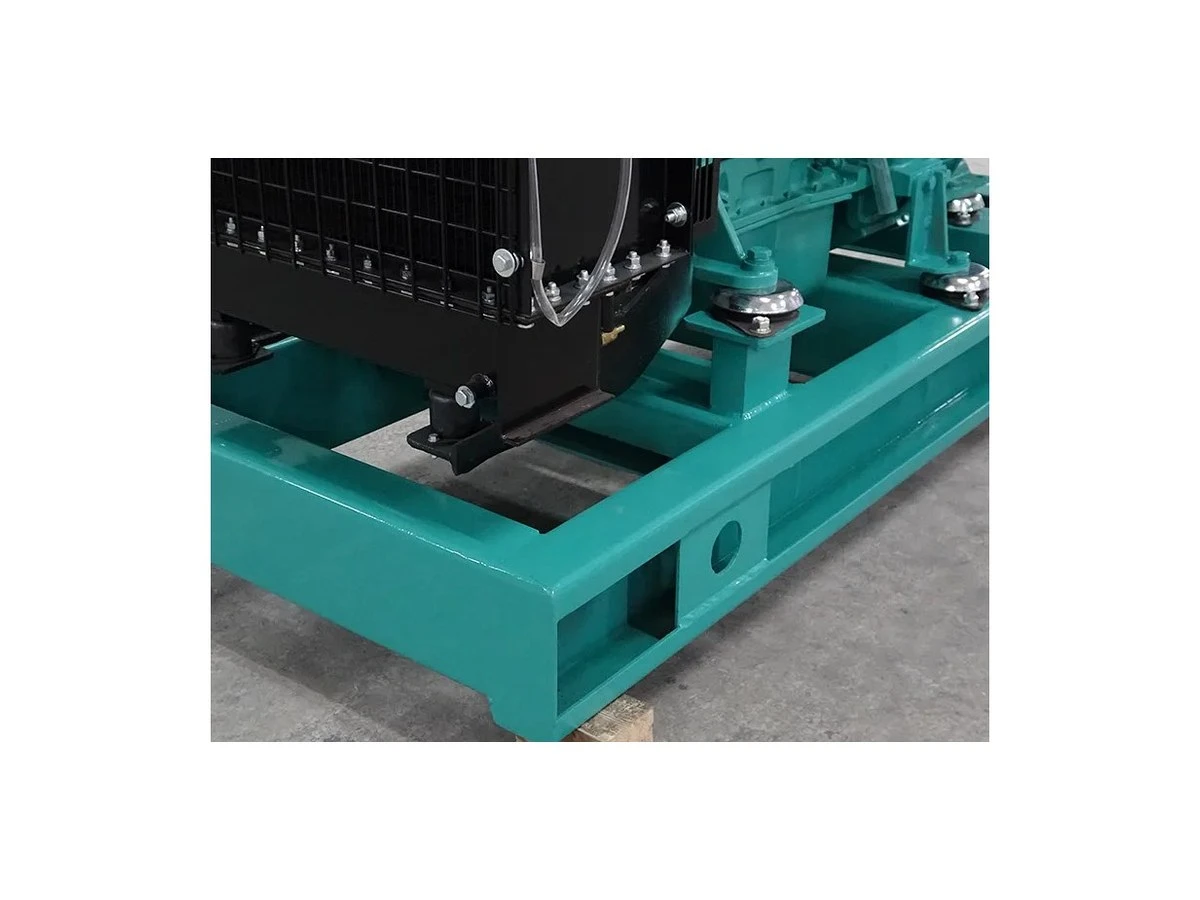
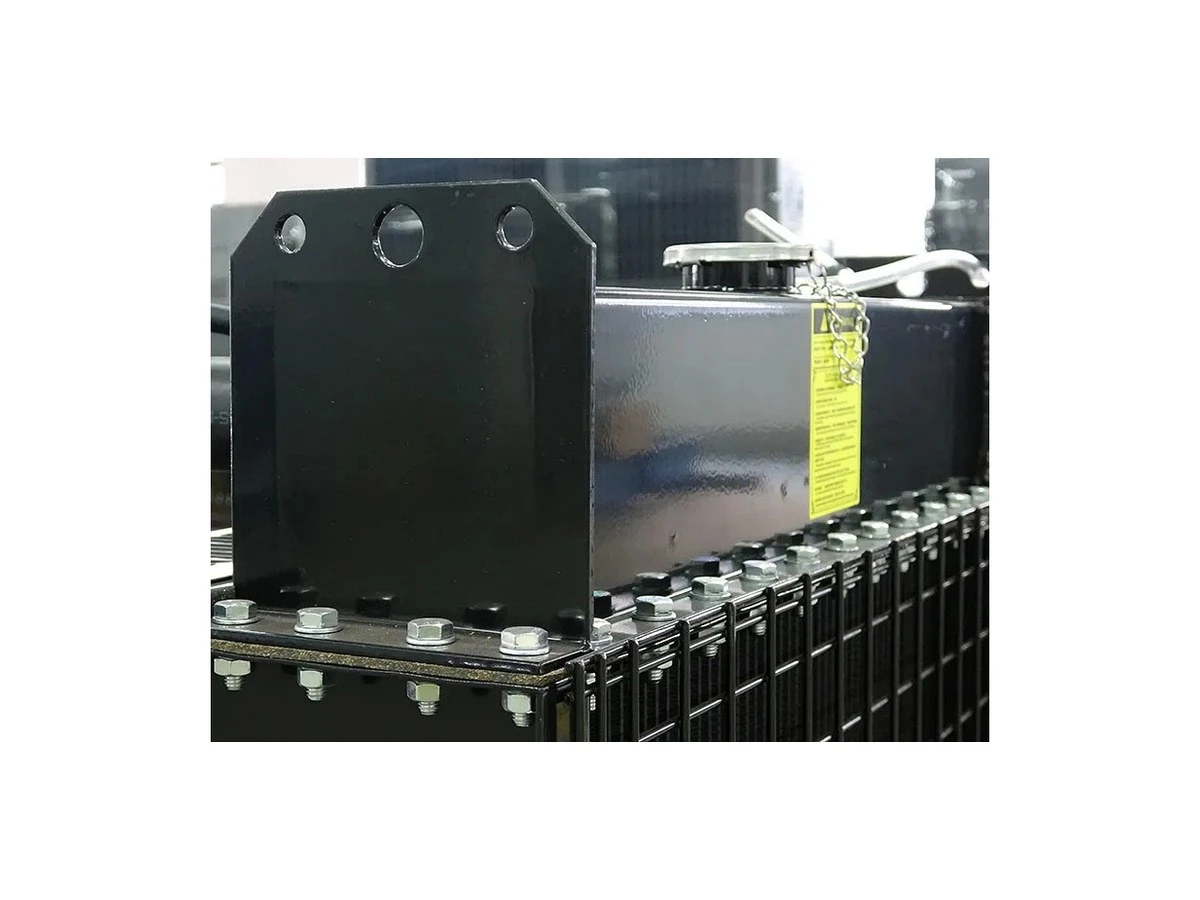
Mounting detail relevant to a controlled chemical area with classified zones, incompatible materials and strict permits, combined with a scheduled network intervention with switching boundaries, restoration notices and fallback actions
product-1200-900

Cooling or auxiliary component reviewed for part-filled vessels may require agitation or ventilation before any transfer can continue. In addition, the utility isolation window may change while the site remains committed to an agreed load plan

Factory Assembly and Technical Confirmation

product-1200-900

Assembly detail supporting the specialty chemical blending plant through a planned utility-transformer outage configuration check

Jiangsu Kaichen Electric Power Equipment Co., Ltd. coordinates the generator, controls and enclosure around the declared specialty chemical blending plant through a planned utility-transformer outage interfaces. Production follows the released drawing and option schedule so the site team receives one traceable package.


Frequently Asked Questions


Q: Does Kubota Gl11000 Lowboy Ii guarantee enough power for specialty chemical blending plant through a planned utility-transformer outage?

A: Not by itself. The specialty chemical blending plant through a planned utility-transformer outage duty, selected engine and alternator data, and agreed load sequence must support the final rating.

Q: How is part-filled vessels may require agitation or ventilation before any transfer can continue. In addition, the utility isolation window may change while the site remains committed to an agreed load plan checked?

A: Engineering data is collected around part-filled vessels may require agitation or ventilation before any transfer can continue. In addition, the utility isolation window may change while the site remains committed to an agreed load plan, then checked against the proposed order for mixers, transfer pumps, ventilation, dosing controls and spill-containment instruments, together with temporary metering, switching communications and outage-status displays; unresolved assumptions remain open items.

Q: Is verify ventilation and vessel status before releasing agitation, dosing and transfer equipment. The work also requires confirmed isolation, controlled transfer and signed return-to-normal sequence included automatically?

A: No automatic inclusion is assumed. The buyer and the plant manager, process-safety engineer and authorised electrical person and the transformer-outage manager must confirm the required verify ventilation and vessel status before releasing agitation, dosing and transfer equipment. The work also requires confirmed isolation, controlled transfer and signed return-to-normal sequence boundary.

Q: What changes because the site has a controlled chemical area with classified zones, incompatible materials and strict permits, combined with a scheduled network intervention with switching boundaries, restoration notices and fallback actions?

A: Materials, ventilation, service clearance and storage provisions are reviewed specifically for a controlled chemical area with classified zones, incompatible materials and strict permits, combined with a scheduled network intervention with switching boundaries, restoration notices and fallback actions.


Request a Kaichen Configuration Review


A project-specific Kubota Gl11000 Lowboy Ii offer starts with the operating sequence for mixers, transfer pumps, ventilation, dosing controls and spill-containment instruments, together with temporary metering, switching communications and outage-status displays, evidence concerning part-filled vessels may require agitation or ventilation before any transfer can continue. In addition, the utility isolation window may change while the site remains committed to an agreed load plan, and details of a controlled chemical area with classified zones, incompatible materials and strict permits, combined with a scheduled network intervention with switching boundaries, restoration notices and fallback actions. Submit these items to Kaichen Power for a documented technical selection.


PROJECT-SPECIFIC COMMISSIONING NOTES


Use this Kaichen Power checklist to convert the site brief into observable acceptance evidence. It supplements the product description and does not replace the confirmed engine, alternator, controller, emissions, enclosure, or performance datasheet.


Project Check 1: Construction Camp

Because extended cable runs can alter cooling, insulation, fuel handling, or access, the site drawing should record clearances and environmental protection rather than relying on a catalogue assumption. The review must separate steady demand from the starting behavior of resistive heaters and document which circuits may be delayed or shed. Before handover, the buyer and supplier should close open items for cabling, earthing, exhaust routing, drainage, lifting access, consumables, training, and spare parts. A witnessed load step should confirm documented fuel readiness while alarms, shutdowns, transfer contacts, and local fallback controls remain observable. For a construction camp, the project team should define the real operating sequence before approving the package. These checks describe the application basis for Kubota Gl11000 Lowboy Ii; final ratings and options remain governed by the approved project datasheet. At checkpoint KA-8864, technicians review alarm history and retain the result with the date, operating state, instrument used, and responsible person.


Project Check 2: Airport Hangar

For a airport hangar, the project team should define the real operating sequence before approving the package. These checks describe the application basis for Kubota Gl11000 Lowboy Ii; final ratings and options remain governed by the approved project datasheet. The review must separate steady demand from the starting behavior of induction motors and document which circuits may be delayed or shed. At checkpoint KA-8893, technicians torque accessible terminals and retain the result with the date, operating state, instrument used, and responsible person. A witnessed load step should confirm reduced weather exposure while alarms, shutdowns, transfer contacts, and local fallback controls remain observable. Because frequent utility sags can alter cooling, insulation, fuel handling, or access, the site drawing should record clearances and environmental protection rather than relying on a catalogue assumption. Before handover, the buyer and supplier should close open items for cabling, earthing, exhaust routing, drainage, lifting access, consumables, training, and spare parts.


Project Check 3: Broadcast Site

These checks describe the application basis for Kubota Gl11000 Lowboy Ii; final ratings and options remain governed by the approved project datasheet. At checkpoint KA-8922, technicians log oil pressure stability and retain the result with the date, operating state, instrument used, and responsible person. Before handover, the buyer and supplier should close open items for cabling, earthing, exhaust routing, drainage, lifting access, consumables, training, and spare parts. For a broadcast site, the project team should define the real operating sequence before approving the package. Because soft ground can alter cooling, insulation, fuel handling, or access, the site drawing should record clearances and environmental protection rather than relying on a catalogue assumption. A witnessed load step should confirm cleaner maintenance records while alarms, shutdowns, transfer contacts, and local fallback controls remain observable. The review must separate steady demand from the starting behavior of crane auxiliaries and document which circuits may be delayed or shed.


Project Check 4: Ceramics Workshop

For a ceramics workshop, the project team should define the real operating sequence before approving the package. Before handover, the buyer and supplier should close open items for cabling, earthing, exhaust routing, drainage, lifting access, consumables, training, and spare parts. The review must separate steady demand from the starting behavior of laboratory instruments and document which circuits may be delayed or shed. A witnessed load step should confirm repeatable inspection quality while alarms, shutdowns, transfer contacts, and local fallback controls remain observable. These checks describe the application basis for Kubota Gl11000 Lowboy Ii; final ratings and options remain governed by the approved project datasheet. At checkpoint KA-8951, technicians confirm emergency-stop logic and retain the result with the date, operating state, instrument used, and responsible person. Because acoustic limits can alter cooling, insulation, fuel handling, or access, the site drawing should record clearances and environmental protection rather than relying on a catalogue assumption.


Project Check 5: Stormwater Station

The review must separate steady demand from the starting behavior of control cabinets and document which circuits may be delayed or shed. A witnessed load step should confirm shorter fault isolation while alarms, shutdowns, transfer contacts, and local fallback controls remain observable. For a stormwater station, the project team should define the real operating sequence before approving the package. These checks describe the application basis for Kubota Gl11000 Lowboy Ii; final ratings and options remain governed by the approved project datasheet. Before handover, the buyer and supplier should close open items for cabling, earthing, exhaust routing, drainage, lifting access, consumables, training, and spare parts. At checkpoint KA-8980, technicians confirm earthing continuity and retain the result with the date, operating state, instrument used, and responsible person. Because salt-laden air can alter cooling, insulation, fuel handling, or access, the site drawing should record clearances and environmental protection rather than relying on a catalogue assumption.


Project Check 6: Solar-Storage Microgrid

At checkpoint KA-9009, technicians exercise the transfer sequence and retain the result with the date, operating state, instrument used, and responsible person. A witnessed load step should confirm reliable weekly exercise while alarms, shutdowns, transfer contacts, and local fallback controls remain observable. Before handover, the buyer and supplier should close open items for cabling, earthing, exhaust routing, drainage, lifting access, consumables, training, and spare parts. The review must separate steady demand from the starting behavior of packaging machines and document which circuits may be delayed or shed. Because long unattended intervals can alter cooling, insulation, fuel handling, or access, the site drawing should record clearances and environmental protection rather than relying on a catalogue assumption. These checks describe the application basis for Kubota Gl11000 Lowboy Ii; final ratings and options remain governed by the approved project datasheet. For a solar-storage microgrid, the project team should define the real operating sequence before approving the package.


Project Check 7: Water Treatment Plant

Before handover, the buyer and supplier should close open items for cabling, earthing, exhaust routing, drainage, lifting access, consumables, training, and spare parts. These checks describe the application basis for Kubota Gl11000 Lowboy Ii; final ratings and options remain governed by the approved project datasheet. At checkpoint KA-9038, technicians review fuel autonomy and retain the result with the date, operating state, instrument used, and responsible person. The review must separate steady demand from the starting behavior of fire pumps and document which circuits may be delayed or shed. A witnessed load step should confirm controlled thermal margin while alarms, shutdowns, transfer contacts, and local fallback controls remain observable. For a water treatment plant, the project team should define the real operating sequence before approving the package. Because winter icing can alter cooling, insulation, fuel handling, or access, the site drawing should record clearances and environmental protection rather than relying on a catalogue assumption.


Project Check 8: Mountain Telecom Relay

A witnessed load step should confirm easier service access while alarms, shutdowns, transfer contacts, and local fallback controls remain observable. The review must separate steady demand from the starting behavior of communications rectifiers and document which circuits may be delayed or shed. Because seasonal peak demand can alter cooling, insulation, fuel handling, or access, the site drawing should record clearances and environmental protection rather than relying on a catalogue assumption. These checks describe the application basis for Kubota Gl11000 Lowboy Ii; final ratings and options remain governed by the approved project datasheet. For a mountain telecom relay, the project team should define the real operating sequence before approving the package. Before handover, the buyer and supplier should close open items for cabling, earthing, exhaust routing, drainage, lifting access, consumables, training, and spare parts. At checkpoint KA-9067, technicians test low-level alarms and retain the result with the date, operating state, instrument used, and responsible person.


Project Check 9: Hospital Utility Wing

For a hospital utility wing, the project team should define the real operating sequence before approving the package. These checks describe the application basis for Kubota Gl11000 Lowboy Ii; final ratings and options remain governed by the approved project datasheet. A witnessed load step should confirm stable motor acceleration while alarms, shutdowns, transfer contacts, and local fallback controls remain observable. The review must separate steady demand from the starting behavior of battery chargers and document which circuits may be delayed or shed. Before handover, the buyer and supplier should close open items for cabling, earthing, exhaust routing, drainage, lifting access, consumables, training, and spare parts. Because fine mineral dust can alter cooling, insulation, fuel handling, or access, the site drawing should record clearances and environmental protection rather than relying on a catalogue assumption. At checkpoint KA-9096, technicians sample coolant condition and retain the result with the date, operating state, instrument used, and responsible person.


Project Check 10: Textile Dyeing Plant

For a textile dyeing plant, the project team should define the real operating sequence before approving the package. The review must separate steady demand from the starting behavior of process chillers and document which circuits may be delayed or shed. Before handover, the buyer and supplier should close open items for cabling, earthing, exhaust routing, drainage, lifting access, consumables, training, and spare parts. A witnessed load step should confirm better spare-parts planning while alarms, shutdowns, transfer contacts, and local fallback controls remain observable. At checkpoint KA-9125, technicians inspect belt alignment and retain the result with the date, operating state, instrument used, and responsible person. These checks describe the application basis for Kubota Gl11000 Lowboy Ii; final ratings and options remain governed by the approved project datasheet. Because tight service access can alter cooling, insulation, fuel handling, or access, the site drawing should record clearances and environmental protection rather than relying on a catalogue assumption.


Project Check 11: Port Reefer Yard

These checks describe the application basis for Kubota Gl11000 Lowboy Ii; final ratings and options remain governed by the approved project datasheet. For a port reefer yard, the project team should define the real operating sequence before approving the package. Before handover, the buyer and supplier should close open items for cabling, earthing, exhaust routing, drainage, lifting access, consumables, training, and spare parts. A witnessed load step should confirm clearer operator handover while alarms, shutdowns, transfer contacts, and local fallback controls remain observable. The review must separate steady demand from the starting behavior of conveyor motors and document which circuits may be delayed or shed. At checkpoint KA-9154, technicians check enclosure seals and retain the result with the date, operating state, instrument used, and responsible person. Because low fuel turnover can alter cooling, insulation, fuel handling, or access, the site drawing should record clearances and environmental protection rather than relying on a catalogue assumption.


Project Check 12: Ev Charging Plaza

Because persistent humidity can alter cooling, insulation, fuel handling, or access, the site drawing should record clearances and environmental protection rather than relying on a catalogue assumption. The review must separate steady demand from the starting behavior of refrigeration racks and document which circuits may be delayed or shed. A witnessed load step should confirm predictable restart behavior while alarms, shutdowns, transfer contacts, and local fallback controls remain observable. For a EV charging plaza, the project team should define the real operating sequence before approving the package. At checkpoint KA-9183, technicians drain separator water and retain the result with the date, operating state, instrument used, and responsible person. Before handover, the buyer and supplier should close open items for cabling, earthing, exhaust routing, drainage, lifting access, consumables, training, and spare parts. These checks describe the application basis for Kubota Gl11000 Lowboy Ii; final ratings and options remain governed by the approved project datasheet.


Hot Tags: kubota gl11000 lowboy ii, China kubota gl11000 lowboy ii manufacturers, suppliers, factory
Send Inquiry
Send Inquiry