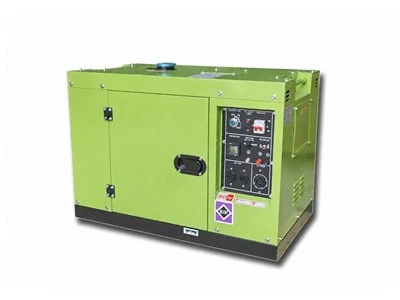
As a supplier of 15kw diesel generators, I understand that safety is of utmost importance when operating such equipment. While a 15kw diesel generator is a reliable and powerful source of backup power, it also poses certain risks if not used correctly. In this blog, I will discuss some essential safety precautions that you should take when using a 15kw diesel generator.


Installation and Placement
- Ventilation: One of the most critical safety aspects is proper ventilation. Diesel generators produce carbon monoxide (CO), a colorless, odorless, and deadly gas. Ensure that the generator is placed in a well - ventilated area, at least 15 feet away from any windows, doors, or vents. Never operate the generator indoors, in a garage, or in an enclosed shed, regardless of whether the doors are open. This will prevent the buildup of CO inside buildings, which can quickly lead to poisoning and even death.
- Stability: The generator should be placed on a level, stable surface. Uneven ground can cause the generator to vibrate excessively, which may lead to damage to the internal components over time. It can also increase the risk of the generator tipping over, which could be extremely dangerous, especially if it is running.
- Distance from Flammable Materials: Keep the generator at a safe distance from flammable materials such as gasoline, propane tanks, and dry vegetation. Diesel fuel is combustible, and any spill or ignition source near the generator can result in a fire.
Fuel Handling
- Fuel Storage: When storing diesel fuel for your generator, use approved fuel containers. These containers are designed to prevent leaks and spills and are made of materials that can safely hold the fuel. Store the fuel in a cool, dry place away from direct sunlight and heat sources. Avoid storing large quantities of fuel near the generator itself to reduce the risk of fire in case of an accident.
- Refueling: Always turn off the generator and let it cool down before refueling. Refueling a hot generator can cause the fuel to ignite, leading to a fire. Also, be careful not to overfill the fuel tank, as spilled fuel is a fire hazard.
Electrical Safety
- Proper Wiring: Use heavy - duty, outdoor - rated extension cords that are rated for the amperage and voltage of your generator. Make sure the cords are in good condition, without any frayed wires or damaged insulation. Always plug the appliances directly into the generator's outlets or use a transfer switch installed by a qualified electrician if you are connecting the generator to your home's electrical system.
- Grounding: Ensure that the generator is properly grounded. Grounding helps to protect against electrical shocks by providing a path for excess electricity to safely dissipate into the ground. Follow the manufacturer's instructions for grounding the generator, which typically involves driving a grounding rod into the earth and connecting it to the generator.
- Overloading: Do not overload the generator. Each generator has a maximum power output, and exceeding this limit can cause damage to the generator and the connected appliances. Calculate the total power consumption of the appliances you plan to connect and make sure it is within the generator's rated capacity.
Maintenance and Inspection
- Regular Maintenance: Follow the manufacturer's recommended maintenance schedule. This includes changing the oil, air filter, and fuel filter at the specified intervals. Regular maintenance helps to keep the generator running smoothly and reduces the risk of breakdowns that could lead to safety hazards.
- Visual Inspections: Before each use, conduct a visual inspection of the generator. Check for any loose bolts, leaks (fuel, oil, or coolant), or damaged components. Look for signs of wear and tear on the electrical cords and outlets. If you notice any issues, do not operate the generator until it has been repaired.
Operating Procedures
- Read the Manual: Before operating the 15kw diesel generator, thoroughly read the user manual. The manual contains important information about the generator's operation, safety features, and maintenance requirements. Familiarize yourself with all the controls, switches, and warning signs on the generator.
- Wearing Protective Gear: When operating the generator, wear appropriate protective gear such as safety glasses, gloves, and ear protection. Diesel generators can be noisy, and prolonged exposure to high - level noise can cause hearing damage. Safety glasses and gloves protect you from any potential splashes of fuel, oil, or coolant.
- Emergency Stop: Know the location of the emergency stop switch on the generator. In case of an emergency, such as a fire, excessive vibration, or a malfunction, you should be able to quickly turn off the generator.
Additional Considerations for Different Power Ratings
If you have specific power requirements that exceed the capacity of a 15kw diesel generator, we also offer higher - capacity models such as the 50kw Diesel Generator, 75kw Diesel Generator, 100KW Eelectric Diesel Generator, and 100kw Diesel Generator Set. Additionally, for those with slightly lower power needs, our 10kw Diesel Generator Set is a great option. The safety precautions for these generators are similar to those of the 15kw model, but always refer to the specific user manual for each unit.
Conclusion
In conclusion, using a 15kw diesel generator safely requires careful attention to installation, fuel handling, electrical safety, maintenance, and operating procedures. By following these safety precautions, you can minimize the risks associated with generator use and ensure a reliable source of power when you need it most.
If you are in the market for a 15kw diesel generator or any of our other models, we are here to assist you. We can provide detailed information about product features, safety, and performance. Feel free to contact us to start a purchasing discussion. Our team of experts is ready to help you find the perfect generator to meet your needs.
References
- Manufacturer's user manuals for 15kw, 50kw, 75kw, 100kw diesel generators.
- Occupational Safety and Health Administration (OSHA) guidelines on generator safety.