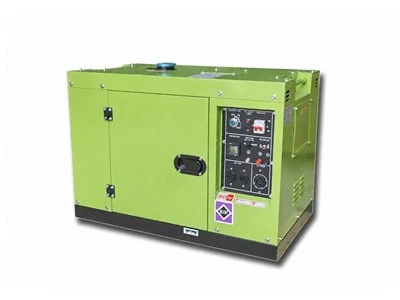
Hey there! As a supplier of the best electricity generators, I've been in the thick of helping factories find the perfect power solutions for ages. Today, I'm gonna spill the beans on what makes the ideal electricity generator for factories, so let's jump right in.
First off, why does a factory even need an electricity generator? Well, power outages can strike anytime. Whether it's due to a storm, grid maintenance, or some unforeseen technical glitch, a factory can't afford to halt production. That's where a reliable generator steps in, keeping the lights on and the machines running.
When we talk about the best generator for a factory, there are a bunch of factors to consider. The most obvious one is power capacity. You need to figure out exactly how much electricity your factory consumes. To do this, you can look at your past electricity bills to see the peak usage periods. Factories have different power demands based on the type of machinery they use. For example, a metal - working factory with heavy - duty welding machines and large lathes will need a generator with a much higher capacity than a textile factory with mainly sewing machines.


Another key factor is fuel type. There are several options out there, but diesel generators are hands - down a top choice for most factories. Diesel is easy to store, has a high energy density, and diesel engines are known for their durability. They can handle long - term, heavy - load operations without breaking a sweat. And let's not forget, diesel generators generally have a faster startup time compared to some other types, which is crucial when you need to restore power quickly during an outage.
Now, let me introduce you to some of our top - selling diesel generators that are great for factories:
- 450KW Large Diesel Generator: This bad boy is a real powerhouse. It's suitable for medium - sized factories that have a decent amount of machinery running simultaneously. It can provide stable power for a wide range of equipment, from conveyor belts to small - scale manufacturing machines.
- 100kw Diesel Generator Set: If you have a smaller factory or just need a backup for some essential equipment, this generator is a solid option. It's compact, easy to install, and can keep your critical systems running during power disruptions.
- 1000kw Diesel Generator Set: For large - scale factories with high - power machinery like industrial furnaces and large compressors, this generator is a game - changer. It can handle the most demanding power requirements and provide a continuous and reliable power supply.
- 30kw Diesel Generator: This is a great choice for factories with relatively low power needs, such as those in light assembly or small - scale packaging operations. It offers a cost - effective solution for keeping the basic operations going.
- 500kw Diesel Generator Set: Sitting right in the middle of the power range, this generator is versatile and can serve a variety of factory needs. It can support a mix of medium - sized machinery and electrical systems.
But power capacity and fuel type aren't the only things to think about. You also need to consider reliability and maintenance. A generator that breaks down frequently is a nightmare for a factory. Look for generators with a good track record of reliability. Brands that have been in the business for a long time usually have better - engineered products. As for maintenance, choose a generator that's easy to service. Some generators come with self - diagnostic systems that can detect potential problems early, saving you time and money on repairs.
Noise is another factor, especially if your factory is in an area with strict noise regulations or near residential areas. Diesel generators can be noisy, but modern ones are designed with better sound - insulation technology. You can look for generators with enclosed enclosures that reduce the noise level significantly.
Cost is always a concern. When calculating the cost of a generator, don't just look at the upfront price. Consider the long - term costs, including fuel consumption, maintenance, and repair. A more expensive generator with higher fuel efficiency and lower maintenance requirements might actually save you money in the long run.
Let's talk about installation. Make sure you have a proper installation plan in place. The generator needs to be installed in a well - ventilated area to prevent the buildup of exhaust gases. It should also be easily accessible for maintenance. And don't forget about electrical connections. You need to ensure that the generator is properly connected to your factory's electrical system to avoid any safety hazards.
In addition to diesel generators, there are also other types of generators you can consider. Natural gas generators are becoming more popular as natural gas is a cleaner - burning fuel. They can be a good option if you have access to a natural gas supply. However, they might not be as suitable for factories that need to operate in remote areas without a natural - gas infrastructure.
Solar generators are another alternative. They use the power of the sun to generate electricity, which is clean and renewable. But they're highly dependent on sunlight, so they might not be a reliable sole source of power for a factory, especially if your production runs 24/7. They can work well as a supplementary power source, though.
When choosing the best generator for your factory, it's also a good idea to consult with an expert. We at [our company] have a team of experienced technicians who can assess your factory's power needs and recommend the most suitable generator. They can also help with installation and provide ongoing maintenance services.
So, if you're in the market for an electricity generator for your factory, don't hesitate to reach out. We're here to help you find the perfect solution that fits your budget, power requirements, and operational needs. Whether it's a small backup generator or a large - scale industrial powerhouse, we've got you covered. Let's get your factory powered up and running smoothly!
References
- Diesel Generator Handbook. Various industry - published guides on diesel generator operations and selection.
- "Advances in Power Generation Technologies" from leading engineering journals discussing different types of generators.
- Personal experience and knowledge from years of working as a electricity generator supplier.