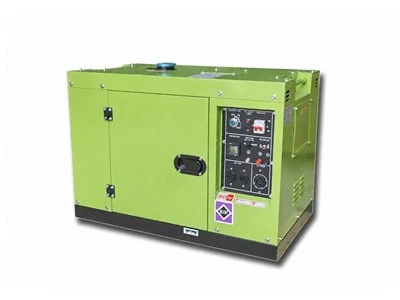
Portable electricity generators have become indispensable tools in various scenarios, from outdoor adventures to emergency power solutions. As a well - established supplier of portable electricity generators, I often receive inquiries about the versatility of these devices. One common question that comes up is, "Can a portable electricity generator be used to power a hair dryer?" In this blog, we'll delve into the technical aspects, limitations, and practical considerations to answer this query comprehensively.
Understanding the Basics: Power Requirements of Hair Dryers
Hair dryers are electrical appliances designed to generate heat and blow air simultaneously. The power consumption of a hair dryer can vary significantly depending on its size, features, and settings. On average, most household hair dryers have a power rating ranging from 1000 to 2000 watts. Some high - end or professional - grade hair dryers can even exceed 2000 watts.
The power rating of an appliance is crucial because it determines how much electrical energy the device needs to operate effectively. When considering using a portable electricity generator to power a hair dryer, we need to ensure that the generator can supply enough power without overloading.
Power Output of Portable Electricity Generators
Portable electricity generators come in a wide range of power outputs, typically measured in watts. Smaller, more portable models may have a power output of around 1000 - 2000 watts, which is suitable for charging small electronic devices, powering LED lights, or running a small fan. Medium - sized generators can offer power outputs between 2000 - 4000 watts, and larger, more heavy - duty models can provide 4000 watts or more.
To power a hair dryer, we need a generator with a sufficient continuous power output. The continuous power output indicates the amount of power the generator can supply over an extended period without overheating or causing damage. For example, if you have a hair dryer with a power rating of 1500 watts, you'll need a generator with a continuous power output of at least 1500 watts. However, it's advisable to choose a generator with some extra capacity to account for possible power surges when the hair dryer is first turned on.
Factors to Consider When Using a Generator to Power a Hair Dryer
Surge Power
Many electrical appliances, including hair dryers, require a higher amount of power (surge power) when they are first started compared to their normal operating power. This is because the motor and heating elements need an initial boost to start up. Therefore, when selecting a generator, you need to consider both the continuous power output and the surge power capacity. A generator should have a surge power rating high enough to handle the initial power demand of the hair dryer without tripping the circuit breaker.


Fuel Type
Portable generators can run on different types of fuel, such as gasoline, diesel, or propane. Each fuel type has its own advantages and disadvantages. Gasoline - powered generators are widely available and relatively inexpensive, but they tend to be noisier and require more frequent refueling. Diesel - powered generators, on the other hand, are more fuel - efficient, have a longer lifespan, and can provide more power. However, they are usually more expensive upfront. Propane - powered generators offer clean - burning fuel, lower emissions, and longer storage times.
If you plan to use a generator to power a hair dryer, you need to choose a fuel type that suits your needs. For example, if you're using the hair dryer in a well - ventilated outdoor area, a gasoline - powered generator might be a good option. But if you need a more efficient and long - term power solution, a diesel - powered generator could be more appropriate. We offer a variety of generators with different fuel types, including our Mining Continuous Duty Diesel Generator, Underground Mining Diesel Generator, Mining Heavy Duty Diesel Generator, Open Pit Mining Diesel Generator, and Mining Standby Diesel Generator. These diesel - powered generators are designed for heavy - duty use and can provide reliable power for various applications, including powering hair dryers in appropriate settings.
Noise Level
Hair dryers themselves can be quite noisy, and adding a noisy generator to the mix can be a nuisance. When using a generator to power a hair dryer, especially in a residential area or a quiet environment, it's important to choose a generator with a low noise level. Some generators are designed with noise - reducing features, such as sound - insulated enclosures or mufflers.
Practical Applications and Scenarios
Outdoor Events
Imagine you're at an outdoor wedding or a music festival, and someone needs to quickly fix their hair. A portable electricity generator can come in handy. By connecting a hair dryer to a suitable generator, you can provide a convenient hair - styling solution even in a location without access to a traditional power grid.
Emergency Situations
During power outages, having a portable generator to power essential appliances can make a big difference. A hair dryer might not be the most critical device in an emergency, but it can be useful for drying wet hair or providing some warmth in cold conditions.
Remote Locations
If you're traveling to a remote area, such as a camping site or a cabin in the mountains, and you want to maintain your hair - styling routine, a portable generator can power your hair dryer. This allows you to enjoy the comforts of home even in the great outdoors.
Safety Considerations
Ventilation
Generators produce carbon monoxide, a colorless and odorless gas that can be deadly if inhaled in high concentrations. When using a generator to power a hair dryer, it's essential to operate the generator in a well - ventilated area, away from windows, doors, and vents. Never use a generator indoors or in a confined space.
Electrical Safety
Make sure to use the appropriate electrical cords and connections when connecting the hair dryer to the generator. Check the cords for any signs of damage, and ensure that they can handle the power load. Avoid overloading the generator by connecting too many appliances at once.
Conclusion
In conclusion, a portable electricity generator can be used to power a hair dryer, provided that the generator has a sufficient power output (both continuous and surge power), and you take into account factors such as fuel type, noise level, and safety. As a supplier of portable electricity generators, we offer a wide range of products to meet your specific needs. Whether you're looking for a small, portable generator for occasional use or a heavy - duty generator for more demanding applications, we have the right solution for you.
If you're interested in purchasing a portable electricity generator for powering a hair dryer or other appliances, we encourage you to contact us for more information. Our team of experts is ready to assist you in selecting the most suitable generator for your requirements. We can provide detailed product specifications, pricing, and after - sales support. Don't hesitate to reach out and start a discussion about your power needs.
References
- Electrical Engineering Handbook, Third Edition, CRC Press
- Consumer Reports - Appliance Power Ratings
- Generator Manufacturer's Product Manuals