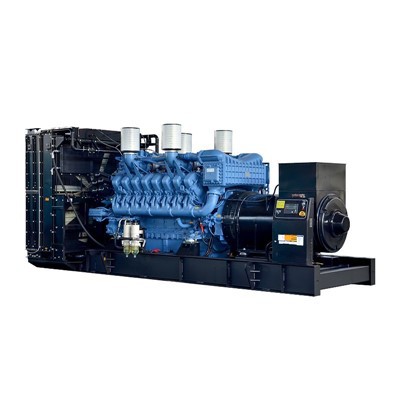
As a supplier of Portable Diesel Generator Sets, I often encounter various questions from customers about the performance and compatibility of our products. One question that frequently comes up is whether incorrect frequency can affect the performance of connected equipment. In this blog post, I'll delve into this topic in detail, exploring how frequency works, the potential impacts of incorrect frequency, and how our diesel generators can ensure stable power output.
Understanding Frequency in Electrical Power
Before we discuss the effects of incorrect frequency, it's essential to understand what frequency means in the context of electrical power. Frequency is the number of cycles per second that an alternating current (AC) completes. In most parts of the world, the standard frequency for electrical power is either 50 Hz or 60 Hz. This frequency is crucial because it determines the speed at which electrical devices operate and how they interact with the power supply.
For example, motors and generators are designed to run at a specific frequency. The speed of an AC motor is directly proportional to the frequency of the power supply. A change in frequency can cause the motor to run too fast or too slow, affecting its efficiency and potentially leading to damage over time. Similarly, electronic devices such as computers, televisions, and audio equipment rely on a stable frequency to function correctly.


Impact of Incorrect Frequency on Connected Equipment
1. Motor - Operated Equipment
Motors are extremely sensitive to frequency changes. When the frequency is too high, motors will run faster than their designed speed. This increased speed can lead to overheating, as the motor's cooling mechanism may not be able to keep up with the higher operating temperature. Additionally, the increased mechanical stress on the motor's components can cause premature wear and tear, reducing its lifespan.
Conversely, when the frequency is too low, motors will run slower. This can result in reduced torque output, which may cause the motor to stall under heavy loads. In pumping systems, for example, a low - frequency power supply can lead to reduced water flow, affecting the overall performance of the system.
2. Electronic Devices
Electronic devices are also highly dependent on a stable frequency. Modern electronics use internal clocks that are synchronized with the power supply frequency. An incorrect frequency can disrupt these internal clocks, leading to malfunctions such as display errors, data corruption, or even system crashes.
For instance, in a computer system, the instability caused by an incorrect frequency can affect the timing of data transfer between components, potentially leading to hard drive errors or software glitches. In audio and video equipment, the wrong frequency can cause distortion, humming, or other audio - visual artifacts.
3. Transformers
Transformers are used to change the voltage levels of electrical power. They are designed to operate at a specific frequency, and a change in frequency can affect their performance. When the frequency is too high, the core of the transformer may saturate, leading to increased losses and overheating. On the other hand, a low frequency can cause the transformer to draw more current than normal, which can also result in overheating and potential damage.
How Our Portable Diesel Generator Sets Ensure Stable Frequency
At our company, we understand the importance of providing a stable power supply with the correct frequency. Our Portable Diesel Generator Sets are equipped with advanced control systems that regulate the engine speed and, consequently, the output frequency.
These control systems continuously monitor the frequency of the power output and adjust the engine's throttle to maintain a stable frequency. Whether you are using our Diesel Generator For Camping in a remote area or our 5kw Diesel Generator Set for industrial backup, you can be confident that the connected equipment will receive a reliable power supply with the correct frequency.
Our 8kw Diesel Generator is another example of our commitment to quality and performance. It is designed to provide a stable power output, even under varying loads. The generator's engine is carefully calibrated to maintain the standard frequency, ensuring that all connected equipment operates at its optimal level.
Importance of Choosing the Right Generator for Your Equipment
Selecting the right generator for your equipment is crucial to avoid the problems associated with incorrect frequency. When choosing a generator, you need to consider the power requirements and frequency sensitivity of your equipment.
If you have sensitive electronic devices, such as medical equipment or high - end audio systems, you may need a generator with a more precise frequency control system. Our generators are available in different power ratings and configurations to meet the diverse needs of our customers. Whether you need a small generator for camping or a large one for industrial use, we can provide you with a solution that ensures stable frequency and reliable performance.
Contact Us for Your Generator Needs
If you are in the market for a Portable Diesel Generator Set, we invite you to contact us for more information. Our team of experts is ready to assist you in choosing the right generator for your specific requirements. We can provide detailed product specifications, technical support, and pricing information to help you make an informed decision.
Investing in a high - quality generator from a reliable supplier is essential to protect your equipment from the negative effects of incorrect frequency. With our Portable Diesel Generator Sets, you can ensure that your equipment receives a stable and reliable power supply, allowing it to operate at its best.
References
- Chapman, S. J. (2012). Electric Machinery Fundamentals. McGraw - Hill Education.
- Fitzgerald, A. E., Kingsley, C., & Umans, S. D. (2003). Electric Machinery. McGraw - Hill.