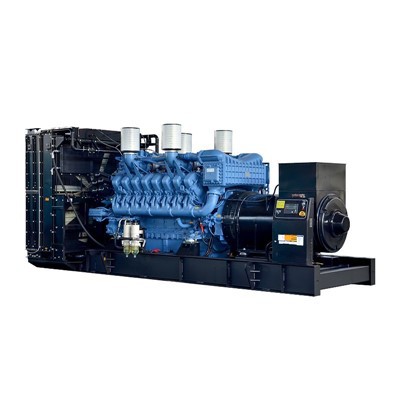
Hey there! As a supplier of Open Type Diesel Generators, I often get asked how these bad boys differ from their closed - type counterparts. So, let's dive right into it and explore the key differences between open - type and closed - type diesel generators.
1. Design and Structure
First off, let's talk about the design. An Open Type Diesel Generator is, well, open. It doesn't have an enclosed casing around the core components like the engine, generator, and control panel. This bare - bones design means that all the important bits are out in the open and easily visible. You can see the belts turning, the engine pistons moving, and all the electrical connections.


On the other hand, a closed - type diesel generator comes in a fully enclosed sound - proof and weather - proof casing. This casing is usually made of metal or a durable composite material. It's like a protective shell that shields the internal components from external elements such as rain, dust, and extreme temperatures.
The open design of our Open Type Diesel Generator offers some real advantages. For one, it makes maintenance super easy. Technicians can quickly access any part of the generator for inspection, repair, or replacement. There's no need to remove panels or deal with tight spaces. You just walk up to the generator and get to work. It's also great for troubleshooting. Since everything is visible, it's easier to spot issues like a loose belt or a leaking hose.
Closed - type generators, however, are built for environments where protection is a top priority. If you're using the generator in a construction site exposed to all kinds of weather or in a marine setting like on a ship, the closed design keeps the components safe. They're also a better choice for areas where noise is a concern because the casing helps to dampen the sound produced by the engine.
2. Noise Levels
Noise is a big deal when it comes to diesel generators. Open Type Diesel Generators are generally noisier than their closed - type counterparts. The lack of a casing means that the sound produced by the engine, the exhaust, and the moving parts can escape freely into the environment. The noise level of an open - type generator can range from 70 to 100 decibels or even higher, depending on the size and power output of the generator.
Closed - type generators, with their sound - proof casings, are much quieter. The casing is designed to absorb and reflect the sound waves, reducing the amount of noise that reaches the outside. In some cases, the noise reduction can be significant, with the generator operating at around 60 decibels or lower. This makes closed - type generators a popular choice for residential areas, hospitals, and other places where noise needs to be kept to a minimum.
But hey, if you're using the generator in an industrial setting like a factory or a construction site where noise isn't as big of an issue, an open - type generator might be a better fit. You won't have to worry about the extra cost associated with the sound - proofing features of a closed - type generator.
3. Cooling and Ventilation
Cooling and ventilation are crucial for the proper functioning of a diesel generator. Open Type Diesel Generators have a more natural approach to cooling. Since the components are exposed to the air, they can dissipate heat more easily. The open design allows for a free flow of air around the engine and the generator, helping to keep the temperature in check.
Closed - type generators rely on a more complex cooling and ventilation system. The casing restricts the natural airflow, so the generator needs fans and ducts to circulate air inside the enclosure. These systems are designed to draw in cool air from the outside and expel the hot air generated by the engine. Additionally, closed - type generators may have a radiator or a heat exchanger to further cool the engine coolant.
The advantage of the open - type's simple cooling system is that it's less likely to malfunction. There are fewer parts that can break down, and it's easier to clean and maintain. Closed - type generators, while more complex, are better suited for environments where the generator needs to operate continuously in high - temperature conditions. The enclosed cooling system can provide more consistent cooling, which helps to extend the lifespan of the generator.
4. Cost
Cost is always a factor when making a purchasing decision. Open Type Diesel Generators are generally more affordable than closed - type generators. The simpler design means that there are fewer materials and components involved, which translates to a lower manufacturing cost. Additionally, the lack of a sound - proof and weather - proof casing further reduces the price.
Closed - type generators, with their advanced features and protective enclosures, come with a higher price tag. The cost of the casing, the cooling and ventilation system, and the sound - proofing materials all add up. However, you're also paying for the added benefits of protection and noise reduction.
If you're on a tight budget and can tolerate the noise and don't need extreme protection for the generator, an open - type generator might be the way to go. But if you're looking for a long - term investment and need a generator that can withstand harsh conditions and operate quietly, a closed - type generator is worth the extra cost.
5. Mobility and Installation
When it comes to mobility, Open Type Diesel Generators are often easier to move around. Since they're lighter and don't have the additional weight of the casing, they can be loaded onto trucks or trailers more easily. They're also more straightforward to install. You just need to find a flat and stable surface, secure the generator, and connect the necessary electrical and fuel lines.
Closed - type generators are bulkier and heavier due to the casing. Moving them requires more specialized equipment, such as forklifts or cranes. Installation is also more complex. You need to ensure that the ventilation system is properly connected and that the casing is sealed to prevent any water or dust from entering.
6. Applications
The choice between an open - type and a closed - type diesel generator also depends on the application. Open Type Diesel Generators are commonly used in industrial settings where noise is not a major concern and where easy access for maintenance is required. They're perfect for construction sites, mines, and factories.
Closed - type generators are more suitable for applications where noise reduction and environmental protection are essential. They're widely used in residential areas as Standby Diesel Generator Set, hospitals, data centers, and Marine Diesel Generator Set on boats and ships.
Conclusion
So, there you have it! The main differences between Open Type Diesel Generators and closed - type ones. Each type has its own set of advantages and disadvantages, and the right choice depends on your specific needs and requirements.
If you're in the market for an Open Type Diesel Generator, I'd love to have a chat with you. We've got a great range of generators that are reliable, efficient, and built to last. Whether you need a small generator for a DIY project or a large one for an industrial application, we can help you find the perfect fit. Don't hesitate to reach out and start a conversation about your power needs.
References
- Diesel Generator Handbook, various industry publications
- Manufacturer's specifications and technical documents for open and closed - type diesel generators