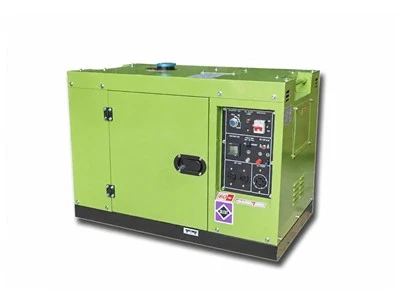
Hey there! As a supplier of Standby Diesel Generator Sets, I've seen firsthand how crucial it is to keep the fuel system in tip - top shape. A well - maintained fuel system ensures that your standby diesel generator set runs smoothly and is ready to kick in when you need it most. So, let's dive into how you can maintain the fuel system of a standby diesel generator set.
Regular Fuel Inspections
The first step in maintaining your fuel system is to conduct regular fuel inspections. You should check the fuel for any signs of contamination, such as water, dirt, or debris. Water in the fuel can cause corrosion in the fuel system components and lead to poor engine performance. You can use a water - detecting paste or a fuel - water separator to check for water in the fuel.
Dirt and debris can clog the fuel filters, injectors, and other components of the fuel system. To check for dirt and debris, you can visually inspect the fuel in a clear container. If you notice any particles floating in the fuel, it's time to take action. You can also use a fuel sampling kit to analyze the fuel for contaminants.
Keep the Fuel Clean
One of the best ways to maintain the fuel system is to keep the fuel clean. You should store the fuel in a clean, sealed container to prevent contamination. Make sure the container is made of a material that is compatible with diesel fuel. Avoid storing the fuel in containers that have previously held other chemicals, as these can leave residues that contaminate the fuel.
When refueling the generator, use a clean funnel and make sure the fuel nozzle is clean. This will prevent dirt and debris from entering the fuel tank. Also, try to buy fuel from a reputable supplier. High - quality fuel is less likely to contain contaminants.
Replace Fuel Filters Regularly
Fuel filters play a vital role in the fuel system. They trap dirt, debris, and other contaminants before they reach the engine. Over time, the filters can become clogged, which restricts the flow of fuel to the engine. This can lead to poor engine performance, reduced power output, and even engine damage.
You should replace the fuel filters according to the manufacturer's recommendations. Typically, this is every few hundred hours of operation or at regular intervals, such as every six months. If you notice a decrease in engine performance or an increase in fuel consumption, it might be a sign that the fuel filters need to be replaced.
Maintain the Fuel Pump
The fuel pump is responsible for delivering fuel from the tank to the engine. It needs to be in good working condition for the generator to run properly. You should check the fuel pump regularly for any signs of leaks, damage, or wear. If you notice any issues, it's important to have the pump repaired or replaced as soon as possible.


Lubricate the fuel pump as recommended by the manufacturer. This will help reduce friction and wear, and extend the life of the pump. Also, make sure the fuel pump is properly calibrated. An improperly calibrated fuel pump can cause the engine to run too rich or too lean, which can lead to poor performance and increased emissions.
Check the Fuel Injectors
Fuel injectors are responsible for spraying the fuel into the engine cylinders at the right time and in the right amount. If the injectors are dirty or clogged, they can cause poor engine performance, misfires, and increased fuel consumption.
You should have the fuel injectors cleaned and tested regularly. Some modern generators have self - diagnostic systems that can detect problems with the injectors. If you don't have a self - diagnostic system, you can use a fuel injector tester to check the performance of the injectors. If the injectors are not working properly, they may need to be replaced.
Monitor the Fuel Level
It's important to monitor the fuel level in the generator's tank regularly. Running the generator out of fuel can cause air to enter the fuel system, which can lead to starting problems and damage to the fuel pump and injectors.
Set up a schedule to check the fuel level and refill the tank as needed. If you know that you'll be relying on the generator for an extended period, it's a good idea to have extra fuel on hand.
Consider Using Fuel Additives
Fuel additives can help improve the performance and longevity of the fuel system. There are different types of fuel additives available, such as detergents, antioxidants, and anti - microbial agents.
Detergent additives can help keep the fuel injectors and other components clean. Antioxidants prevent the fuel from oxidizing, which can lead to the formation of gums and varnishes. Anti - microbial agents can prevent the growth of bacteria and fungi in the fuel, which can cause fuel degradation and clog the fuel system.
Train Your Staff
If you have employees who are responsible for operating and maintaining the standby diesel generator set, it's important to train them properly. They should know how to perform basic maintenance tasks, such as checking the fuel level, inspecting the fuel system, and replacing the fuel filters.
Training will also help them recognize the signs of fuel system problems and take appropriate action. This can prevent minor issues from turning into major problems and ensure that the generator is always ready to operate when needed.
Our Product Range
As a supplier of Standby Diesel Generator Sets, we offer a wide range of products to meet your needs. You can check out our 1200 KW Cummins Silent Generator, which is perfect for large - scale industrial applications. If you're looking for a more basic option, our Open Type Diesel Generator is a great choice.
We also have Standby Diesel Generator Set for general standby power needs, Construction Diesel Generator for construction sites, and Marine Diesel Generator Set for marine applications.
Contact Us for Purchase
If you're interested in purchasing a standby diesel generator set or have any questions about fuel system maintenance, don't hesitate to reach out. We're here to help you make the right choice and ensure that your generator runs smoothly for years to come.
References
- Diesel Generator Maintenance Manuals from various manufacturers
- Industry publications on diesel engine fuel systems
- Technical guides on diesel fuel quality and handling