


As a supplier of Soundproof Diesel Generators, I understand the importance of maintaining every component of these machines to ensure their optimal performance and longevity. One of the most critical parts of a diesel generator is the turbocharger. In this blog, I'll share some essential tips on how to maintain the turbocharger of a soundproof diesel generator.
Understanding the Turbocharger
Before delving into maintenance, it's crucial to understand what a turbocharger does. A turbocharger is a forced - induction device that increases the amount of air entering the engine. It consists of a turbine and a compressor connected by a shaft. The exhaust gases from the engine spin the turbine, which in turn drives the compressor to compress the incoming air. This process allows the engine to burn more fuel and produce more power, improving the overall efficiency of the diesel generator.
Regular Inspections
Regular inspections are the cornerstone of turbocharger maintenance.
- Visual Inspection: Check the turbocharger for any signs of physical damage, such as cracks, leaks, or loose connections. Look at the housing, intake and exhaust pipes, and the oil and coolant lines. Pay special attention to the compressor and turbine wheels. Any damage to these parts can significantly affect the turbocharger's performance.
- Check for Oil Leaks: The turbocharger is lubricated by engine oil. Inspect the oil supply and return lines for leaks. A leaking oil line can cause a drop in oil pressure, leading to insufficient lubrication of the turbocharger's bearings. If you notice oil around the turbocharger or on the engine, it's a sign of a potential problem.
- Examination of the Air Intake: Ensure that the air intake system is clean and free of debris. A clogged air filter can restrict the airflow to the compressor, reducing its efficiency and potentially causing damage to the turbocharger. Replace the air filter according to the manufacturer's recommendations.
Proper Lubrication
Lubrication is vital for the smooth operation of the turbocharger.
- Use the Right Oil: Always use the oil recommended by the generator manufacturer. The oil should have the appropriate viscosity and quality to ensure proper lubrication of the turbocharger's bearings. Using the wrong oil can lead to increased wear and tear and may even cause the turbocharger to fail.
- Maintain Oil Levels: Regularly check the engine oil level. Low oil levels can starve the turbocharger of lubrication, leading to overheating and premature failure. If the oil level is low, add the recommended oil to bring it to the proper level.
- Change the Oil Regularly: Regular oil changes are essential to remove contaminants and maintain the oil's lubricating properties. Follow the manufacturer's guidelines for oil change intervals. A dirty oil can cause sludge to build up in the turbocharger, restricting oil flow and causing damage.
Cooling System Maintenance
The turbocharger operates at extremely high temperatures, and a proper cooling system is essential to prevent overheating.
- Check Coolant Levels: The turbocharger may be cooled by the engine coolant. Regularly check the coolant level in the radiator. Low coolant levels can cause the turbocharger to overheat, leading to thermal stress and potential damage. If the coolant level is low, add the appropriate coolant mixture.
- Inspect the Cooling System: Look for any signs of leaks in the coolant lines or around the turbocharger. A leaking coolant can reduce the cooling efficiency of the system. Check the radiator for any blockages or damage that may impede the flow of coolant. Keep the radiator fins clean to ensure efficient heat transfer.
Warm - Up and Cool - Down Procedures
Proper warm - up and cool - down procedures can significantly extend the life of the turbocharger.
- Warm - Up: When starting the generator, allow it to idle for a few minutes before applying a load. This allows the oil to circulate throughout the engine and reach the turbocharger, ensuring proper lubrication. Cold - starting and immediately applying a heavy load can cause excessive stress on the turbocharger's bearings.
- Cool - Down: After running the generator under load, let it idle for a few minutes before shutting it down. This allows the turbocharger to cool down gradually. If you shut down the generator immediately after heavy use, the residual heat can cause the oil in the turbocharger to cook, forming deposits that can damage the bearings.
Avoid Overloading
Overloading the generator can put excessive stress on the turbocharger.
- Know the Generator's Capacity: Familiarize yourself with the maximum power output of your soundproof diesel generator. Do not exceed this capacity, as it can cause the turbocharger to work beyond its design limits. Overloading can lead to increased exhaust temperatures, higher boost pressures, and excessive wear on the turbocharger components.
- Manage the Load: When using the generator, distribute the electrical load evenly. Avoid sudden spikes in load, as they can cause the turbocharger to respond rapidly, increasing stress on the system.
Importance of Maintenance for Soundproof Diesel Generators
Maintaining the turbocharger is not only about the turbocharger itself but also about the overall performance of the soundproof diesel generator. A well - maintained turbocharger ensures that the generator operates efficiently, producing a consistent power output. This is especially important for soundproof generators, as they are often used in environments where reliability and low noise levels are crucial, such as hospitals, data centers, and residential areas.
Our Product Range
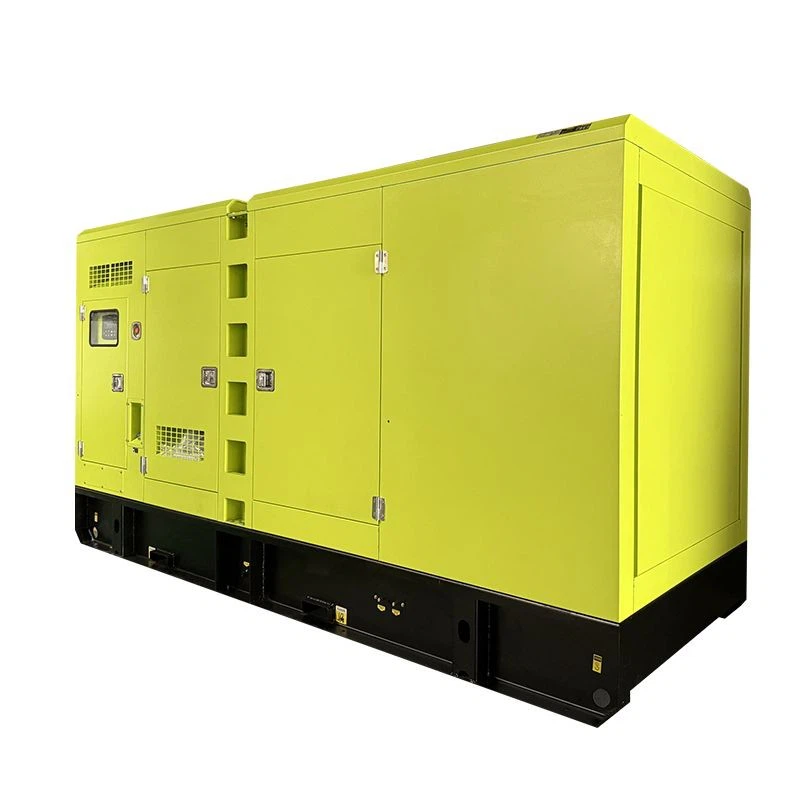
As a supplier, we offer a variety of high - quality soundproof diesel generators. Our 100kw Silent Diesel Generator is a popular choice for medium - sized applications. It combines powerful performance with low noise levels, making it suitable for both commercial and residential use. We also have Low Noise Diesel Generator options that are designed to meet the strictest noise regulations. And our Canopy Diesel Generator provides additional protection for the generator, ensuring its durability in various environments.

Contact Us for More Information
If you are interested in our soundproof diesel generators or have any questions about turbocharger maintenance, we encourage you to contact us. Our team of experts is ready to provide you with detailed information and assist you in making the right choice for your power needs. Whether you are looking for a new generator or need advice on maintaining your existing one, we are here to help.
Conclusion
Maintaining the turbocharger of a soundproof diesel generator is a crucial task that requires regular inspections, proper lubrication, cooling system maintenance, and following the correct warm - up and cool - down procedures. By taking these steps, you can ensure the long - term performance and reliability of your generator. As a supplier, we are committed to providing high - quality products and excellent customer service. Contact us today to learn more about our soundproof diesel generators and how we can meet your power requirements.
References
- Diesel Generator Maintenance Manuals from leading manufacturers
- Technical papers on turbocharger technology
- Industry best practices for diesel engine maintenance


