


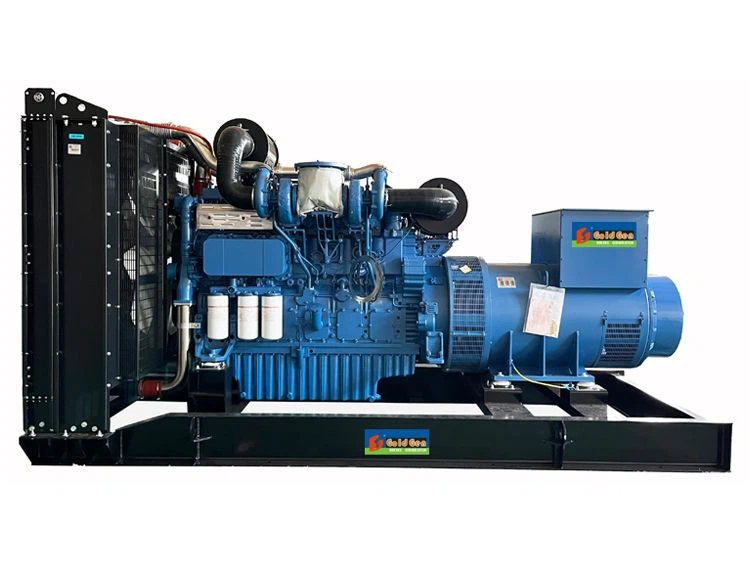
As a supplier of Marine Diesel Generator Sets, I often get asked about the grounding requirements for these powerhouses. Grounding is a crucial aspect of ensuring the safety, efficiency, and reliability of marine diesel generator sets. In this blog, I'll break down the key grounding requirements and explain why they matter.

Why Grounding is Important
Before we dive into the specific requirements, let's understand why grounding is so important for marine diesel generator sets. Grounding serves several critical functions:
- Safety: Grounding provides a path for electrical current to flow safely to the ground in the event of a fault. This helps prevent electrical shocks to personnel and reduces the risk of fire.
- Equipment Protection: Proper grounding helps protect the generator set and other electrical equipment from damage caused by electrical surges and faults.
- Electromagnetic Compatibility (EMC): Grounding helps reduce electromagnetic interference (EMI) and radio frequency interference (RFI), which can affect the performance of other electronic devices on board the vessel.
Grounding Requirements for Marine Diesel Generator Sets
1. Main Grounding Connection
The main grounding connection is the foundation of the grounding system for a marine diesel generator set. It should be made to a suitable grounding electrode, such as a metal hull or a dedicated grounding plate. The grounding electrode should be in direct contact with the seawater to ensure a low-resistance path to the ground.
The main grounding connection should be made using a heavy-duty copper conductor with a cross-sectional area appropriate for the size of the generator set. The conductor should be securely connected to the generator set's frame and the grounding electrode using proper terminals and connectors.
2. Neutral Grounding
In a three-phase generator set, the neutral point of the generator should be grounded. This helps to balance the electrical load and reduce the risk of electrical shocks. The neutral grounding should be made using a dedicated neutral conductor, which should be connected to the main grounding connection.
The neutral conductor should be sized according to the electrical load of the generator set. It should be able to carry the maximum fault current without overheating.
3. Equipment Grounding
All electrical equipment connected to the generator set, such as control panels, motors, and switches, should be grounded. This helps to protect the equipment from electrical faults and reduces the risk of electrical shocks to personnel.
The equipment grounding should be made using a separate grounding conductor for each piece of equipment. The grounding conductor should be connected to the main grounding connection using proper terminals and connectors.
4. Bonding
Bonding is the process of connecting all metallic parts of the generator set and other electrical equipment together to create a common electrical potential. This helps to prevent electrical shocks and reduce the risk of electrical interference.
All metallic parts of the generator set, including the frame, engine, and electrical enclosures, should be bonded together using a bonding conductor. The bonding conductor should be sized according to the electrical load of the generator set and should be connected to the main grounding connection.
5. Grounding Resistance
The grounding resistance of the generator set and the grounding system should be measured regularly to ensure that it is within the acceptable limits. The grounding resistance should be less than 1 ohm for most marine applications.
If the grounding resistance is too high, it may indicate a problem with the grounding system, such as a loose connection or a damaged grounding electrode. In this case, the grounding system should be inspected and repaired as necessary.
Types of Marine Diesel Generator Sets and Their Grounding Requirements
Open Type Diesel Generator
An Open Type Diesel Generator is a type of generator set that is not enclosed in a soundproof enclosure. These generator sets are typically used in applications where noise is not a major concern, such as construction sites and industrial facilities.
The grounding requirements for an open type diesel generator are similar to those for other types of generator sets. The main grounding connection should be made to a suitable grounding electrode, and all electrical equipment should be grounded and bonded together.
Construction Diesel Generator
A Construction Diesel Generator is a type of generator set that is specifically designed for use in construction sites. These generator sets are typically portable and can be easily moved from one location to another.
The grounding requirements for a construction diesel generator are similar to those for other types of generator sets. However, since these generator sets are often used in outdoor environments, it is important to ensure that the grounding system is protected from the elements.
1200 KW Cummins Silent Generator
A 1200 KW Cummins Silent Generator is a high-power generator set that is designed to provide reliable power in a quiet and efficient manner. These generator sets are typically used in applications where noise is a major concern, such as hospitals, hotels, and data centers.
The grounding requirements for a 1200 KW Cummins Silent Generator are similar to those for other types of generator sets. However, since these generator sets are typically used in sensitive environments, it is important to ensure that the grounding system is designed to minimize electrical interference.
Conclusion
Grounding is a critical aspect of ensuring the safety, efficiency, and reliability of marine diesel generator sets. By following the grounding requirements outlined in this blog, you can help protect your generator set and other electrical equipment from damage, reduce the risk of electrical shocks to personnel, and ensure that your vessel's electrical system operates smoothly.
If you have any questions about the grounding requirements for your marine diesel generator set, or if you're interested in purchasing a generator set, please don't hesitate to contact us. We're here to help you find the right generator set for your needs and ensure that it is installed and maintained properly.
References
- International Electrotechnical Commission (IEC) standards for electrical installations on ships.
- American Boat and Yacht Council (ABYC) standards for electrical systems on boats.
- Manufacturer's specifications and installation manuals for marine diesel generator sets.


