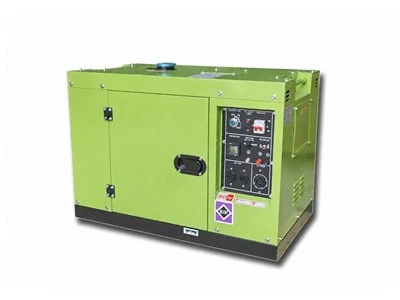
As a supplier of household diesel generators, I often get asked about the battery charging system of these essential power sources. Understanding how the battery charging system works is crucial for the proper functioning and longevity of your household diesel generator. In this blog post, I'll delve into the details of the battery charging system, its components, and how it ensures your generator is always ready to provide power when you need it.
The Importance of the Battery Charging System
The battery in a household diesel generator serves as a crucial component for starting the engine. It provides the initial electrical power needed to turn over the engine and get it running. Without a properly functioning battery, your generator won't start, leaving you without power during an outage. The battery charging system is responsible for keeping the battery charged and ready for use. It ensures that the battery maintains a sufficient charge level to start the engine reliably.
Components of the Battery Charging System
The battery charging system of a household diesel generator typically consists of the following components:
- Alternator: The alternator is a device that converts mechanical energy from the engine into electrical energy. It generates an alternating current (AC) that is then converted into direct current (DC) by the voltage regulator.
- Voltage Regulator: The voltage regulator controls the output voltage of the alternator to ensure that the battery is charged at the correct voltage. It prevents overcharging, which can damage the battery, and undercharging, which can lead to a weak battery.
- Battery: The battery stores electrical energy and provides the power needed to start the engine. It is typically a lead-acid battery, which is known for its reliability and long lifespan.
- Charging Circuit: The charging circuit connects the alternator, voltage regulator, and battery. It allows the electrical current to flow from the alternator to the battery, charging it.
How the Battery Charging System Works
When the diesel generator is running, the engine drives the alternator, which generates an AC voltage. The voltage regulator then converts this AC voltage into a DC voltage and regulates it to the appropriate level for charging the battery. The DC voltage is then sent to the battery through the charging circuit, where it charges the battery.
The charging process continues as long as the generator is running. Once the battery is fully charged, the voltage regulator reduces the charging current to prevent overcharging. This helps to extend the lifespan of the battery.
Types of Battery Charging Systems
There are two main types of battery charging systems used in household diesel generators:
- Float Charging: Float charging is a method of charging the battery at a low, constant voltage. This helps to maintain the battery's charge level without overcharging it. Float charging is commonly used for standby generators that are not used frequently.
- Bulk Charging: Bulk charging is a method of charging the battery at a higher voltage to quickly charge it. This is typically used when the battery is discharged and needs to be recharged quickly. Once the battery is almost fully charged, the charging system switches to float charging to maintain the charge level.
Maintaining the Battery Charging System
To ensure the proper functioning of the battery charging system, it is important to perform regular maintenance. Here are some tips for maintaining the battery charging system:
- Check the Battery: Regularly check the battery for signs of damage or corrosion. Clean the battery terminals and connections to ensure a good electrical connection.
- Test the Charging System: Use a multimeter to test the output voltage of the alternator and the voltage regulator. Make sure the charging system is providing the correct voltage to the battery.
- Replace the Battery: If the battery is old or damaged, replace it with a new one. This will ensure that the battery is able to hold a charge and start the engine reliably.
- Follow the Manufacturer's Instructions: Follow the manufacturer's instructions for maintaining the battery charging system. This includes recommended maintenance intervals and procedures.
Our Household Diesel Generators
At our company, we offer a wide range of household diesel generators to meet your power needs. Our generators are reliable, efficient, and easy to use. We also provide high-quality battery charging systems to ensure that your generator is always ready to provide power when you need it.
Some of our popular models include the 75kw Diesel Generator, the 200kw Diesel Generator Set, and the 150kw Diesel Generator Set. These generators are suitable for a variety of applications, including residential, commercial, and industrial use.
Contact Us for Purchasing
If you're interested in purchasing a household diesel generator or have any questions about our products, please don't hesitate to contact us. Our team of experts is ready to assist you in finding the right generator for your needs and provide you with all the information you need.
We look forward to hearing from you and helping you power your home or business with a reliable and efficient diesel generator.


References
- "Diesel Generator Handbook" by John H. Wirtz
- "Electrical Power Systems Technology" by Stephen L. Herman