


As a trusted supplier of Open Type Diesel Generators, I've witnessed firsthand the pivotal role these powerhouses play in various industries and settings. Their reliability during power outages and ability to provide consistent power for continuous operations make them indispensable assets. However, like any complex machinery, their performance and longevity are subject to how well they're maintained and used. In this blog, I'll share some practical yet effective strategies to extend the service life of an Open Type Diesel Generator, ensuring it serves you efficiently for years to come.
Regular Maintenance
One of the most fundamental aspects of extending the service life of your Open Type Diesel Generator is regular maintenance. Think of it as the health check - up for your generator. Scheduled inspections should be carried out at least once a month under normal usage conditions, and more frequently if the generator is used extensively.
- Oil and Filter Changes: Engine oil lubricates the moving parts of the generator, reducing friction and preventing wear and tear. Over time, the oil can become contaminated with dirt, debris, and metal particles. Therefore, it's crucial to change the oil and oil filter at the intervals recommended by the manufacturer. Typically, this is every 200 - 250 operating hours or annually, whichever comes first. Using high - quality oil and filters is non - negotiable, as they can significantly impact the engine's performance and lifespan.
- Coolant System Maintenance: The generator's coolant system is responsible for regulating the engine's temperature. A malfunctioning coolant system can lead to overheating, which can cause severe damage to the engine. Check the coolant level regularly and ensure it's at the appropriate level. Also, inspect the coolant hoses for any signs of leaks, cracks, or bulges. Replace the coolant according to the manufacturer's guidelines, usually every 2 - 3 years.
- Air Filter Cleaning or Replacement: The air filter prevents dust, dirt, and other contaminants from entering the engine. A clogged air filter restricts airflow, reducing the engine's efficiency and power output. Depending on the operating environment, the air filter may need to be cleaned or replaced every 100 - 150 operating hours. In dusty or dirty environments, more frequent maintenance is required.
- Fuel System Maintenance: The fuel system is another critical component of the generator. Ensure that the fuel is clean and free from water and debris. Regularly inspect the fuel lines for leaks and the fuel filter for clogging. Replace the fuel filter as recommended, typically every 100 - 200 operating hours. Maintaining a proper fuel storage and handling system can prevent fuel - related issues that may shorten the generator's lifespan.
Proper Installation
The way your Open Type Diesel Generator is installed can have a significant impact on its service life. A proper installation ensures optimal performance and reduces the risk of premature wear and tear.
- Location Selection: Choose a well - ventilated and dry location for the generator. Adequate ventilation is essential to prevent the build - up of heat and exhaust gases. The generator should be installed at least 3 feet away from any walls, buildings, or other obstructions. Also, ensure that the location is protected from the elements, such as rain, snow, and direct sunlight.
- Level Surface: The generator should be installed on a level surface to prevent excessive vibration. Excessive vibration can cause damage to internal components, such as the engine mounts and electrical connections. Use a spirit level to ensure that the generator is perfectly level during installation.
- Electrical Connections: Proper electrical connections are crucial for the safe and efficient operation of the generator. Ensure that all electrical cables are of the correct size and type, and that they are securely connected. Loose or incorrect electrical connections can lead to overheating, short circuits, and other electrical problems.
Correct Usage
How you use your Open Type Diesel Generator also plays a vital role in its longevity.
- Load Management: Avoid overloading the generator, as this can cause excessive stress on the engine and other components. Refer to the generator's load capacity specifications and ensure that the total load connected to the generator does not exceed its rated capacity. If you need to power multiple devices, distribute the load evenly across the generator's outlets.
- Warm - up and Cool - down: Before starting to load the generator, allow it to warm up for a few minutes. This allows the engine oil to circulate properly and reach all the moving parts. Similarly, after shutting down a loaded generator, let it run for a few minutes at no - load to cool down. This helps prevent thermal shock to the engine.
- Avoid Frequent Start - Stop Cycles: Frequent start - stop cycles can put additional stress on the generator's engine and starter motor. If possible, try to run the generator for longer periods rather than short, intermittent bursts.
Monitoring and Record - Keeping
Monitoring the performance of your Open Type Diesel Generator and keeping detailed records can help you detect potential problems early and take appropriate action.
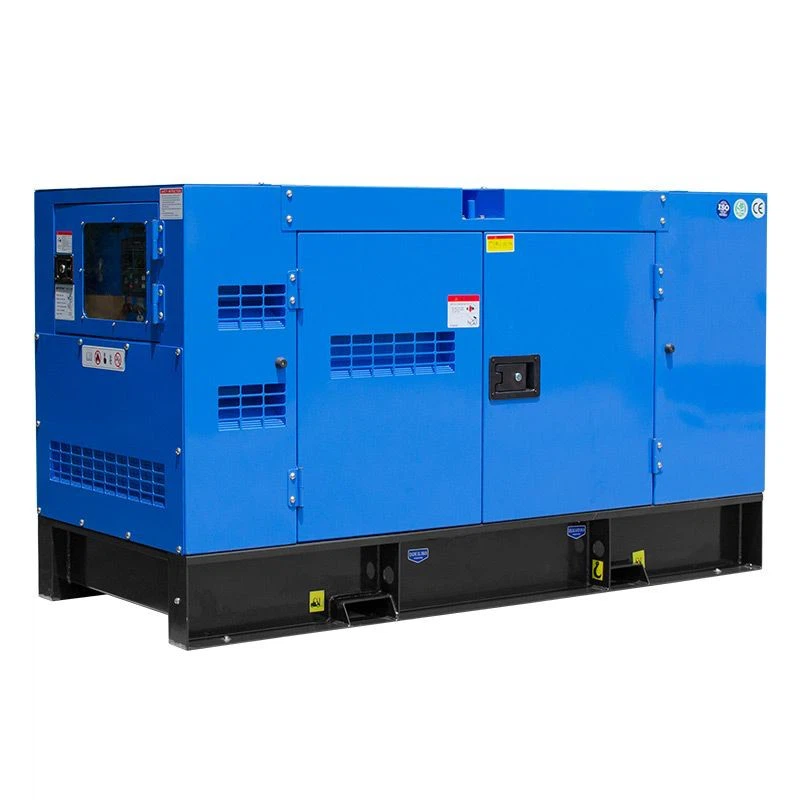

- Performance Monitoring: Use the generator's built - in monitoring system to keep track of key parameters such as engine temperature, oil pressure, fuel level, and electrical output. Regularly check these readings and look for any signs of abnormal behavior, such as sudden drops in oil pressure or increases in engine temperature.
- Record - Keeping: Maintain a maintenance log for your generator. Record details such as maintenance dates, oil and filter changes, repairs, and any performance issues. This log can help you identify patterns and trends, and it can also be useful for warranty claims and resale.
Training for Operators
If your generator is operated by multiple people, it's essential to provide them with proper training. Trained operators are more likely to use the generator correctly, perform basic maintenance tasks, and identify potential problems early.
- Operation Training: Teach operators how to start, stop, and load the generator safely and correctly. Explain the importance of following the manufacturer's operating instructions and safety guidelines.
- Maintenance Training: Provide training on basic maintenance tasks such as checking oil and coolant levels, changing filters, and inspecting electrical connections. This can help ensure that routine maintenance is carried out regularly and correctly.
Upgrading and Retrofits
As technology advances, consider upgrading or retrofitting your Open Type Diesel Generator. This can improve its performance, efficiency, and reliability, and extend its service life.
- Engine Upgrades: Upgrading the engine components, such as the fuel injection system or the turbocharger, can increase the engine's power output and efficiency. This can reduce fuel consumption and wear and tear on the engine.
- Electrical System Upgrades: Upgrading the generator's electrical system, such as the alternator or the control panel, can improve its electrical output and stability. This can ensure a more reliable power supply and protect connected devices from power surges.
Conclusion
Extending the service life of an Open Type Diesel Generator requires a comprehensive approach that includes regular maintenance, proper installation, correct usage, monitoring, operator training, and potential upgrades. By following these strategies, you can ensure that your generator continues to provide reliable power for many years.
If you're in the market for a new Construction Diesel Generator, Prime Power Diesel Generator, or Standby Diesel Generator Set, or if you need further advice on generator maintenance and operation, don't hesitate to reach out. We're here to help you make informed decisions and ensure that you get the most out of your generator investment. Contact us today to start a procurement discussion.
References
- Diesel Generator Maintenance Manuals from leading manufacturers
- Industry best practices for diesel generator operation and maintenance


