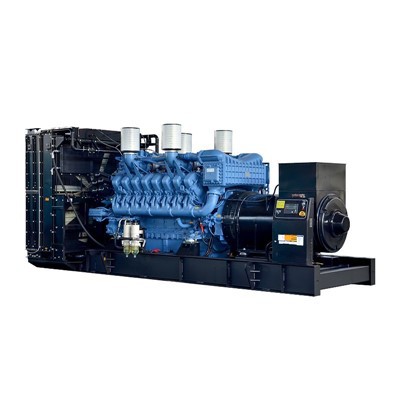
As a prime power diesel generator supplier, I understand the importance of proper maintenance to ensure the reliable and efficient operation of these critical power sources. In this blog, I will delve into the various maintenance requirements for prime power diesel generators, covering everything from routine checks to major overhauls.
Routine Maintenance
Routine maintenance is the foundation of keeping a prime power diesel generator in top condition. It involves regular inspections, fluid checks, and minor adjustments to prevent potential issues from escalating. Here are some key aspects of routine maintenance:
Daily Checks
- Visual Inspection: Conduct a visual inspection of the generator to check for any signs of leaks, damage, or loose connections. Look for oil, coolant, or fuel leaks around the engine, fuel lines, and coolant hoses. Check the battery terminals for corrosion and ensure they are tightly connected.
- Fluid Levels: Check the oil, coolant, and fuel levels daily. Low fluid levels can cause serious damage to the engine, so it's important to maintain the proper levels at all times. If the fluid levels are low, top them up as needed.
- Air Filter: Inspect the air filter regularly and clean or replace it if it is dirty. A clogged air filter can reduce engine performance and increase fuel consumption.
- Battery: Check the battery voltage and charge level daily. A weak or dead battery can prevent the generator from starting, so it's important to keep the battery in good condition. If the battery voltage is low, recharge it using a battery charger.
Weekly Checks
- Generator Operation: Start the generator and let it run for at least 10-15 minutes to ensure it is operating properly. Check the engine speed, voltage, and frequency to make sure they are within the recommended range. Listen for any unusual noises or vibrations that may indicate a problem.
- Fuel System: Check the fuel system for any signs of leaks or blockages. Inspect the fuel lines, filters, and injectors for damage or wear. If you notice any issues, have them repaired or replaced immediately.
- Cooling System: Check the coolant level and the condition of the radiator and hoses. Make sure the coolant is at the proper level and that there are no leaks or blockages in the cooling system. If the coolant is dirty or low, flush and refill the system with the recommended coolant.
Monthly Checks
- Oil Change: Change the engine oil and oil filter every month or as recommended by the manufacturer. Fresh oil helps to lubricate the engine and prevent wear and tear.
- Fuel Filter Change: Replace the fuel filter every month or as recommended by the manufacturer. A clean fuel filter helps to ensure proper fuel flow and prevent engine damage.
- Spark Plugs: Inspect the spark plugs and replace them if they are worn or damaged. Spark plugs play a crucial role in the ignition process, so it's important to keep them in good condition.
- Battery Maintenance: Clean the battery terminals and apply a thin layer of petroleum jelly to prevent corrosion. Check the battery water level and add distilled water if necessary.
Major Maintenance
In addition to routine maintenance, prime power diesel generators also require major maintenance at regular intervals. Major maintenance involves more in-depth inspections, repairs, and replacements to ensure the long-term reliability and performance of the generator. Here are some key aspects of major maintenance:
Annual Maintenance
- Engine Overhaul: Every year, have the engine overhauled by a qualified technician. This involves disassembling the engine, inspecting the components for wear and damage, and replacing any worn or damaged parts. An engine overhaul helps to restore the engine's performance and extend its lifespan.
- Generator Inspection: Have the generator inspected by a qualified technician every year. This includes checking the electrical system, control panel, and other components for proper operation. The technician will also perform a load test to ensure the generator can handle the required load.
- Fuel System Cleaning: Clean the fuel system every year to remove any dirt, debris, or contaminants that may have accumulated. This helps to ensure proper fuel flow and prevent engine damage.
- Cooling System Flush: Flush the cooling system every year to remove any sediment or scale that may have built up. This helps to maintain the efficiency of the cooling system and prevent overheating.
Every 3-5 Years
- Generator Rewind: Every 3-5 years, have the generator stator and rotor rewound by a qualified technician. This helps to restore the generator's electrical performance and extend its lifespan.
- Control Panel Upgrade: Consider upgrading the control panel every 3-5 years to improve the generator's functionality and reliability. A modern control panel can provide real-time monitoring, diagnostic capabilities, and remote access.
- Fuel Tank Replacement: If the fuel tank is more than 10 years old, consider replacing it to prevent corrosion and leaks. A new fuel tank can provide better protection for the fuel and improve the generator's performance.
Importance of Maintenance
Proper maintenance is essential for the reliable and efficient operation of prime power diesel generators. Here are some key reasons why maintenance is so important:
- Reliability: Regular maintenance helps to prevent breakdowns and ensure that the generator is always ready to provide power when needed. A well-maintained generator is less likely to experience unexpected failures, which can cause downtime and costly repairs.
- Efficiency: Maintenance helps to keep the generator operating at peak efficiency, which can reduce fuel consumption and save money on operating costs. A clean air filter, properly adjusted engine, and well-maintained fuel system can all contribute to improved fuel efficiency.
- Safety: Maintenance helps to ensure the safety of the generator and its operators. A well-maintained generator is less likely to pose a fire or explosion hazard, and it can also reduce the risk of electrical shock.
- Longevity: Regular maintenance can extend the lifespan of the generator, which can save money on replacement costs. By taking care of the generator and addressing any issues promptly, you can ensure that it provides reliable power for many years to come.
Conclusion
Proper maintenance is essential for the reliable and efficient operation of prime power diesel generators. By following a regular maintenance schedule and addressing any issues promptly, you can ensure that your generator provides reliable power when you need it most. If you have any questions or need assistance with generator maintenance, please don't hesitate to contact us. We are a leading supplier of prime power diesel generators, and we offer a wide range of products and services to meet your needs. You can check out our Marine Diesel Generator Set, 1200 KW Cummins Silent Generator, and Construction Diesel Generator for more options.


If you are interested in purchasing a prime power diesel generator or need more information about our products and services, please feel free to contact us for a detailed discussion and procurement negotiation. We look forward to working with you to meet your power generation needs.
References
- Diesel Generator Maintenance Manuals from various manufacturers
- Industry standards and best practices for diesel generator maintenance