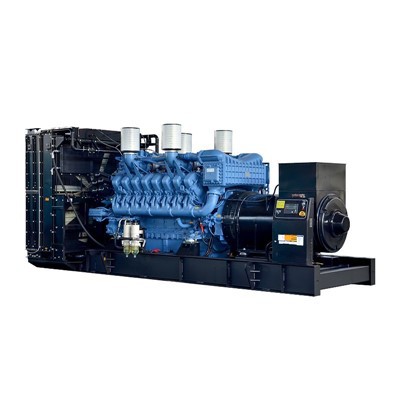
Hey there! I'm a supplier of Marine Diesel Generator Sets. Today, I wanna chat about the humidity resistance requirements for these bad boys.
First off, why is humidity such a big deal for marine diesel generator sets? Well, when you're out on the water, the environment is super different from what you'd find on land. The air is often filled with a high amount of moisture, which can spell trouble for the generator.
The Impact of Humidity on Marine Diesel Generator Sets
Moisture can cause all sorts of issues. For starters, it can lead to corrosion. The metal parts of the generator, like the engine block, exhaust pipes, and electrical components, are at risk. When water vapor in the air comes into contact with these metals, over time, it forms rust. Rust not only weakens the structure of the generator but can also affect the performance of moving parts. For example, if the rust builds up on the pistons or valves in the engine, it can cause the engine to run less efficiently or even break down.
Another problem is with the electrical system. High humidity can cause short circuits. The insulation on the wires can absorb moisture, which reduces its effectiveness at preventing electrical currents from leaking. This can lead to electrical malfunctions, and in the worst - case scenario, it can even start a fire on board the vessel.
The fuel system isn't safe from humidity either. Moisture can contaminate the fuel, causing clogged filters and injectors. This can disrupt the fuel supply to the engine, leading to poor combustion and reduced power output.
Humidity Resistance Requirements
Component Design
- Enclosure: The generator set should have a well - sealed enclosure. This helps to prevent moisture from getting inside and reaching the sensitive components. A good enclosure should be made of materials that are resistant to rust and corrosion, like stainless steel or treated aluminum. For example, our Marine Diesel Generator Set features a robust enclosure that is designed to keep moisture out.
- Ventilation: While it's important to seal the generator, proper ventilation is also crucial. The ventilation system should be designed in such a way that it can expel moist air from inside the enclosure and bring in dry air. This can be achieved through the use of fans and vents that are strategically placed.
- Electrical Components: All electrical components should be rated for use in high - humidity environments. This means they should have proper insulation and be coated or treated to resist moisture. For instance, the circuit boards should have a conformal coating that acts as a barrier against water vapor.
Material Selection
- Corrosion - Resistant Metals: As I mentioned earlier, using corrosion - resistant metals is essential. Stainless steel is a great choice for parts that are directly exposed to the elements. It has a high chromium content, which forms a protective layer on the surface, preventing rust from forming. Aluminum alloys are also commonly used due to their lightweight and corrosion - resistant properties.
- Moisture - Resistant Coatings: Applying moisture - resistant coatings to the generator's components can add an extra layer of protection. These coatings can be applied to the engine block, fuel tanks, and other parts to prevent water from penetrating the surface.
Testing and Certification
- Before a marine diesel generator set is sold, it should go through rigorous humidity testing. This involves exposing the generator to a high - humidity environment for a certain period of time and monitoring its performance. The generator should be able to operate normally without any signs of corrosion, electrical problems, or fuel system issues.
- It's also important for the generator to have relevant certifications. For example, certifications from international organizations like the International Maritime Organization (IMO) or other industry - recognized bodies indicate that the generator meets the necessary humidity resistance standards.
Other Considerations
- Maintenance: Regular maintenance is key to ensuring the humidity resistance of a marine diesel generator set. This includes checking the enclosure for any signs of damage or leaks, inspecting the ventilation system, and cleaning or replacing the filters in the fuel and air systems.
- Storage: If the generator is going to be stored for an extended period, it should be stored in a dry place. If this isn't possible, measures should be taken to protect it from humidity, such as using a dehumidifier or a moisture - absorbing agent inside the enclosure.
Our Product Range
We offer a wide range of generator sets that are designed to meet the humidity resistance requirements for marine applications. Our Open Type Diesel Generator is a great option for those who need a reliable and cost - effective solution. It has been engineered to withstand the harsh marine environment, including high humidity.
If you're looking for a high - power generator, our 1200 KW Cummins Silent Generator is a top - notch choice. It combines the power of a Cummins engine with excellent humidity resistance features.
For construction projects on water or near the shore, our Construction Diesel Generator provides the necessary power while being able to handle the humid conditions.


And if you need a generator for continuous power supply, our Prime Power Diesel Generator is built to last in marine environments with high humidity.
Let's Chat!
If you're in the market for a marine diesel generator set and have questions about humidity resistance or any other features, don't hesitate to get in touch. We're here to help you find the perfect generator for your needs. Whether you're a boat owner, a shipbuilder, or an operator of a marine facility, we've got the expertise and the products to ensure you get a reliable and humidity - resistant generator.
References
- Marine Electrical Systems Handbook
- Diesel Engine Technology for Marine Applications