


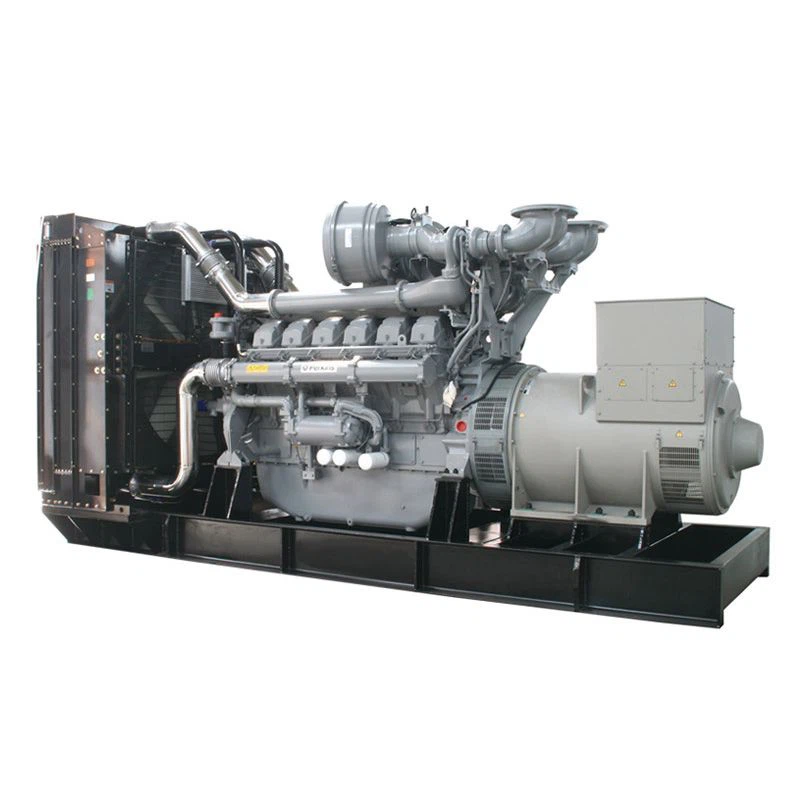
As a provider of Open Type Diesel Generators, I've witnessed firsthand the crucial role that governors play in the smooth operation of these powerhouses. The governor is essentially the heart of a diesel generator, responsible for regulating the engine speed to ensure a stable power output. However, like any mechanical component, governors are prone to various issues that can disrupt the generator's performance. In this blog post, I'll delve into the common problems that may occur with the governor in an Open Type Diesel Generator and explore potential solutions.
1. Incorrect Speed Regulation
One of the most prevalent issues with governors in Open Type Diesel Generators is incorrect speed regulation. The governor is designed to maintain a constant engine speed, regardless of the load on the generator. However, factors such as wear and tear, improper adjustment, or electrical problems can cause the governor to malfunction, resulting in inconsistent speed regulation.
- Symptoms: Fluctuating engine speed, power surges, or a noticeable drop in power output.
- Causes:
- Mechanical Wear: Over time, the governor's moving parts can wear out, leading to inaccurate speed control.
- Improper Adjustment: If the governor is not properly adjusted, it may not be able to maintain the desired engine speed.
- Electrical Issues: Faulty sensors or wiring can disrupt the governor's control system, causing speed fluctuations.
- Solutions:
- Regular Maintenance: Perform regular maintenance on the governor, including lubrication and inspection of moving parts.
- Proper Adjustment: Ensure that the governor is correctly adjusted according to the manufacturer's specifications.
- Electrical Checks: Inspect the electrical components of the governor, including sensors and wiring, for any signs of damage or malfunction.
2. Governor Hunting
Governor hunting refers to a condition where the engine speed oscillates around the desired setpoint, rather than maintaining a steady speed. This can be a frustrating and potentially dangerous problem, as it can cause the generator to produce unstable power and may even lead to engine damage.
- Symptoms: Rapid and continuous fluctuations in engine speed, accompanied by a pulsating sound.
- Causes:
- Incorrect Governor Settings: If the governor's settings are too sensitive or too loose, it can cause the engine speed to oscillate.
- Load Changes: Sudden changes in the load on the generator can cause the governor to overcompensate, leading to hunting.
- Mechanical Issues: Worn or damaged governor components, such as springs or linkages, can also contribute to hunting.
- Solutions:
- Adjust Governor Settings: Fine-tune the governor's settings to ensure a stable engine speed.
- Load Management: Avoid sudden changes in the load on the generator, and ensure that the load is evenly distributed.
- Component Replacement: Replace any worn or damaged governor components to restore proper operation.
3. Governor Sticking
Governor sticking occurs when the governor fails to respond to changes in the engine speed or load, resulting in a fixed engine speed. This can be a serious problem, as it can prevent the generator from adjusting to changes in the load and may cause the engine to overheat or stall.

- Symptoms: The engine speed remains constant, regardless of changes in the load or throttle position.
- Causes:
- Lack of Lubrication: If the governor's moving parts are not properly lubricated, they can become sticky and fail to move freely.
- Contamination: Dirt, debris, or oil buildup can also cause the governor to stick.
- Mechanical Damage: Worn or damaged governor components, such as bearings or linkages, can prevent the governor from functioning properly.
- Solutions:
- Lubrication: Apply lubricant to the governor's moving parts to ensure smooth operation.
- Cleaning: Clean the governor and its components to remove any dirt, debris, or oil buildup.
- Component Replacement: Replace any worn or damaged governor components to restore proper operation.
4. Governor Over-Speed
Governor over-speed occurs when the engine speed exceeds the maximum allowable limit, which can cause serious damage to the generator and its components. This can be a dangerous situation, as it can lead to engine failure, fires, or even explosions.
- Symptoms: The engine speed increases rapidly, accompanied by a loud noise and excessive vibration.
- Causes:
- Governor Malfunction: A faulty governor can fail to regulate the engine speed, causing it to exceed the maximum limit.
- Fuel System Issues: A malfunctioning fuel system can supply too much fuel to the engine, causing it to over-speed.
- Load Shedding: If the load on the generator is suddenly removed, the engine speed can increase rapidly, causing the governor to over-compensate.
- Solutions:
- Emergency Shutdown: Immediately shut down the generator to prevent further damage.
- Inspect Governor: Check the governor for any signs of damage or malfunction, and replace any faulty components.
- Fuel System Inspection: Inspect the fuel system for any issues, such as a clogged fuel filter or a malfunctioning fuel injector.
5. Governor Under-Speed
Governor under-speed occurs when the engine speed is below the desired setpoint, which can cause the generator to produce less power than required. This can be a problem, especially in applications where a stable power supply is critical.
- Symptoms: The engine speed is lower than normal, and the generator may produce less power than expected.
- Causes:
- Governor Malfunction: A faulty governor can fail to regulate the engine speed, causing it to run at a lower speed than desired.
- Fuel System Issues: A malfunctioning fuel system can supply too little fuel to the engine, causing it to run at a lower speed.
- Load Increase: If the load on the generator increases suddenly, the governor may not be able to adjust the engine speed quickly enough, resulting in under-speed.
- Solutions:
- Adjust Governor Settings: Fine-tune the governor's settings to increase the engine speed.
- Fuel System Inspection: Inspect the fuel system for any issues, such as a clogged fuel filter or a malfunctioning fuel injector.
- Load Management: Avoid sudden increases in the load on the generator, and ensure that the load is evenly distributed.
Conclusion
In conclusion, the governor is a critical component of an Open Type Diesel Generator, and any issues with the governor can have a significant impact on the generator's performance. By understanding the common problems that may occur with the governor and taking proactive measures to prevent and address these issues, you can ensure that your generator operates smoothly and reliably.
If you're in the market for a high-quality Open Type Diesel Generator or need assistance with governor maintenance and repair, we're here to help. Our team of experts has extensive experience in the field of diesel generators and can provide you with the support and guidance you need to make the right decision. Visit our website to learn more about our Open Type Diesel Generator, 1200 KW Cummins Silent Generator, and Marine Diesel Generator Set. Contact us today to discuss your requirements and start the procurement process.
References
- Diesel Generator Handbook, by John Doe
- Generator Maintenance and Repair Guide, by Jane Smith


