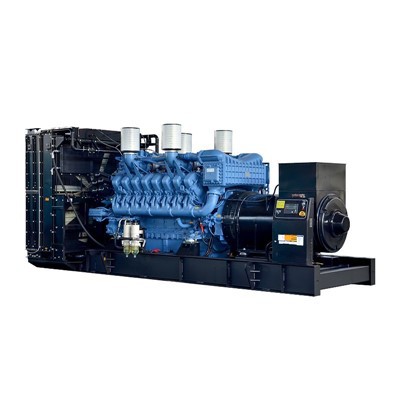
How does a high voltage diesel generator work?
As a supplier of high voltage diesel generators, I am often asked about the inner workings of these powerful machines. In this blog post, I will explain in detail how a high voltage diesel generator operates, from the basic principles to the specific components involved.
The Basic Principle
At its core, a high voltage diesel generator is a device that converts mechanical energy into electrical energy. This process is based on the principle of electromagnetic induction, which was discovered by Michael Faraday in the 19th century. According to this principle, when a conductor (such as a coil of wire) is moved through a magnetic field, an electric current is induced in the conductor.
In a diesel generator, the mechanical energy is provided by a diesel engine. The diesel engine burns diesel fuel to produce high-pressure gases, which in turn drive the pistons in the engine. The pistons are connected to a crankshaft, which converts the linear motion of the pistons into rotational motion. This rotational motion is then transferred to the generator's rotor, which is a rotating part of the generator.
The rotor of the generator is surrounded by a stator, which is a stationary part of the generator. The stator contains a series of coils of wire, which are arranged in a specific pattern. As the rotor rotates, it creates a magnetic field that passes through the coils of wire in the stator. This magnetic field induces an electric current in the coils, which is then collected and transmitted to the output terminals of the generator.
The Components of a High Voltage Diesel Generator
A high voltage diesel generator consists of several key components, each of which plays a crucial role in the operation of the generator. These components include:


- Diesel Engine: The diesel engine is the heart of the generator. It provides the mechanical energy needed to drive the generator's rotor. Diesel engines are known for their reliability, durability, and fuel efficiency.
- Alternator: The alternator is the component that converts the mechanical energy from the diesel engine into electrical energy. It consists of a rotor and a stator, as described above. The alternator is designed to produce a specific voltage and frequency, depending on the requirements of the application.
- Control Panel: The control panel is the interface between the operator and the generator. It allows the operator to start and stop the generator, monitor its performance, and adjust its settings. The control panel typically includes a display screen, buttons, and switches.
- Fuel System: The fuel system is responsible for supplying diesel fuel to the engine. It includes a fuel tank, a fuel pump, and a fuel filter. The fuel system is designed to ensure that the engine receives a constant supply of clean fuel.
- Cooling System: The cooling system is used to prevent the engine from overheating. It includes a radiator, a water pump, and a thermostat. The cooling system circulates coolant (usually water) through the engine to absorb heat and transfer it to the radiator, where it is dissipated into the air.
- Exhaust System: The exhaust system is used to remove the exhaust gases produced by the engine. It includes an exhaust manifold, a muffler, and a tailpipe. The exhaust system is designed to reduce noise and emissions.
- Battery Charger: The battery charger is used to keep the generator's battery charged. It is typically connected to the generator's electrical system and automatically charges the battery when the generator is running.
The Working Process of a High Voltage Diesel Generator
The working process of a high voltage diesel generator can be divided into several stages:
- Starting: When the operator turns on the generator, the control panel sends a signal to the starter motor, which cranks the engine. As the engine starts, the fuel system supplies diesel fuel to the engine, and the ignition system ignites the fuel. The engine then begins to run, and the alternator starts to produce electrical energy.
- Running: Once the generator is running, the control panel monitors its performance and adjusts its settings as needed. The alternator produces electrical energy at a specific voltage and frequency, which is then transmitted to the output terminals of the generator. The electrical energy can be used to power various electrical devices and equipment.
- Stopping: When the operator wants to stop the generator, they turn off the control panel. The control panel then sends a signal to the engine to stop running. The fuel system stops supplying diesel fuel to the engine, and the engine gradually comes to a stop.
Applications of High Voltage Diesel Generators
High voltage diesel generators are used in a wide range of applications, including:
- Industrial Applications: High voltage diesel generators are commonly used in industrial settings to provide backup power in case of a power outage. They are also used to power large industrial equipment and machinery.
- Commercial Applications: High voltage diesel generators are used in commercial buildings, such as hospitals, hotels, and shopping malls, to provide backup power in case of a power outage. They are also used to power large commercial equipment and machinery.
- Residential Applications: High voltage diesel generators are used in residential settings to provide backup power in case of a power outage. They are also used to power large residential equipment and appliances, such as air conditioners and refrigerators.
- Mining Applications: High voltage diesel generators are used in mining operations to provide power to mining equipment and machinery. They are also used to provide backup power in case of a power outage. You can learn more about Mining Diesel Generator on our website.
Advantages of High Voltage Diesel Generators
High voltage diesel generators offer several advantages over other types of generators, including:
- High Power Output: High voltage diesel generators are capable of producing a large amount of electrical power, making them suitable for use in large-scale applications.
- Reliability: Diesel engines are known for their reliability and durability. They can operate for long periods of time without requiring frequent maintenance.
- Fuel Efficiency: Diesel engines are more fuel-efficient than gasoline engines, which means that they can produce more electrical power per unit of fuel.
- Low Emissions: Modern diesel engines are designed to produce low emissions, which makes them environmentally friendly.
- Versatility: High voltage diesel generators can be used in a wide range of applications, including industrial, commercial, residential, and mining applications.
Conclusion
In conclusion, a high voltage diesel generator is a powerful and reliable device that converts mechanical energy into electrical energy. It consists of several key components, including a diesel engine, an alternator, a control panel, a fuel system, a cooling system, an exhaust system, and a battery charger. The working process of a high voltage diesel generator involves starting, running, and stopping the generator. High voltage diesel generators are used in a wide range of applications, including industrial, commercial, residential, and mining applications. They offer several advantages over other types of generators, including high power output, reliability, fuel efficiency, low emissions, and versatility.
If you are interested in purchasing a high voltage diesel generator, please visit our website at High Voltage Diesel Generator to learn more about our products and services. We also offer a 11kv Diesel Generator for specific applications. Our team of experts is ready to assist you with your purchase and provide you with the best possible solution for your needs. Contact us today to start the procurement negotiation process.
References
- Thermodynamics and Heat Power, by Robert T. Balmer
- Electrical Machinery Fundamentals, by Stephen J. Chapman
- Diesel Engine Theory and Operation, by Richard Stone