Kohler 10kW Generator configuration planning for mountain cable car drive station for an extended utility restoration contingency, with emphasis on passengers may be suspended while drive and brake systems require a verified recovery sequence. The project must also account for the fact that restoration time may be uncertain while fuel, staffing and consumables continue to change
Send Inquiry
Description
Technical Parameters
Product Overview
At mountain cable car drive station for an extended utility restoration contingency, generator selection becomes clearer when every circuit is tied to a business function. haul-rope drives, brakes, rescue systems, heating, communications and passenger controls, together with fuel planning, mobile communications, shift lighting and temporary maintenance support belong in that service map, and passengers may be suspended while drive and brake systems require a verified recovery sequence. The project must also account for the fact that restoration time may be uncertain while fuel, staffing and consumables continue to change deserves a separate engineering check.
To keep purchasing and commissioning aligned, Kaichen Power records the chosen electrical arrangement, establish brake status, communications and rescue readiness before permitting drive movement. The work plan must also review fuel endurance, operator coverage and load-shedding triggers at defined intervals, enclosure and environmental basis. The finished unit follows that record rather than a generic category description.
Reference Configuration
This configuration table records the inquiry basis for mountain cable car drive station for an extended utility restoration contingency. Final ratings and options depend on the approved engine, alternator, controls, enclosure and site conditions.
Parameter
Configuration Basis
Reference class
Kohler 10kW Generator retained as the supplied keyword for the mountain cable car drive station for an extended utility restoration contingency inquiry; usable rating follows approved component data
Operational outcome
controlled support of essential services until stable utility supply returns at the mountain cable car drive station for mountain cable car drive station for an extended utility restoration contingency
Load groups
Operating records for haul-rope drives, brakes, rescue systems, heating, communications and passenger controls, together with fuel planning, mobile communications, shift lighting and temporary maintenance support reviewed by the project team
Dynamic review
Engineering attention directed to passengers may be suspended while drive and brake systems require a verified recovery sequence. The project must also account for the fact that restoration time may be uncertain while fuel, staffing and consumables continue to change
Feeder interface
Voltage, frequency, phase, neutral, breaker and connection method agreed with the lift operations manager, drive technician and mountain rescue coordinator and the continuity response manager
Monitoring plan
establish brake status, communications and rescue readiness before permitting drive movement. The work plan must also review fuel endurance, operator coverage and load-shedding triggers at defined intervals coordinated with the operating procedure
Site constraint
Enclosure, cooling, service access and protection assessed for a high-altitude site with cold starts, wind, snow and difficult fuel delivery, combined with a prolonged outage with logistics constraints, repeated inspections and changing load priorities
Configuration issue
Current, dimensions, performance and test records issued for the released controlled support of essential services until stable utility supply returns at the mountain cable car drive station configuration
Protect the Operating Sequence at Mountain Cable Car Drive Station For An Extended Utility Restoration Contingency
1
Identify which parts of haul-rope drives, brakes, rescue systems, heating, communications and passenger controls, together with fuel planning, mobile communications, shift lighting and temporary maintenance support may operate simultaneously.
2
Keep a separate engineering note for passengers may be suspended while drive and brake systems require a verified recovery sequence. The project must also account for the fact that restoration time may be uncertain while fuel, staffing and consumables continue to change.
3
Show establish brake status, communications and rescue readiness before permitting drive movement. The work plan must also review fuel endurance, operator coverage and load-shedding triggers at defined intervals on the project interface diagram.
4
Agree cleaning, drainage or ventilation actions for a high-altitude site with cold starts, wind, snow and difficult fuel delivery, combined with a prolonged outage with logistics constraints, repeated inspections and changing load priorities.
Where This Kohler 10kW Generator Inquiry Fits
Mountain Cable Car Drive Station For An Extended Utility Restoration Contingency projects with an approved operating sequence.
Facilities coordinating establish brake status, communications and rescue readiness before permitting drive movement. The work plan must also review fuel endurance, operator coverage and load-shedding triggers at defined intervals with their distribution design.
Buyer teams that can provide evidence for haul-rope drives, brakes, rescue systems, heating, communications and passenger controls, together with fuel planning, mobile communications, shift lighting and temporary maintenance support.
Locations where a high-altitude site with cold starts, wind, snow and difficult fuel delivery, combined with a prolonged outage with logistics constraints, repeated inspections and changing load priorities affects packaging and access.
Prepare the Mountain Cable Car Drive Station For An Extended Utility Restoration Contingency Data
Submit the process sequence that governs haul-rope drives, brakes, rescue systems, heating, communications and passenger controls, together with fuel planning, mobile communications, shift lighting and temporary maintenance support.
Flag uncertainty around passengers may be suspended while drive and brake systems require a verified recovery sequence. The project must also account for the fact that restoration time may be uncertain while fuel, staffing and consumables continue to change for a dedicated check.
Define alarm, start, stop and reset expectations for establish brake status, communications and rescue readiness before permitting drive movement. The work plan must also review fuel endurance, operator coverage and load-shedding triggers at defined intervals.
Document lifting, storage and maintenance restrictions at a high-altitude site with cold starts, wind, snow and difficult fuel delivery, combined with a prolonged outage with logistics constraints, repeated inspections and changing load priorities.
Arrange a joint configuration review with the lift operations manager, drive technician and mountain rescue coordinator and the continuity response manager.
Project Release Record 4042
Witness record 4042. Demonstrate start request, voltage establishment, staged load connection, alarm handling, controlled stop and return to normal. The test should show controlled support of essential services until stable utility supply returns at the mountain cable car drive station.
Handover record 4042. Deliver accepted drawings, settings, cable information, operating instructions, maintenance tasks, spares data and training evidence with named owners for any open item.
Release file 4042. Keep the supplied keyword as the catalogue title, but define the delivered equipment from the signed technical schedule for mountain cable car drive station for an extended utility restoration contingency.
Load record 4042. Measure or document haul-rope drives, brakes, rescue systems, heating, communications and passenger controls, together with fuel planning, mobile communications, shift lighting and temporary maintenance support. Separate continuous demand, starting events, recovery blocks and circuits that the operator may defer.
Event record 4042. Engineering review is required because passengers may be suspended while drive and brake systems require a verified recovery sequence. The project must also account for the fact that restoration time may be uncertain while fuel, staffing and consumables continue to change. State the acceptance limit and the evidence used to verify it.
Interface record 4042. Put the agreed voltage, frequency, phases, neutral method, breaker duty, cable termination, earthing and transfer ownership on the controlled drawing. The operating team must also establish brake status, communications and rescue readiness before permitting drive movement. The work plan must also review fuel endurance, operator coverage and load-shedding triggers at defined intervals.
Site record 4042. Select ventilation, exhaust routing, fuel handling, drainage, lifting and enclosure protection for a high-altitude site with cold starts, wind, snow and difficult fuel delivery, combined with a prolonged outage with logistics constraints, repeated inspections and changing load priorities. Preserve safe access after surrounding services are complete.
Responsibility record 4042. the lift operations manager, drive technician and mountain rescue coordinator and the continuity response manager should approve start authority, reset permissions, alarm destinations, local fallback and emergency shutdown response.
Offer record 4042. List included equipment, selected accessories, site work, commissioning support and documentation. Leave unverified output, consumption, sound, emissions and dimensional values subject to the approved datasheet.
Inspection record 4042. Before shipment, compare component identity, assembly, wiring, controls, indications and shutdown functions with the released build record and close every deviation.
Product and Component Images
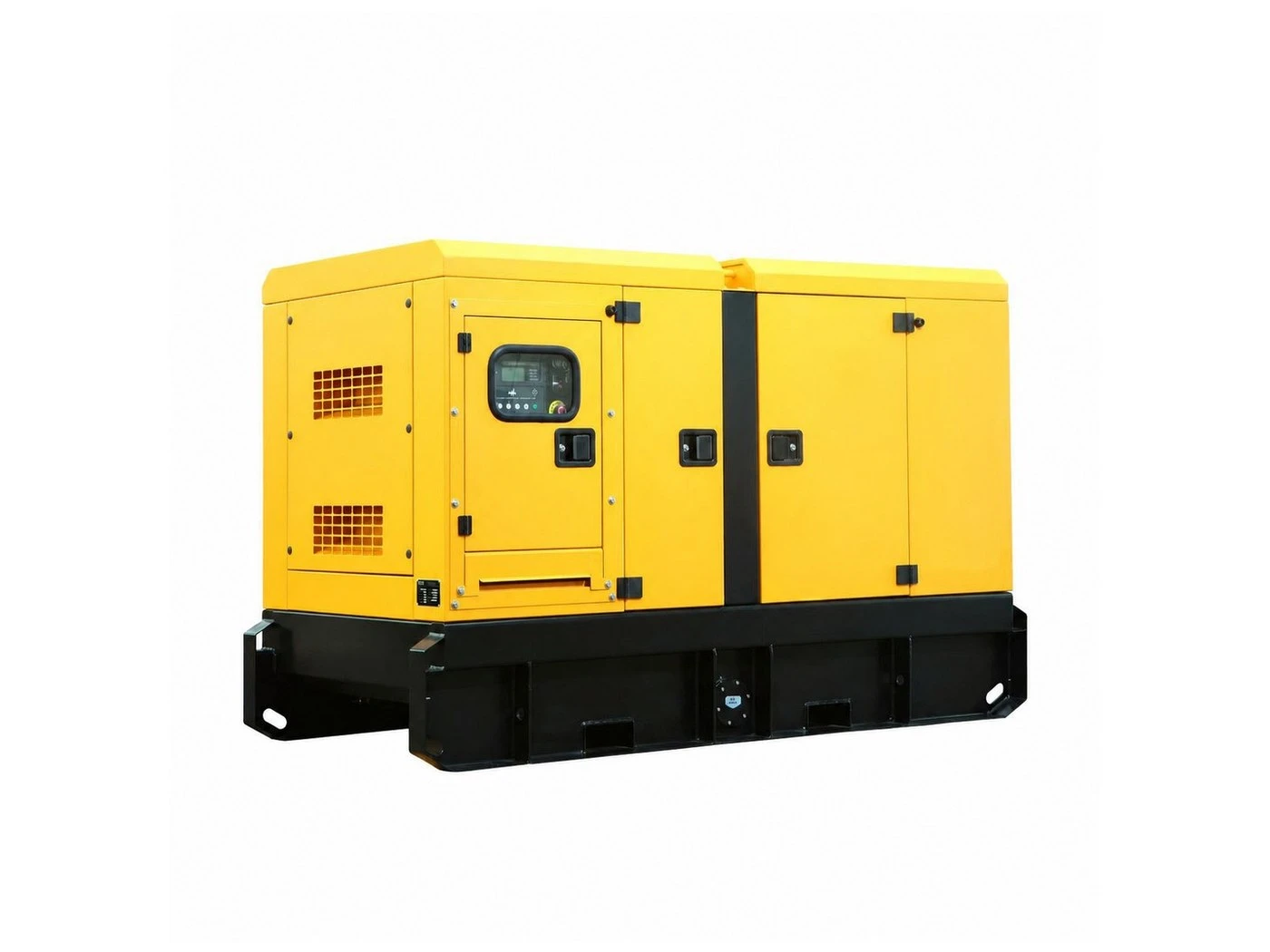
Alternative generator arrangement considered for mountain cable car drive station for an extended utility restoration contingency
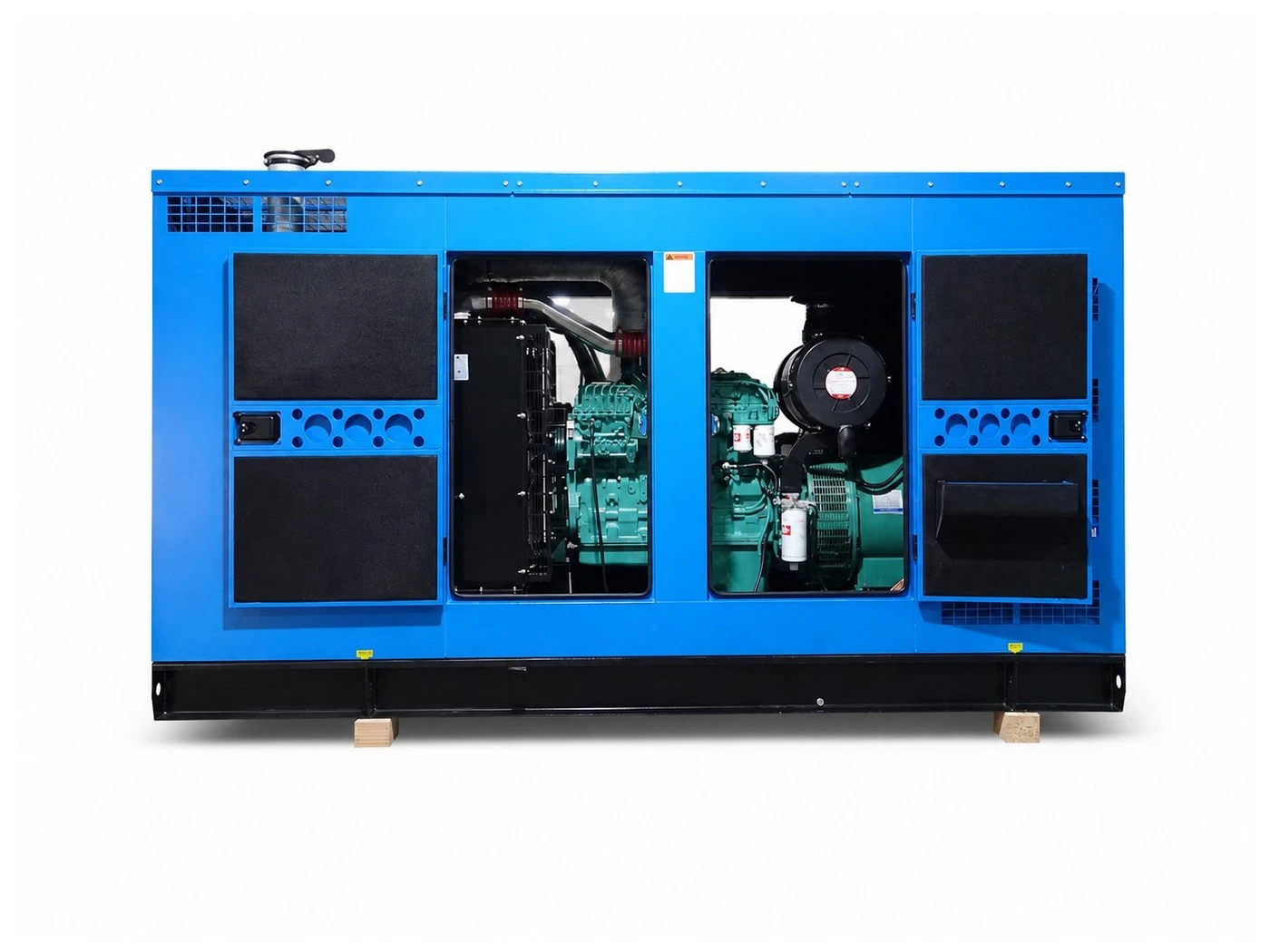
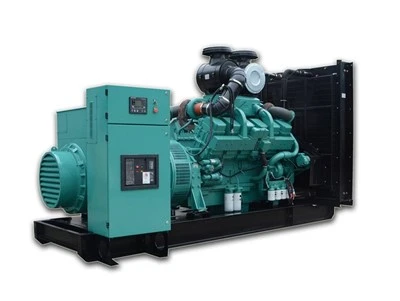
Service-access perspective used while reviewing haul-rope drives, brakes, rescue systems, heating, communications and passenger controls, together with fuel planning, mobile communications, shift lighting and temporary maintenance support
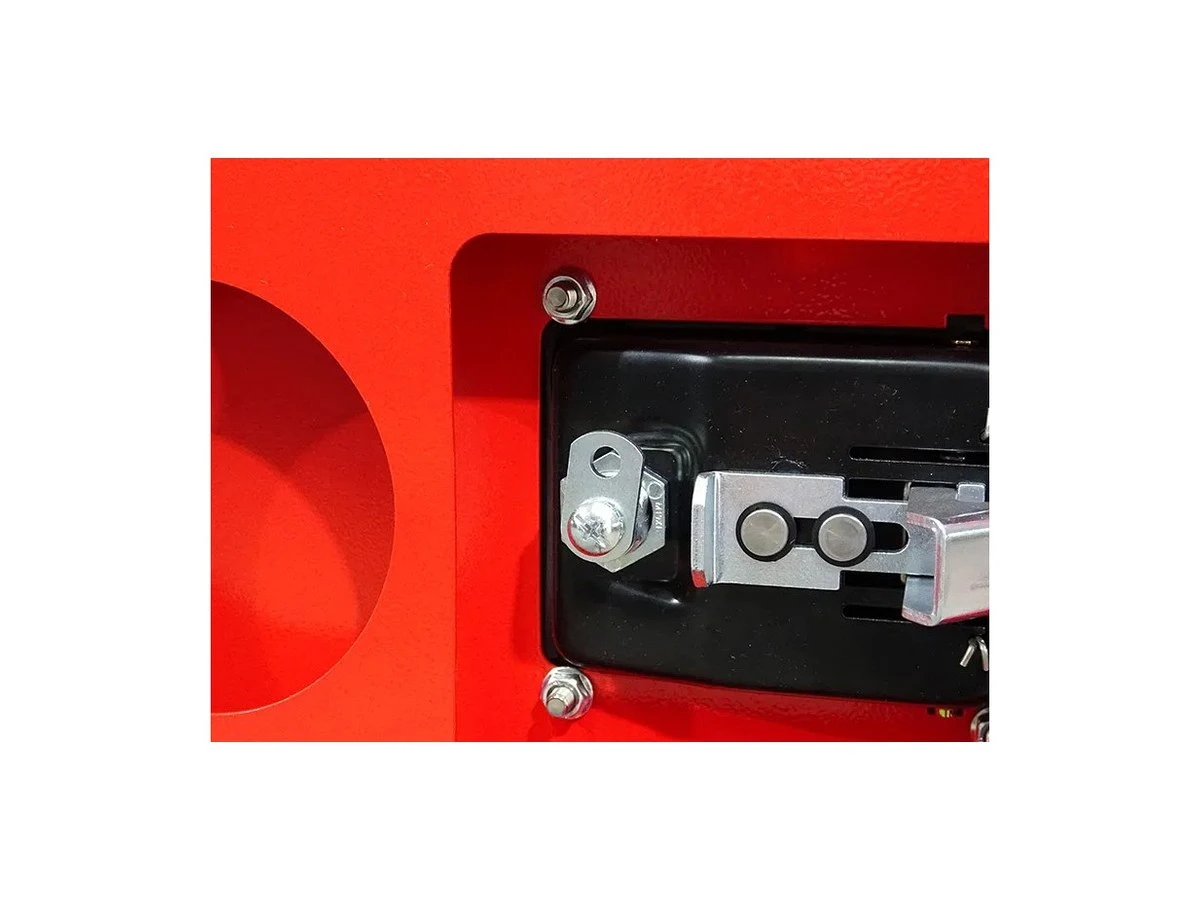
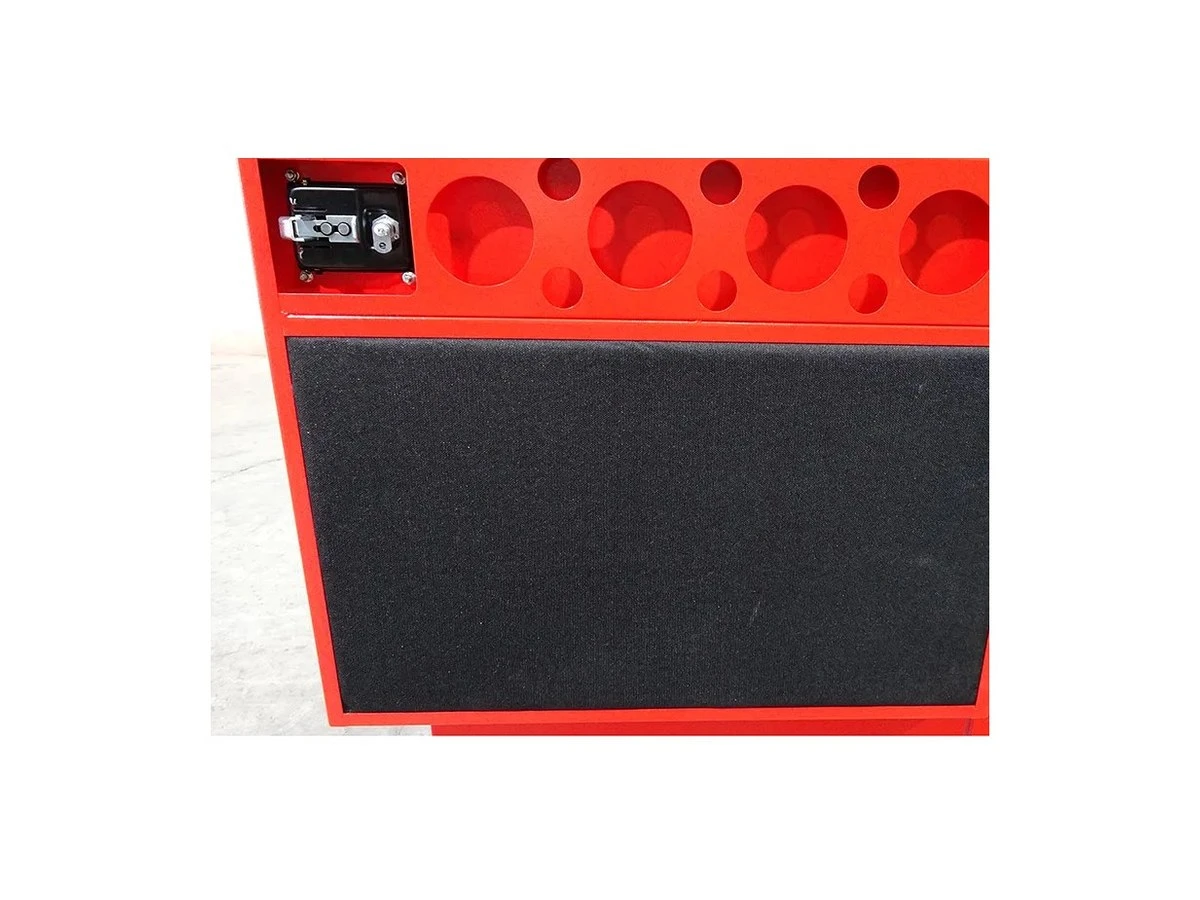
Mounting detail relevant to a high-altitude site with cold starts, wind, snow and difficult fuel delivery, combined with a prolonged outage with logistics constraints, repeated inspections and changing load priorities
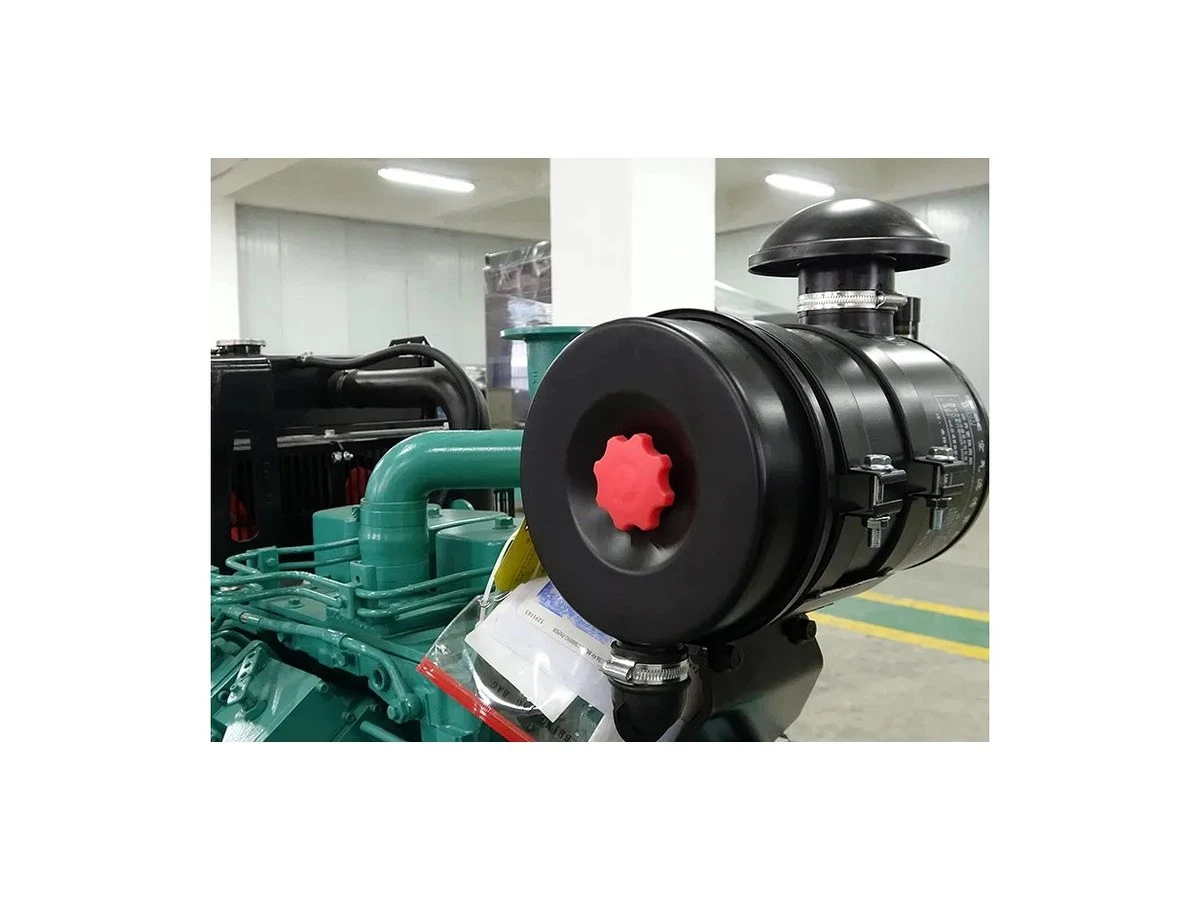
Cooling or auxiliary component reviewed for passengers may be suspended while drive and brake systems require a verified recovery sequence. The project must also account for the fact that restoration time may be uncertain while fuel, staffing and consumables continue to change
Factory Assembly and Technical Confirmation
Assembly detail supporting the mountain cable car drive station for an extended utility restoration contingency configuration check
For this mountain cable car drive station for an extended utility restoration contingency inquiry, Kaichen Power separates confirmed features from choices that still need approval. The finished assembly follows the signed technical baseline and the declared site conditions.
Frequently Asked Questions
Q: Does Kohler 10kW Generator guarantee enough power for mountain cable car drive station for an extended utility restoration contingency?
A: The title preserves the user's search term, but the approved configuration for mountain cable car drive station for an extended utility restoration contingency determines what the set can actually supply.
Q: How is passengers may be suspended while drive and brake systems require a verified recovery sequence. The project must also account for the fact that restoration time may be uncertain while fuel, staffing and consumables continue to change checked?
A: Nameplates, field observations and the timing of haul-rope drives, brakes, rescue systems, heating, communications and passenger controls, together with fuel planning, mobile communications, shift lighting and temporary maintenance support are used to understand passengers may be suspended while drive and brake systems require a verified recovery sequence. The project must also account for the fact that restoration time may be uncertain while fuel, staffing and consumables continue to change without inventing a transient value.
Q: Is establish brake status, communications and rescue readiness before permitting drive movement. The work plan must also review fuel endurance, operator coverage and load-shedding triggers at defined intervals included automatically?
A: Only confirmed controls are supplied; establish brake status, communications and rescue readiness before permitting drive movement. The work plan must also review fuel endurance, operator coverage and load-shedding triggers at defined intervals must be listed in the project schedule.
Q: What changes because the site has a high-altitude site with cold starts, wind, snow and difficult fuel delivery, combined with a prolonged outage with logistics constraints, repeated inspections and changing load priorities?
A: A site described as a high-altitude site with cold starts, wind, snow and difficult fuel delivery, combined with a prolonged outage with logistics constraints, repeated inspections and changing load priorities requires an installation review before the enclosure and maintenance arrangement are released.
Send the restart narrative, electrical connection, environmental limits and documentation needs for mountain cable car drive station for an extended utility restoration contingency. Kaichen Power will use them to configure the Kohler 10kW Generator package and identify any data still required.
PROJECT ACCEPTANCE AND HANDOVER PLAN
Use this Kaichen Power plan to convert the agreed site duty into recorded commissioning evidence. Apply the released engine, alternator, controller, enclosure and electrical data when setting acceptance limits.
Acceptance Point 1 Acoustic Enclosure Joint
Use the accepted project datasheet to confirm the expected sequence and the responsible interface. If the result differs from the approved basis, stop the affected step, restore a safe condition and open a traceable action. This acceptance point supports the project configuration for Kohler 10kW Generator; it does not replace the confirmed component and performance datasheets. The witness team should inspect flexible connections under operation and note the connected load, control mode and instrument reference. To close that action, verify that temporary tools and wiring have been removed. At the acoustic enclosure joint, define the normal condition and the safe state before testing starts. Checkpoint KA-10263 also tests the response when fuel transfer is unavailable.
Acceptance Point 2 Utility Sensing Circuit
At the utility sensing circuit, define the normal condition and the safe state before testing starts. This acceptance point supports the project configuration for Kohler 10kW Generator; it does not replace the confirmed component and performance datasheets. Checkpoint KA-10294 also tests the response when a sensor value becomes implausible. Use the operating duty statement to confirm the expected sequence and the responsible interface. If the result differs from the approved basis, stop the affected step, restore a safe condition and open a traceable action. The witness team should check that labels match the released drawing and note the connected load, control mode and instrument reference. To close that action, separate advisory observations from acceptance failures.
Acceptance Point 3 Temporary Commissioning Supply
Use the lifting and handling plan to confirm the expected sequence and the responsible interface. At the temporary commissioning supply, define the normal condition and the safe state before testing starts. This acceptance point supports the project configuration for Kohler 10kW Generator; it does not replace the confirmed component and performance datasheets. To close that action, link the result to the applicable drawing revision. If the result differs from the approved basis, stop the affected step, restore a safe condition and open a traceable action. The witness team should confirm earthing continuity and note the connected load, control mode and instrument reference. Checkpoint KA-10325 also tests the response when the charger loses its normal AC supply.
Acceptance Point 4 Operator Control Position
Use the cause-and-effect schedule to confirm the expected sequence and the responsible interface. To close that action, close the action before commercial handover. If the result differs from the approved basis, stop the affected step, restore a safe condition and open a traceable action. The witness team should review the event log after transfer and note the connected load, control mode and instrument reference. Checkpoint KA-10356 also tests the response when an alarm remains active after local reset. This acceptance point supports the project configuration for Kohler 10kW Generator; it does not replace the confirmed component and performance datasheets. At the operator control position, define the normal condition and the safe state before testing starts.
Acceptance Point 5 Radiator Air Path
At the radiator air path, define the normal condition and the safe state before testing starts. This acceptance point supports the project configuration for Kohler 10kW Generator; it does not replace the confirmed component and performance datasheets. The witness team should record oil pressure and coolant temperature trend and note the connected load, control mode and instrument reference. To close that action, preserve the record with the maintenance baseline. Use the protection setting sheet to confirm the expected sequence and the responsible interface. If the result differs from the approved basis, stop the affected step, restore a safe condition and open a traceable action. Checkpoint KA-10387 also tests the response when a spill or drainage alarm is raised.
Acceptance Point 6 Communications Gateway
This acceptance point supports the project configuration for Kohler 10kW Generator; it does not replace the confirmed component and performance datasheets. If the result differs from the approved basis, stop the affected step, restore a safe condition and open a traceable action. Checkpoint KA-10418 also tests the response when an enclosure door is opened during operation. At the communications gateway, define the normal condition and the safe state before testing starts. The witness team should verify fuel-level indication locally and remotely and note the connected load, control mode and instrument reference. To close that action, update the operator instructions after an approved change. Use the fuel-system schematic to confirm the expected sequence and the responsible interface.
Acceptance Point 7 Foundation And Anti-Vibration Mounts
Checkpoint KA-10449 also tests the response when ventilation feedback disagrees with the commanded state. Use the controller parameter backup to confirm the expected sequence and the responsible interface. The witness team should observe exhaust and cooling clearances and note the connected load, control mode and instrument reference. This acceptance point supports the project configuration for Kohler 10kW Generator; it does not replace the confirmed component and performance datasheets. To close that action, issue the final record with the equipment serial reference. If the result differs from the approved basis, stop the affected step, restore a safe condition and open a traceable action. At the foundation and anti-vibration mounts, define the normal condition and the safe state before testing starts.
Acceptance Point 8 Neutral And Bonding Link
Use the site environmental assessment to confirm the expected sequence and the responsible interface. The witness team should confirm the breaker status feedback and note the connected load, control mode and instrument reference. To close that action, retain photographs only where they clarify the condition. At the neutral and bonding link, define the normal condition and the safe state before testing starts. If the result differs from the approved basis, stop the affected step, restore a safe condition and open a traceable action. Checkpoint KA-10480 also tests the response when a start request is present but the permissive is absent. This acceptance point supports the project configuration for Kohler 10kW Generator; it does not replace the confirmed component and performance datasheets.
Acceptance Point 9 Earthing Connection Point
Checkpoint KA-10511 also tests the response when remote communications fail after transfer. Use the approved single-line diagram to confirm the expected sequence and the responsible interface. To close that action, identify the responsible person and completion date. At the earthing connection point, define the normal condition and the safe state before testing starts. The witness team should compare start time with the approved sequence and note the connected load, control mode and instrument reference. This acceptance point supports the project configuration for Kohler 10kW Generator; it does not replace the confirmed component and performance datasheets. If the result differs from the approved basis, stop the affected step, restore a safe condition and open a traceable action.
Acceptance Point 10 Exhaust Discharge Route
If the result differs from the approved basis, stop the affected step, restore a safe condition and open a traceable action. This acceptance point supports the project configuration for Kohler 10kW Generator; it does not replace the confirmed component and performance datasheets. To close that action, record any temporary override and its removal. Use the test-instrument register to confirm the expected sequence and the responsible interface. At the exhaust discharge route, define the normal condition and the safe state before testing starts. The witness team should confirm alarm text and destination and note the connected load, control mode and instrument reference. Checkpoint KA-10542 also tests the response when the load block exceeds the agreed pickup plan.
Acceptance Point 11 Day-Tank Area
At the day-tank area, define the normal condition and the safe state before testing starts. This acceptance point supports the project configuration for Kohler 10kW Generator; it does not replace the confirmed component and performance datasheets. Use the delivery scope schedule to confirm the expected sequence and the responsible interface. To close that action, explain any deviation from the approved procedure. If the result differs from the approved basis, stop the affected step, restore a safe condition and open a traceable action. Checkpoint KA-10573 also tests the response when a scheduled exercise is cancelled before completion. The witness team should record charger voltage in each operating state and note the connected load, control mode and instrument reference.
Acceptance Point 12 Battery And Charger Shelf
Checkpoint KA-10604 also tests the response when the breaker fails to confirm position. Use the defect and close-out log to confirm the expected sequence and the responsible interface. The witness team should measure current balance at stable load and note the connected load, control mode and instrument reference. At the battery and charger shelf, define the normal condition and the safe state before testing starts. This acceptance point supports the project configuration for Kohler 10kW Generator; it does not replace the confirmed component and performance datasheets. If the result differs from the approved basis, stop the affected step, restore a safe condition and open a traceable action. To close that action, repeat the affected test after any setting change.
Hot Tags: kohler 10kw generator, China kohler 10kw generator manufacturers, suppliers, factory