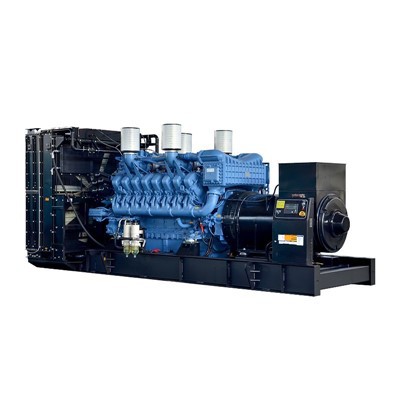
As a supplier of high voltage diesel generator sets, I am often asked about the inner workings of these powerful machines. One of the most critical components of a high voltage diesel generator set is the air intake system. In this blog post, I will explain how the air intake system of a high voltage diesel generator set works and why it is so important.
The Basics of the Air Intake System
The air intake system of a high voltage diesel generator set is responsible for supplying clean, fresh air to the engine. This air is essential for the combustion process, which powers the generator. Without a proper air intake system, the engine would not be able to function efficiently, and the generator would not be able to produce the necessary power.
The air intake system typically consists of several components, including an air filter, a turbocharger (in some cases), and a series of ducts and pipes that transport the air to the engine. Let's take a closer look at each of these components.
Air Filter
The air filter is the first line of defense in the air intake system. Its primary function is to remove dirt, dust, and other contaminants from the air before it enters the engine. A clean air filter is essential for the proper operation of the engine, as it helps to prevent damage to the engine's internal components.
There are several types of air filters available, including paper filters, foam filters, and oil bath filters. Paper filters are the most common type of air filter used in high voltage diesel generator sets. They are relatively inexpensive and easy to replace. Foam filters are also popular, as they are washable and reusable. Oil bath filters are less common, but they are very effective at removing contaminants from the air.
Turbocharger
In some high voltage diesel generator sets, a turbocharger is used to increase the amount of air that is supplied to the engine. A turbocharger is a device that uses the exhaust gases from the engine to drive a turbine, which in turn compresses the air before it enters the engine. This compressed air allows the engine to burn more fuel, which increases the power output of the generator.
Turbochargers are commonly used in high performance diesel engines, as they can significantly increase the power and efficiency of the engine. However, they also require more maintenance and can be more expensive to repair than non-turbocharged engines.


Ducts and Pipes
The ducts and pipes in the air intake system are responsible for transporting the air from the air filter to the engine. These ducts and pipes are typically made of metal or plastic and are designed to be as smooth and straight as possible to minimize air resistance.
In some cases, the ducts and pipes may also include a resonator or muffler to reduce the noise generated by the air intake system. This is especially important in high voltage diesel generator sets, as they can be quite noisy when operating.
How the Air Intake System Works
Now that we have a basic understanding of the components of the air intake system, let's take a look at how it works.
- Air Intake: The air intake system begins with the air filter, which is located at the front of the generator set. The air filter removes dirt, dust, and other contaminants from the air before it enters the engine.
- Air Compression (Optional): If the generator set is equipped with a turbocharger, the compressed air is then sent to the engine. The turbocharger uses the exhaust gases from the engine to drive a turbine, which compresses the air before it enters the engine.
- Air Distribution: Once the air has been filtered and compressed (if applicable), it is then distributed to the engine through a series of ducts and pipes. The air is typically distributed to each cylinder of the engine through an intake manifold.
- Combustion: The air is then mixed with fuel in the engine's cylinders. The fuel is injected into the cylinders at high pressure, and the air-fuel mixture is ignited by a spark plug or compression ignition. This combustion process produces power, which is used to drive the generator.
- Exhaust: After the combustion process is complete, the exhaust gases are expelled from the engine through the exhaust system. The exhaust system typically includes a muffler to reduce the noise generated by the engine.
Importance of a Proper Air Intake System
A proper air intake system is essential for the efficient and reliable operation of a high voltage diesel generator set. Here are some of the reasons why:
Improved Engine Performance
A clean air intake system ensures that the engine receives a sufficient amount of clean, fresh air. This allows the engine to burn fuel more efficiently, which increases the power output of the generator. In addition, a clean air intake system helps to prevent damage to the engine's internal components, which can extend the lifespan of the engine.
Reduced Emissions
A proper air intake system can also help to reduce emissions from the generator. By ensuring that the engine receives a sufficient amount of clean, fresh air, the combustion process is more complete, which reduces the amount of pollutants that are released into the atmosphere.
Increased Fuel Efficiency
A clean air intake system can also improve the fuel efficiency of the generator. By allowing the engine to burn fuel more efficiently, the generator uses less fuel to produce the same amount of power. This can result in significant cost savings over the life of the generator.
Conclusion
The air intake system is a critical component of a high voltage diesel generator set. It is responsible for supplying clean, fresh air to the engine, which is essential for the combustion process. A proper air intake system can improve engine performance, reduce emissions, and increase fuel efficiency.
If you are in the market for a high voltage diesel generator set, I encourage you to consider our products. We offer a wide range of High Voltage Diesel Generator sets, including 11kv Diesel Generator and 6.6kv Diesel Genset. Our generator sets are designed to provide reliable, efficient power for a variety of applications.
If you have any questions or would like to learn more about our products, please contact us. We would be happy to discuss your specific needs and help you find the right generator set for your application.
References
- Automotive Engineering Handbook, Society of Automotive Engineers.
- Diesel Engine Technology, McGraw - Hill Education.