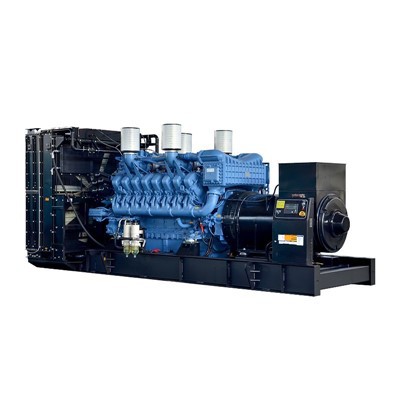
What are the air intake requirements of a mining diesel generator?
As a supplier of mining diesel generators, I understand the critical role that proper air intake plays in the performance and longevity of these machines. In the harsh and demanding environment of mining operations, ensuring that your diesel generator has an adequate and clean air supply is essential. This blog post will delve into the key air intake requirements for mining diesel generators and explain why they are so important.
The Importance of Air Intake in Diesel Generators
Diesel generators work by combusting diesel fuel in the engine cylinders. This combustion process requires a precise mixture of fuel and air. The air provides the oxygen necessary for the fuel to burn efficiently. If the air intake is insufficient or the air is contaminated, it can lead to a range of problems, including reduced power output, increased fuel consumption, and premature engine wear.
In a mining environment, the air can be filled with dust, dirt, and other contaminants. These particles can clog the air filters, reduce the airflow to the engine, and cause damage to the internal components. Therefore, it is crucial to have a well-designed air intake system that can effectively filter out these contaminants while still providing enough air for the engine to operate at its best.


Air Intake Capacity
The first requirement for a mining diesel generator's air intake is sufficient capacity. The air intake system must be able to supply enough air to meet the engine's demand at all times, especially during peak load conditions. The capacity of the air intake system is typically measured in cubic feet per minute (CFM) or cubic meters per hour (m³/h).
To determine the appropriate air intake capacity for a mining diesel generator, several factors need to be considered, including the engine's displacement, power output, and operating conditions. Generally, a larger engine will require a higher air intake capacity. For example, a high-power High Voltage Diesel Generator may need a significantly larger air intake system compared to a smaller, lower-power unit.
Air Filtration
Effective air filtration is another crucial aspect of the air intake requirements for mining diesel generators. The air filters are responsible for removing dust, dirt, and other contaminants from the incoming air before it reaches the engine. A good air filtration system can significantly extend the life of the engine and improve its performance.
There are different types of air filters available, including dry filters, oil bath filters, and combination filters. Dry filters are the most common type and are typically made of paper or synthetic materials. They are effective at capturing large particles but may need to be replaced more frequently, especially in a dusty mining environment. Oil bath filters, on the other hand, use an oil-coated element to trap contaminants. They are more effective at capturing smaller particles but require more maintenance.
Combination filters combine the advantages of both dry and oil bath filters. They can provide high-efficiency filtration while also being relatively easy to maintain. When choosing an air filter for a mining diesel generator, it is important to consider the specific operating conditions and the level of contamination in the air.
Air Intake Location
The location of the air intake is also an important consideration. In a mining environment, the air intake should be positioned in a place where it can draw in clean air and avoid taking in dust and other contaminants. It is recommended to place the air intake as high as possible and away from sources of dust, such as conveyor belts, crushers, and loading areas.
Additionally, the air intake should be protected from rain, snow, and other environmental elements. This can be achieved by using a weather hood or a cowl over the air intake. The weather hood should be designed to allow air to flow freely while preventing water and debris from entering the air intake system.
Air Intake Ducting
The air intake ducting is responsible for transporting the air from the intake to the engine. It is important to ensure that the ducting is properly sized and installed to minimize pressure losses and ensure a smooth airflow. The ducting should be made of a durable material that can withstand the harsh mining environment.
The length and diameter of the ducting can also affect the air intake performance. A longer ducting may result in higher pressure losses, while a smaller diameter ducting can restrict the airflow. Therefore, it is important to design the ducting system based on the specific requirements of the diesel generator and the operating conditions.
Monitoring and Maintenance
Regular monitoring and maintenance of the air intake system are essential to ensure its proper functioning. This includes checking the air filters regularly and replacing them when they are dirty or clogged. It is also important to inspect the air intake ducting for any signs of damage or leaks.
In addition, it is recommended to monitor the engine's performance and fuel consumption. If there is a significant decrease in power output or an increase in fuel consumption, it may be a sign of a problem with the air intake system. In such cases, it is important to have the system inspected and repaired by a qualified technician.
Conclusion
In conclusion, the air intake requirements of a mining diesel generator are crucial for its performance, efficiency, and longevity. A well-designed air intake system with sufficient capacity, effective filtration, proper location, and ducting is essential to ensure that the engine receives a clean and adequate supply of air. By paying attention to these requirements and performing regular maintenance, you can ensure that your mining diesel generator operates at its best and provides reliable power for your mining operations.
If you are in the market for a mining diesel generator or need more information about air intake requirements, please feel free to contact us. We are a leading supplier of 11kv Diesel Generator and 6.6kv Diesel Genset, and our team of experts can help you choose the right generator and ensure that it meets your specific needs.
References
- Diesel Engine Handbook, edited by Richard Stone
- Mining Equipment Maintenance and Repair Manuals