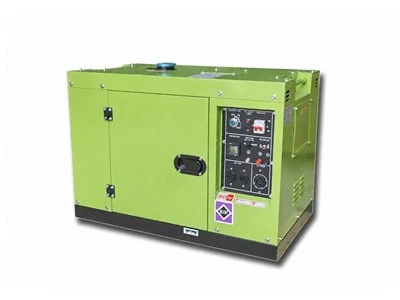
Hey there, fellow generator users! If you’ve ever shopped for a portable generator set, you know the biggest question after “how much power do I need?” is “what the hell fuel do I even use?”. As someone who’s been in this game for years as a portable generator supplier, I’ve answered this more times than I can count—from campers stuck without power on a weekend to small business owners prepping for storm season. Let’s break this down straight, no fancy jargon, so you can pick the right fuel that fits your needs, budget, and setup.
First off, let’s get one thing clear: not all generators play nice with every fuel. Portable units are different from big stationary ones, so you can’t just throw whatever you have in the tank. Each fuel has its own pros, cons, use cases, and even safety notes that matter a lot when you’re hauling a generator around or running it for hours. I’ve seen people grab whatever fuel is cheapest at the gas station and end up with a unit that won’t start, or runs like garbage the whole time. Let’s start with the most common one, right?
Gasoline, or just “gas” for short. This is probably the first fuel most people think of for portable generators, and for good reason. It’s everywhere—you can grab a gas can at any corner store, gas station, even a big box store when you’re out for groceries. No waiting on a special delivery, no hunting for a certain pump. For small, lightweight portable generators, gas is perfect because it’s less dense than other fuels, so it keeps the unit lighter and easier to carry. Like, if you’re hauling a generator up a campsite trail or to a job site, a gas-powered 2kW Generator Diesel is actually… wait, hold on, no—wait, gas vs diesel, I mixed up for a sec. The small gas units are super light, great for tailgates, powering a few tools or a fridge during a short outage.
But gas has downsides, don’t get me wrong. It’s super volatile—if you leave it sitting in the tank for more than a month or so, it goes bad. E10 gas (the regular stuff most of us get now) has ethanol that breaks down over time, gumms up the carburetor, and before you know it, your generator won’t start when you need it most. I’ve had customers bring in units that sat with gas over winter, and the carb is caked so bad we have to replace it. Also, gas generators aren’t as fuel-efficient as some other types. If you’re running a gas generator for 8+ hours straight, you’ll go through a ton of fuel, and it’ll get pretty hot, plus they tend to be louder than equivalent diesel units. Oh, and another thing: gas fumes are stronger, so you can’t run them in enclosed spaces at all—like, not in your garage, not in a tent, not even in a driveway with the garage door closed. Carbon monoxide is no joke, and gas generators put out way more of it than other fuels in that category.


Next up, diesel. Diesel is the workhorse fuel of the generator world, and it’s my personal go-to for most customers who need reliable, long-running power. Diesel fuel is way less volatile than gas—harder to ignite, which is way safer for storage, especially if you’re keeping extra fuel around for emergencies. It also doesn’t go bad nearly as fast as gas; if you add a little fuel stabilizer, it can sit for 6+ months without issue, even in cold or hot weather. That’s a huge win for preppers or small business owners who need a unit that’s ready to go whenever, not just if they remember to drain the tank every few weeks.
Diesel generators are also way more fuel-efficient than gas ones. I can’t tell you how many customers have switched to diesel after complaining about how much they spent on gas during last year’s winter storms. A lot of them come to us looking for the Most Fuel Efficient Diesel Generator, and honestly, the numbers don’t lie—you get way more runtime per gallon of diesel than gas. That means longer runs, less refueling, which is perfect for things like construction job sites, RVs, or whole-house backup for small homes. And modern diesel generators are way quieter than they used to be, too—no more rumbling like a tractor in your backyard.
Now, let’s talk about different diesel portable sizes, because not everyone needs a big 300KW CE Standard Generator Set for a commercial site. If you need something small for tailgates, camping, or powering a few essentials at home, a 3.5kVA Diesel Generator is ideal. It’s light enough to move around, uses minimal fuel, and puts out just enough power to run a microwave, a few lights, and a small space heater. For even smaller jobs, like powering a laptop, a phone charger, and a mini fridge, a 2kW Generator Diesel is the way to go—super compact, easy to store in a closet or a truck bed, and gets great gas… wait, diesel, great diesel mileage, obviously.
But diesel has its own set of stuff to consider. First, it’s not as widely available as gas. If you’re out in the middle of nowhere, or in a small town that only has a few gas stations, finding diesel can be a pain, especially if you need extra fuel in a hurry. Also, diesel fuel is usually a bit more expensive upfront than gas, though you save money in the long run because you use less of it. And in really cold weather, diesel can gel if you don’t use the right type—like, #1 vs #2 diesel, or anti-gel additives. That’s a big deal for people in places like the Midwest or Canada, where winter temps drop way below freezing. You can’t just fill up with regular diesel and expect it to start in -20°F weather.
Third on the list is propane, or liquid petroleum gas (LPG). Propane is a middle-of-the-road option that’s gotten more popular lately, mostly because it’s super clean-burning. It burns way cleaner than gas or diesel, so it puts way less emissions out, which is better for the environment, and also means less wear and tear on your generator over time—less gunk in the engine, fewer parts to replace. Propane is also stored in tanks, so you can keep big tanks around for months, and it doesn’t go bad at all. I have a few customers who use propane generators for their vacation homes, because they don’t want to deal with storing gas or diesel, and they use the home’s existing propane tank, so they never have to buy extra fuel separately.
The downsides of propane are the power output for portable units, mostly. You won’t get as much power from a propane generator as you would from a similar-sized gas or diesel one, especially for long runs. They also tend to be less efficient than diesel, so you use more fuel to get the same amount of power. And hauling a propane tank around is a pain—you can’t just grab a small 5-gallon can like you can with gas, you have to have a proper tank, and you have to make sure it’s stored and transported correctly to avoid leaks. Also, propane is highly flammable in a different way than gas—leaks are odorless (they add a scent for safety, but you still have to be extra careful), so if you have a generator inside or near your house, a leak can be a big risk.
Last but not least, natural gas. Wait, but hold on—natural gas is mostly for stationary generators, right? But a lot of people ask about portable ones that can run on natural gas, like if they have a line to their home already. The thing is, most portable generators aren’t set up for natural gas out of the box—you need a conversion kit, and they’re not as common for small portable units. They’re way more for whole-house backup, so if you’re looking for a portable generator to haul around for camping or jobs, natural gas isn’t really a feasible option. It’s mostly for stationary setups, so I’ll just mention it briefly here so you don’t get confused—if it’s portable, natural gas is probably not the fuel for you.
Now, let’s talk about how to pick the right fuel for your specific needs, because that’s the whole point. Let’s break it down by use case, since that’s usually what matters most:
If you’re a camper or tailgater, need something light, easy to haul, short runs (a few hours at a time): Gas is fine, but if you want something that doesn’t go bad, go for a small propane unit. But wait, keep in mind propane’s power. If you need a little more power, like for a small job site, a 2kW or 3kW diesel unit might be worth the extra weight for the fuel benefits.
If you need backup power for your home, or run a business that can’t go down during outages: Diesel is hands down the best. You get long runtime, reliable storage, lots of power options—from small 3.5kVA units for a few essentials to big 300KW units for a whole office or shop. The Most Fuel Efficient Diesel Generator is perfect here, because you don’t want to be refueling every few hours during a long outage.
If you care about emissions, have a place to store a big propane tank, and don’t need maximum power: Propane is a solid choice, especially if you hate dealing with old fuel.
And let’s not forget safety, because I can’t stress that enough. No matter what fuel you use, never run a generator indoors—even if it’s supposed to be “safe”. Carbon monoxide kills every year, and portable generators put out a ton of it. Always run them outside, at least 20 feet away from your house, with the exhaust pointed away from doors and windows. Never refuel a hot generator—turn it off, let it cool for at least 10 minutes, before adding fuel, because spilled gas or diesel can ignite on a hot engine. And always store extra fuel in approved containers, not old milk jugs or random plastic bottles.
If you’re still stuck on which fuel or size is right for you, that’s what we’re here for. We’ve got all the options we talked about today—from tiny 2kW generators for camping to big 300KW units for commercial use, all running on the fuel that fits your needs. Don’t hesitate to reach out if you have questions, or want to check out any of the units I mentioned—we’re here to help you get the right generator that works for your situation, no hassle.
Now, let’s wrap this up quick, just to make sure I didn’t miss anything. The main fuels for portable generators are gas, diesel, and propane, each with their own pros and cons. Gas is easy to find but goes bad fast and is volatile. Diesel is efficient, reliable, and great for long runs, but less accessible in some areas. Propane is clean, stable, but less powerful and hard to haul. If you take the time to match the fuel to how you’re going to use the generator, you’ll save yourself a ton of headache later.
Whether you’re prepping for storm season, gearing up for a camping trip, or need power for a job site, there’s a perfect fuel and generator out there for you. Don’t overcomplicate it—focus on your power needs, how long you need to run it, and how easy it is to get fuel where you are. If you’re ready to shop around and see what works, hit us up for a chat about your specific needs—we can walk you through all the options, including those fuel-efficient diesel models and the different sizes we mentioned.
References:
- U.S. Energy Information Administration. (2023). Generator Fuel Types and Their Characteristics. Retrieved from energy.gov
- National Fire Protection Association. (2022). Portable Generator Safety Guidelines. Retrieved from nfpa.org
- Weichai Power Co., Ltd. (2024). Portable Generator Set Fuel Efficiency and Specification Data. Retrieved from ab.com