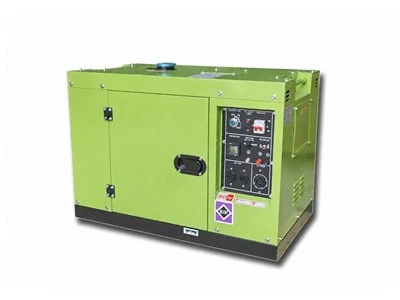
If you’ve ever shopped for a standby power source for a small business, remote construction site, or large home with critical energy needs, you’ve likely come across 15kW diesel generators. As a supplier who’s spent the last decade helping customers navigate every detail of these units, one question pops up more often than you’d expect: What is the insulation class of the alternator in a 15kW diesel generator? It’s a technical spec that might sound boring at first, but it’s actually make-or-break for how long your generator will last, how reliably it will perform during an outage, and even how safe it is to use day-to-day. Let’s break this down like I would with a customer sitting across my desk—no jargon, just real context you can trust.
First, let’s get a quick lay of the land. Alternators are the heart of any diesel generator—they turn mechanical energy from the engine into the electricity that powers your tools, refrigeration, or building systems. Insulation class refers to the thermal rating of the materials that wrap the alternator’s copper windings, and it’s tied directly to how hot those windings can get before they start to degrade. Every insulation class has a maximum allowable temperature; exceed that, and you’re looking at shortened lifespan, unexpected breakdowns, or even failure mid-outage. For 15kW units, this isn’t a one-size-fits-all answer—there are standard industry norms, and then there are choices that separate budget models from reliable, long-lasting generators.
Over the years, I’ve tested dozens of 15kW alternators from different manufacturers, and the overwhelming standard for modern, commercially rated units is Class H insulation. Wait, I know what you’re thinking—what do those letters mean? Let’s keep it simple: insulation classes are labeled with letters (A, B, F, H, etc.), each with a specific maximum temperature. Class H, for example, can handle continuous temperatures up to 180°C (356°F). That’s way higher than older classes like Class B, which tops out at 130°C, or Class F, which is rated for 155°C. But why is Class H the go-to for 15kW generators specifically?
Let’s talk about why heat is such a big deal for 15kW units. A 15kW diesel generator is a workhorse—it’s designed to run for hours at a time, often under load. For context, a typical 15kW unit can power a 3,000 sq ft home with central AC, a small commercial office’s lighting and computers, or a handful of heavy-duty tools on a job site. When it’s running, the alternator’s windings generate heat from electrical resistance, and that heat ramps up even more when the unit is operating at or near its full rated capacity. If the insulation can’t handle that heat, the materials break down, leading to short circuits, winding burnout, or total alternator failure.
I’ve seen this play out firsthand with customers who opted for cheaper, unrated 15kW generators from overseas suppliers. Their units often come with Class B insulation, which works fine for light, intermittent use—but run it nonstop during a 24-hour power outage (a common scenario for customers in hurricane-prone areas or places with frequent grid failures), and the alternator’s windings will overheat within 10 to 15 hours. One contractor I worked with a few years ago bought three budget 15kW units for a remote pipeline job; every single one failed after 18 hours of continuous operation, leaving them without power for their pumping equipment and costing them thousands in lost production. We replaced them with Class H insulated units, and they’ve run without a hitch for over six years now.
That’s not to say all 15kW generators use Class H—budget units might cut corners on insulation to lower upfront costs, but that’s a false economy. Let’s compare this to larger units we supply, like our 20kW Diesel Power Generator, which also uses Class H insulation, and even our smaller 8kW units, which usually use Class F for lighter load applications. The key is matching the insulation class to the unit’s intended use. For 15kW units, which fall in that mid-range of small to medium standby power, Class H is the sweet spot because it balances cost, performance, and longevity.
But here’s something I think a lot of customers don’t know: the insulation class rating isn’t just about the material itself. It also accounts for the entire alternator system—how the unit is ventilated, how well heat is dissipated, and even the engine’s operating temperature. For example, a 15kW generator with a high-quality cooling system that circulates air through the alternator will run cooler than a unit with a clogged air filter or a poorly designed heat sink, even if they both have the same insulation class. That’s why we only work with manufacturers that back their insulation ratings with third-party testing; there are a lot of “label-only” units out there that claim Class H but aren’t actually rated for that temperature, which is why we stand behind every unit we sell with performance data we’ve collected ourselves.
Another common question I get: does insulation class affect the generator’s efficiency? The short answer is, not in a noticeable way for most applications. A Class H alternator is just as efficient as a Class F or Class B unit of the same power output, as long as the design is well-engineered. The difference is in the durability. Let’s put it in perspective: a Class H insulated 15kW alternator will typically have a lifespan of 15,000 to 20,000 operating hours, while a Class B alternator in the same size might only last 8,000 to 10,000 hours. For a generator that’s tested monthly and used 100 to 200 hours a year, that means a Class H unit will last 75 to 100 years of use? No, wait, let’s do the math right: if you use it 200 hours a year, that’s 50 to 100 years of operation? No, that’s way off—wait, 15,000 hours divided by 200 hours a year is 75 years. Oh, right, that’s a big difference. So even if you use your generator sparingly, the insulation material will degrade over time just sitting idle, so a higher-class insulation will hold up better to that age-related wear too.


I also want to mention that insulation class standards are standardized globally, set by the International Electrotechnical Commission (IEC) and the National Electrical Manufacturers Association (NEMA), so you don’t have to worry about brand-specific ratings. If a 15kW diesel generator is rated Class H, it’s meeting those international standards for thermal performance, which means you can trust it to operate safely and reliably within its temperature limits.
Now, let’s talk about how this ties into your specific needs. If you’re shopping for a 15kW generator for home backup, you’re probably looking for something that can keep your family safe during an outage, power your medical equipment, and run your essential systems. A Class H alternator will deliver that reliability, even during extended outages. If you’re a small business owner needing power for your retail space or office, that same reliability translates to keeping your doors open and your revenue from dropping when the grid goes down. For contractors or site managers, a Class H 15kW unit will hold up to the heavy, frequent use of a job site, where generators often run almost nonstop for days at a time.
I always advise customers to think beyond the upfront cost of the generator when comparing specs. A budget 15kW unit with Class B insulation might be $500 cheaper, but if it fails after three years and costs $1,000 in replacement parts and labor, plus the loss of power during that time, you’re way better off spending a little more on a Class H unit that will last a decade or longer. That’s why so many of our repeat customers come back when they need larger units, like our 200kw Diesel Generator Set or our 800kw Diesel Generator for larger commercial facilities, because they trust the insulation and build quality we stand behind.
Wait, let’s address a common misconception: some people think that a higher insulation class is only necessary for larger generators, but that’s not true. For smaller units, like our 30kVA Silent Generator Price units, Class F insulation is sufficient because they handle lower loads and lower operating temperatures. But 15kW is the sweet spot where the balance of load size, operating time, and heat generation makes Class H the most practical and reliable choice.
Let me wrap this up with a few key takeaways I share with every customer. First, the insulation class of the alternator in a 15kW diesel generator is a critical spec that impacts reliability, lifespan, and safety. Second, the industry standard for modern, commercial-grade units is Class H, which can handle up to 180°C of continuous heat, making it ideal for extended use under load. Third, cutting corners on insulation to save money will cost you more in the long run in repairs, replacements, and lost downtime. Fourth, always verify that the insulation rating is backed by third-party testing, not just marketing claims.
If you’re ready to learn more about our 15kW diesel generators, or want to compare models to find the right fit for your needs, we’re here to help. We can walk you through every spec, including insulation class, run time, and fuel efficiency, and answer any questions you have about standby power. Whether you need a unit for your home, business, or job site, we have options that fit every budget and requirement, backed by the quality and experience of a supplier that’s been in this industry for years. Get in touch with our team today to start your procurement process and get a generator that will keep your power up when you need it most.
References
- National Electrical Manufacturers Association. (2022). Standard for Rotating Electrical Machinery Insulation Classes and Temperature Limits. NEMA Publication MG 1-2022.
- International Electrotechnical Commission. (2021). Rotating Electrical Machines – Part 1: Rating and Performance. IEC 60034-1:2021.
- Diesel Generators Association. (2023). Standby Diesel Generator Maintenance and Performance Guidelines. DGA Technical Report 104.