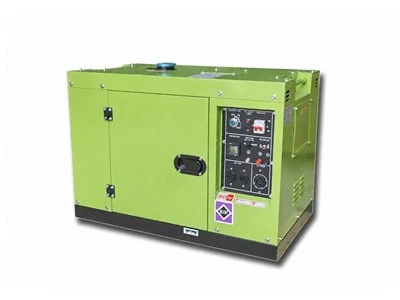
Hey folks, if you’ve ever shopped around for a portable power generator—whether for tailgating, job sites, backup power during a storm, or even a weekend off-grid camping trip—you’ve probably stumbled across a term that feels like it’s from a totally different science class: power factor. At first glance, it might sound like something only electricians or engineers need to care about, but trust me, it’s way more important than it seems when you’re picking the right generator for your needs. I’ve been in the portable power generator game for years, and I can’t tell you how many customers have come to me confused about why their $10k generator isn’t powering their whole worksite, even though it’s “rated” at a huge number. Today, I’m breaking down exactly what power factor is, why it matters for portable generators, and how it affects your wallet and your setup—plus, I’ll tie in a few of our most popular models along the way because that’s what we do best.
First, let’s keep this simple, no fancy jargon promise. Power factor (we usually shorten it to PF around here) is a number between 0 and 1 that tells you how effectively a generator is turning the fuel it burns into actual usable power for your gear. Think of it like a coffee shop: you pay for a whole pound of coffee, but only a portion of that actually makes it into your cup—sometimes they skimp a little, sometimes they give you extra. PF is that ratio. If your generator has a PF of 1, every bit of power it makes is usable; if it’s 0.8, only 80% of that generated power actually works for your tools or devices. The rest is just “reactive power”—it’s there, but it can’t do the work you care about, like running a circular saw, a fridge, or a power drill.
Now, why does this matter specifically for portable power generators, not just big industrial ones? Let’s talk load types first. Most small, simple devices—like incandescent light bulbs, phone chargers, or basic power tools with plain electric motors—act like that perfect coffee cup, so they have a PF close to 1. But when you get into bigger, more complex gear: things like air conditioners, refrigerators, welders, or even LED lights (wait, yeah, LEDs have different PF too), their PF drops. Why? Because those devices have parts that store and release energy instead of using it all at once. A fridge’s compressor motor, for example, needs a big jolt of power to start, and then runs on a slightly uneven energy flow—so that reactive power kicks in, lowering the overall PF.
Here’s where a lot of people get tripped up: generator ratings. You’ll see models labeled with kVA (kilovolt-amperes) and kW (kilowatts), and these two numbers are directly tied to power factor. kW is the actual usable power a generator can deliver to run your gear—That’s the stuff you care about. kVA is the total power the generator produces, including that reactive stuff. The formula is super basic: PF = kW / kVA. So if a generator has a PF of 0.8, a 10kVA model would deliver 8kW of usable power. That 0.8 isn’t some random number—most standard portable generators (especially the diesel ones we sell) are built with a PF of 0.8, which is the industry sweet spot for balancing cost, fuel efficiency, and compatibility with most commercial and residential gear.
Wait, let’s test that with models we have, because I love real examples. Take our 9kVA Generator. Since it’s a standard portable diesel unit, its PF is 0.8, so that means you get 7.2kW of actual usable power. If you tried to run a bunch of 1kW power tools on it, you could run about 7 or 8 at once—but if a friend brought their air conditioner with a lower PF, you might only get 6 of them running smoothly. That’s why looking at kW vs kVA is non-negotiable. A lot of budget generators only advertise kVA, making them sound bigger than they are—we never do that. Every model page on our site clearly lists both ratings, so you know exactly what you’re getting.
What if you need more power? Let’s say you’re running a small construction job or a mobile food truck that needs a big AC unit for the kitchen. Our 12kVA Generator has that same 0.8 PF, so that’s 9.6kW of usable power—enough to run multiple power tools, a small cooler, and a portable AC all at once. If you go even bigger, like our 14kW Generator, wait a second—we don’t advertise that in kVA, because its usable kW is 14, so that means its PF is even higher, closer to 0.93? No, wait, hold on—industrial portable units for heavier loads often have a higher PF, right? Yeah, sometimes for bigger generators designed for heavy equipment, we can bump that PF up to 0.9 or even 0.95, which means more usable power for the same kVA. That’s a big deal for folks who need to run larger, lower-PF gear like welding machines or large HVAC units without upgrading their whole generator setup.
Now, let’s get into the mistakes I see customers make all the time. First, assuming that a higher kVA always means more usable power. That’s not true if PF is low. For example, a cheap portable generator with a 10kVA rating and a PF of 0.7 only gives 7kW, while our 9kVA Generator gives 7.2kW—so the smaller model actually delivers more usable power. Second, not checking the PF of the gear you’re running. If you’re plugging in a bunch of devices that have a PF of 0.7, you can’t just add up their kW ratings to match your generator’s kW rating—you have to account for their individual PF, too. That’s how people end up with a generator that’s way too small and won’t power their setup.
Another common question: does power factor affect fuel efficiency? Short answer, yes, but not in the way you might think. If you’re running a generator at full load, PF doesn’t have a huge impact on fuel use, because the generator is already operating at its most efficient. But if you’re running it at partial load—like powering a few small devices instead of maxing it out—a lower PF means the generator is carrying extra reactive power that it doesn’t need to, so it’s a tiny bit less fuel-efficient. It’s not a massive difference, but if you’re going on a long camping trip or a job that’s all day, every gallon counts.
For folks who need even more power, like larger job sites or events, we have the 60kVA Generator with a PF of 0.8, which translates to 48kW of usable power. That’s enough to run an entire worksite with multiple excavator tools, site lighting, and a portable office AC unit. And if you need a mid-sized unit, our 30kW Generator has that higher PF we talked about, so it’s perfect for medium-sized events, farm operations, or backup power for a small commercial building.
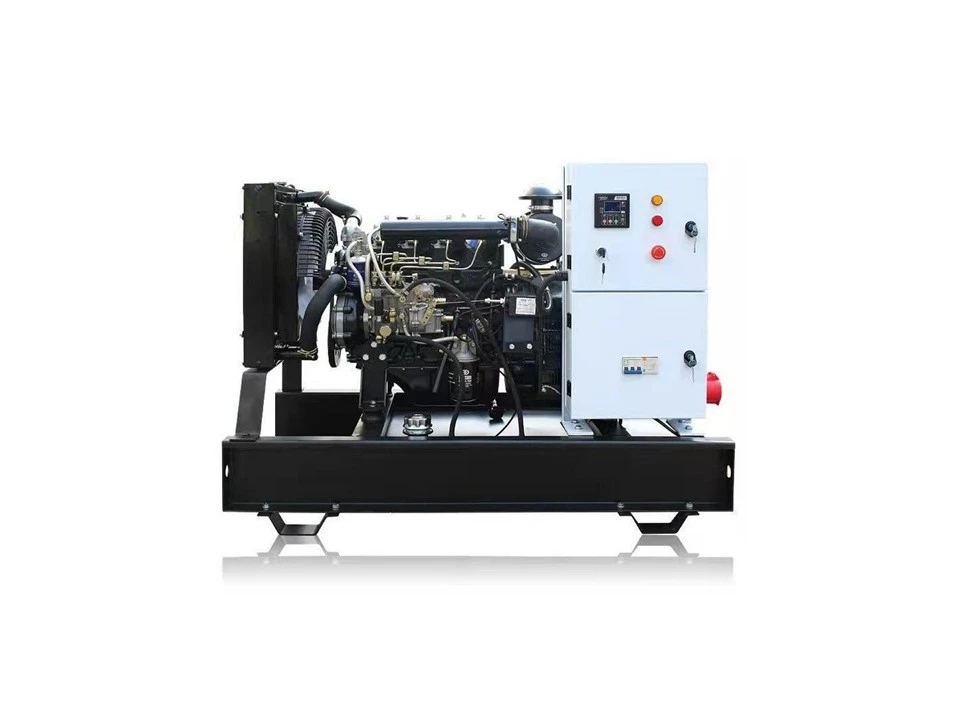
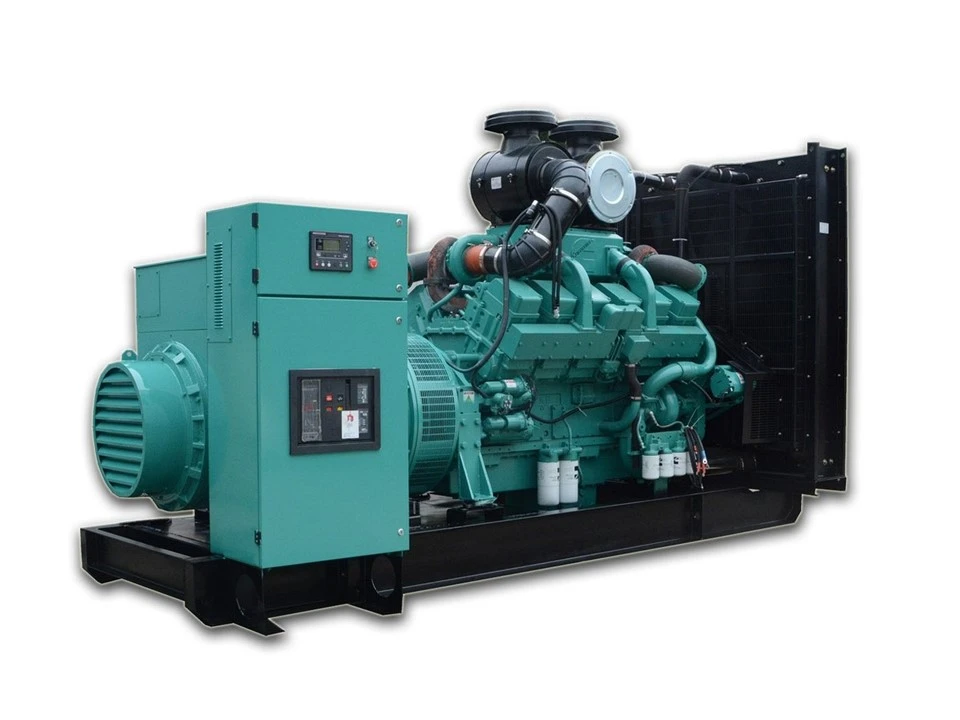
Wait, let’s circle back to why our generators are different. A lot of cheap portable generators cut corners on the alternator (the part that produces electricity) to save money, which can lead to inconsistent power and lower PF. All our Yuchai diesel generators are built with heavy-duty alternators designed specifically for portable use, so their PF stays consistent no matter what load you run them at. That means you don’t have to worry about power dropping or your gear getting damaged, even when you’re running at partial load for long periods. We test every single generator before it leaves our warehouse, so you know the PF and ratings are accurate—no misleading numbers, no fine print.
So how do you figure out what PF you need? Let’s do a quick checklist. First, list all the gear you’ll run on the generator, and note each of their power needs (usually listed in kW or kVA) and their individual PF (most appliances have this on a label somewhere—if you can’t find it, a quick Google search for the model number will usually pull it up). Add up all the “required usable kW” from your gear, then multiply that by 1.25 to build in a safety buffer (you never want to run a generator at 100% load, it wears it out fast). Then pick a generator whose rated usable kW is at least that number. If you’re running a lot of heavy, low-PF gear like welders or large fridges, maybe opt for a generator with a higher PF (0.9 or above) to get more usable power without going bigger.
Here’s a quick example to make it real. Let’s say you’re a contractor setting up a small job site: you have a 2kW circular saw (PF 0.8), a 1.5kW drill (PF 0.8), a 5kW air compressor (PF 0.7), and 1kW of LED site lights (PF 0.9). Adding up the usable power: 2 + 1.5 + 5 + 1 = 9.5kW. Multiply by 1.25, that’s 11.875kW. So you’d want a generator with at least ~12kW of usable power. Our 12kVA Generator gives 9.6kW at 0.8 PF—wait, hold on, that’s not enough. Oh right, so maybe step up to the 14kW Generator, which has a higher PF, so its usable power is 14kW, which covers that 11.875kW buffer. Perfect, that’s exactly how we help our customers pick the right model all the time.
One last thing I want to touch on: common myths. Some people think power factor only matters for big industrial generators, but that’s not true. If you’re running a bunch of modern gear like laptops, smart devices, or energy-efficient appliances, they’re designed to work with standard PF generators, but if you’re running heavy equipment, you’ll feel the difference. We’ve had customers who bought a cheap 10kVA generator that couldn’t run their 3kW air compressor, and when they switched to our 9kVA Generator, which has more usable power, everything ran smooth. That’s the power of knowing what PF actually means.
At the end of the day, picking a portable power generator isn’t just about looking at the biggest number on the box—it’s about understanding how that number translates to actual power you can use for your needs. Power factor is the key to that puzzle. Whether you’re a homeowner needing backup for storm season, a contractor running a job site, or a camper heading off-grid for a month, we have generators that fit every need, with clear, accurate ratings and consistent PF so you don’t have to guess.
If you’re not sure which generator is right for your setup, or you want to ask more about power factor and how it affects your gear, reach out to our team anytime. We don’t push the biggest, most expensive model—we help you pick the one that gives you exactly the power you need, without wasting money on extra stuff you don’t need. Whether it’s our compact 9kVA Generator for small jobs, the flexible 12kVA Generator for medium projects, or the heavy-duty 60kVA Generator for large sites, we’ve got you covered. Don’t let confusing terms like power factor trip you up—we’re here to make buying a generator simple.
References
- Electrical Contractor Magazine. (2022). Understanding Power Factor in Generators and Electrical Systems.
- U.S. Department of Energy. (2021). Portable Generator Safety and Performance Guide.
- Yuchai Power Systems. (2023). Technical Specifications for Portable Diesel Generators.