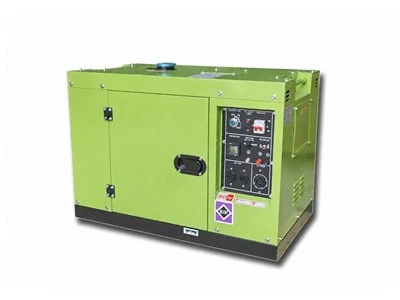
Regularly checking the battery of a household diesel generator is crucial to ensure its reliable performance during power outages. As a trusted household diesel generator supplier, I am well - versed in the ins and outs of proper battery maintenance. In this blog post, I'll share with you a comprehensive guide on how to check the battery of a household diesel generator.
Why is Battery Check Important?
The battery of a household diesel generator serves as the power source to start the engine. A weak or faulty battery can prevent the generator from starting when you need it most. Moreover, a well - maintained battery can extend its lifespan, saving you the cost of frequent replacements. Whether you own an 80kw Diesel Generator Set, a 150kw Diesel Generator Set, or even a high - capacity 1500kw Diesel Generator, the battery's health is of utmost importance.
Pre - check Preparations
Before you start checking the battery, it is essential to take some safety precautions. First, make sure the generator is turned off and disconnected from any electrical loads. This will prevent any accidental electrical shocks. Wear protective gear such as gloves and safety glasses to protect yourself from battery acid, which can be corrosive.


Visual Inspection
The first step in checking the battery is a visual inspection. Look for any signs of physical damage, such as cracks, leaks, or bulges on the battery case. A cracked or leaking battery is a serious safety hazard and should be replaced immediately. Also, check the battery terminals for corrosion. Corrosion appears as a white or greenish - blue powder on the terminals, which can impede the flow of electricity.
Terminal Cleanliness
Clean terminals are key to good electrical conductivity. If you notice corrosion on the terminals, you can clean them using a mixture of baking soda and water. Make a paste by mixing about one tablespoon of baking soda with half a cup of water. Use a wire brush to gently scrub the terminals and the cable connections. Rinse the terminals with clean water and dry them thoroughly. After cleaning, apply a thin layer of petroleum jelly to the terminals to prevent future corrosion.
Battery Voltage Check
One of the most important aspects of battery checking is measuring its voltage. You will need a digital multimeter for this task. Set the multimeter to the DC voltage setting. For a 12 - volt battery, a fully charged battery should read around 12.6 to 12.8 volts. A reading below 12.4 volts may indicate that the battery is partially discharged, and a reading below 12 volts could mean the battery is severely discharged or faulty.
If you have a 100kw Diesel Generator Set or a 1000kw Diesel Generator Set, which may use multiple batteries connected in series or parallel, make sure to check each battery individually and then the overall system voltage.
Specific Gravity Check (for Flooded Batteries)
If your generator uses flooded lead - acid batteries, you can also check the specific gravity of the electrolyte. Specific gravity is a measure of the density of the electrolyte and can indicate the state of charge of the battery. You'll need a hydrometer, which can be purchased at an auto parts store.
To use the hydrometer, carefully extract some electrolyte from each cell of the battery (make sure to do this one cell at a time). Squeeze the rubber bulb on the hydrometer and insert the tube into the cell. Release the bulb to draw the electrolyte into the hydrometer. Read the specific gravity value on the hydrometer's scale. A fully charged battery typically has a specific gravity of around 1.265 to 1.280 at 80°F (27°C). If the specific gravity is significantly lower, the battery may need to be recharged or replaced.
Battery Load Test
A load test can provide a more accurate assessment of the battery's capacity to deliver power under a load. To perform a load test, you'll need a battery load tester. This device applies a load to the battery for a short period and measures the voltage drop.
Connect the load tester to the battery terminals according to the manufacturer's instructions. Apply a load equivalent to half of the battery's cold - cranking amps (CCA) for 15 seconds. If the voltage drops below a certain level (usually around 9.6 volts for a 12 - volt battery), the battery may be weak and unable to start the generator reliably.
Recharging the Battery
If you find that the battery is discharged, you need to recharge it. You can use a battery charger designed for lead - acid batteries. Make sure to select the appropriate charging rate based on the battery's specifications. Overcharging can damage the battery, while undercharging can lead to sulfation, which reduces the battery's capacity.
Frequency of Checks
The frequency of battery checks depends on several factors, such as the type of battery, the environment in which the generator is stored, and how often the generator is used. As a general rule of thumb, it is recommended to visually inspect the battery monthly and perform a voltage check every three months. If the generator is used frequently or is stored in a hot or cold environment, more frequent checks may be necessary.
When to Replace the Battery
Even with proper maintenance, batteries have a limited lifespan. Usually, a lead - acid battery in a household diesel generator lasts about 3 - 5 years. Signs that it's time to replace the battery include consistently low voltage readings, inability to hold a charge after recharging, and excessive corrosion or physical damage.
Conclusion
Taking the time to regularly check the battery of your household diesel generator can ensure that it will start reliably when you need it. By following the steps outlined in this guide, you can diagnose battery issues early and take appropriate action, whether it's cleaning the terminals, recharging the battery, or replacing it.
As a household diesel generator supplier, we offer a wide range of high - quality generators and can provide you with the best advice on battery maintenance for your specific needs. If you're considering purchasing a new generator or have any questions about battery care, please don't hesitate to contact us for a procurement discussion. We're here to help you find the right solution for your power needs.
References
- "Battery Maintenance Guide for Diesel Generators", Generac Power Systems.
- "Understanding Lead - Acid Batteries", Trojan Battery Company.
- "Generator Owner's Manuals", Manufacturer Publications from Various Brands.