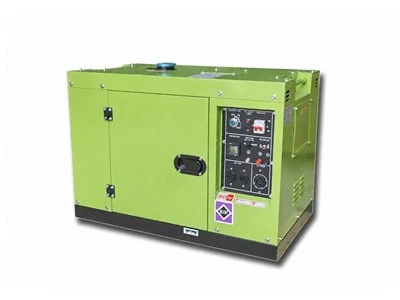
Hey there! As a supplier of High Voltage Diesel Generators, I often get asked about the electromagnetic interference (EMI) levels of these powerhouses. It's a crucial topic, especially for those who rely on these generators in sensitive environments. So, let's dive right in and explore what EMI levels are all about when it comes to high voltage diesel generators.
First off, what exactly is electromagnetic interference? Well, EMI is basically the disruption that occurs when an electromagnetic field affects an electrical circuit. This can happen due to various sources, like radio waves, electrical motors, and yes, high voltage diesel generators. When a generator is running, it produces electrical currents, and these currents can generate electromagnetic fields. If these fields are strong enough, they can interfere with other electronic devices in the vicinity.
Now, the EMI levels of a high voltage diesel generator can vary depending on several factors. One of the main factors is the design of the generator itself. A well-designed generator will have features that help reduce EMI. For example, it might have shielding around the electrical components to contain the electromagnetic fields. Some generators also use special filters to block out unwanted frequencies.
Another factor that affects EMI levels is the load on the generator. When a generator is under a heavy load, it has to work harder, which can increase the strength of the electromagnetic fields it produces. So, if you're running a lot of equipment off the generator at the same time, you might see higher EMI levels.
The location of the generator also plays a role. If the generator is placed close to other electronic devices, the electromagnetic fields it produces are more likely to interfere with those devices. On the other hand, if the generator is located in a well-shielded area or at a distance from sensitive equipment, the impact of EMI can be minimized.
As a supplier of High Voltage Diesel Generator, we take EMI seriously. We know that our customers rely on our generators in a variety of settings, from industrial sites to remote locations. That's why we make sure that our generators are designed to meet strict EMI standards.
Let's take a look at some of the specific types of high voltage diesel generators we offer and how their EMI levels might differ.


6.6kv Diesel Genset
Our 6.6kv Diesel Genset is a popular choice for many applications. It's designed to provide a reliable source of power at a medium voltage level. When it comes to EMI, this genset is equipped with advanced shielding and filtering technologies. These features help to keep the electromagnetic fields under control, reducing the risk of interference with other electronic devices.
11kv Diesel Generator
The 11kv Diesel Generator is a more powerful option, suitable for larger industrial applications. With a higher voltage output, it's important to manage the EMI levels carefully. Our 11kv generators are built with heavy-duty shielding and high-performance filters. This ensures that the electromagnetic fields are contained within the generator, minimizing the impact on the surrounding environment.
Mining Diesel Generator
For the mining industry, we offer Mining Diesel Generator. Mines often have a lot of sensitive electronic equipment, such as communication systems and control devices. That's why our mining generators are designed to have extremely low EMI levels. We use special materials and construction techniques to reduce the electromagnetic emissions, so they won't interfere with the operation of other equipment in the mine.
To measure the EMI levels of our generators, we use specialized testing equipment. This allows us to accurately determine the strength of the electromagnetic fields at different frequencies. We also conduct tests in real-world conditions to make sure that our generators perform well in actual applications.
So, why is it important to pay attention to EMI levels? Well, if the EMI levels are too high, it can cause a variety of problems. For example, it can disrupt the operation of electronic devices, leading to malfunctions or even damage. In some cases, it can also affect the performance of communication systems, making it difficult to transmit and receive signals.
In industries where safety is a top priority, such as healthcare and aerospace, high EMI levels can be a serious issue. For example, in a hospital, EMI can interfere with medical equipment, potentially putting patients at risk. That's why it's crucial to choose a high voltage diesel generator that has low EMI levels.
As a supplier, we're committed to providing our customers with generators that not only meet their power needs but also comply with EMI standards. We understand that every customer has unique requirements, and we're here to help you find the right generator for your application.
If you're in the market for a high voltage diesel generator, I encourage you to get in touch with us. We can provide you with more information about our products, including their EMI levels. We can also help you choose the right generator based on your specific needs and budget. Whether you need a 6.6kv genset, an 11kv generator, or a mining diesel generator, we've got you covered.
In conclusion, the EMI levels of a high voltage diesel generator are an important consideration. By choosing a generator with low EMI levels, you can ensure the reliable operation of your electronic devices and minimize the risk of interference. If you have any questions or would like to discuss your requirements further, don't hesitate to reach out. We're here to help you make the best decision for your power needs.
References
- Electromagnetic Compatibility Handbook, edited by Keith Armstrong and Mark Ianoz
- IEEE Standards for Electromagnetic Compatibility