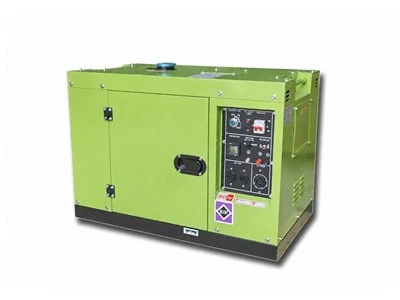
If you’ve ever spent a day chasing golden hour for a photoshoot, setting up a studio in a remote location, or troubleshooting mid-shoot when your gear dies, you’ve probably wondered: can a portable power generator be used for photography equipment? As someone who’s spent years in the portable power generator supply game, working with everyone from hobbyist photographers to commercial studios, I’m here to tell you the short answer is a resounding “yes”—but only if you pick the right generator, and use it smart.
First, let’s cut through the noise and talk about what photography gear actually needs to run. Most people don’t realize that a typical photographer’s setup isn’t just cameras. Sure, your DSLR or mirrorless uses barely any power (think 10-20 watts max for a charged, idle body), but the rest? That’s where the demand ramps up. If you’re doing outdoor studio work, you’ve probably got strobe lights—those big flash heads that need anywhere from 200 watts up to 1,000 watts per unit. Add in light stands with built-in LED panels, maybe a portable air conditioner for your tent studio if you’re shooting in a hot desert, a laptop to edit shots on the fly, a drone for aerials, and even a portable fridge to keep lens coatings from melting in the sun, and suddenly your power needs add up fast.
The mistake I see a lot of photographers make is grabbing any random portable generator off a rental shelf or big-box store. Those cheap, gas-powered models that run loud and bump voltage up and down? They’re great for powering a coffee maker, but not for sensitive camera gear. Flash units, laptops, and drones all rely on stable, consistent AC power (or clean DC power, if you’re going inverter-powered) to avoid glitches—think corrupted RAW files, a drone mid-flight losing power, or a strobe that fires unevenly. So the key isn’t just “can a portable generator run my gear?” it’s which portable generator for photography is going to keep all your stuff safe and running smoothly.
Let’s break down the most common scenarios photographers run into, and what generators work for each.
First up: day-to-day on-location shoots. If you’re shooting weddings, family portraits, or street-style sessions in a park or backyard, you don’t need a massive 1000KW Generator—wait, no, hold on. Wait, 1000KW is for industrial stuff like construction sites, that’s overkill for a single photographer’s gear. For small, portable setups, you’re looking at something compact, quiet, and with just enough power to cover 2-3 strobes, a laptop, and a couple of LED panels. That’s where a 7kW Generator comes in clutch. A 7kW unit isn’t huge, it’s quiet enough that it won’t ruin a wedding photoshoot (no one wants a generator roar in the background of vows), and it outputs clean sine wave power—perfect for sensitive electronics. I’ve had so many wedding photographers come to me asking for this exact model, because it fits in the back of a SUV, runs for 8+ hours on a single tank, and doesn’t draw unwanted attention from guests or venue staff.
Next: larger location shoots, like fashion campaigns or product photoshoots that need multiple strobes, plus a dedicated editing station. Those might call for a bit more oomph. Let’s say you’ve got four 500W strobes, two LED panels, a desktop workstation, a drone charging station, and a small A/C unit for your mobile studio. Now we’re talking around 2,500-3,500 watts of continuous power. A 9kVA Generator is ideal here. Wait, what’s kVA vs kW? For powering gear, 1kVA is roughly 0.8kW for resistive loads like strobes and LEDs, so a 9kVA generator is about 7.2kW of usable power—exactly enough to cover that bigger setup without breaking the bank. It’s still portable enough to tow to a beach or warehouse, and the clean power it puts out means no fried laptop hard drives or fizzling strobes mid-show.
Then there’s the rare but tough scenario: long-duration shoots in really remote areas. I’m talking multi-day nature documentary shoots, or product testing out in the middle of a national park where there’s no cell service and no way to refuel often. For that, you need something that can run for days without a refill, and handle the load of heavy gear like multiple cameras, battery chargers, monitoring equipment, and even a small security system for your gear when you’re off scouting. Now, this isn’t a 7kW or 9kVA unit—this is where you’d look at a 13kW Generator. A 13kW diesel-powered model (diesel is more fuel-efficient for long runs than gas) can go 24+ hours on a full tank, puts out enough power for even the most demanding commercial photography setups, and is built to handle dust, wind, and rough terrain that comes with remote work. A lot of nature photographers I work with swear by these, because you can set it up at base camp, charge all your gear overnight, and not worry about it dying mid-scouting trip or multi-hour photoshoot.
Wait, and what about that 2400KW Diesel Engine Driven Generator? Yeah, that’s for the big leagues—like a commercial photoshoot with an entire team, multiple studio units, and even temporary construction for a set. If you’re doing a big ad campaign with 10+ strobes, multiple editing workstations, hair and makeup stations, and a full refreshment area for the crew, that 2400KW unit is the one to call for. It’s not portable in the “throw it in your trunk” sense, but it’s designed to be moved with a truck, and it’s built to run nonstop for days without needing a lot of maintenance. It’s overkill for most solo or small-team photographers, but for larger operations, it’s a game-changer.

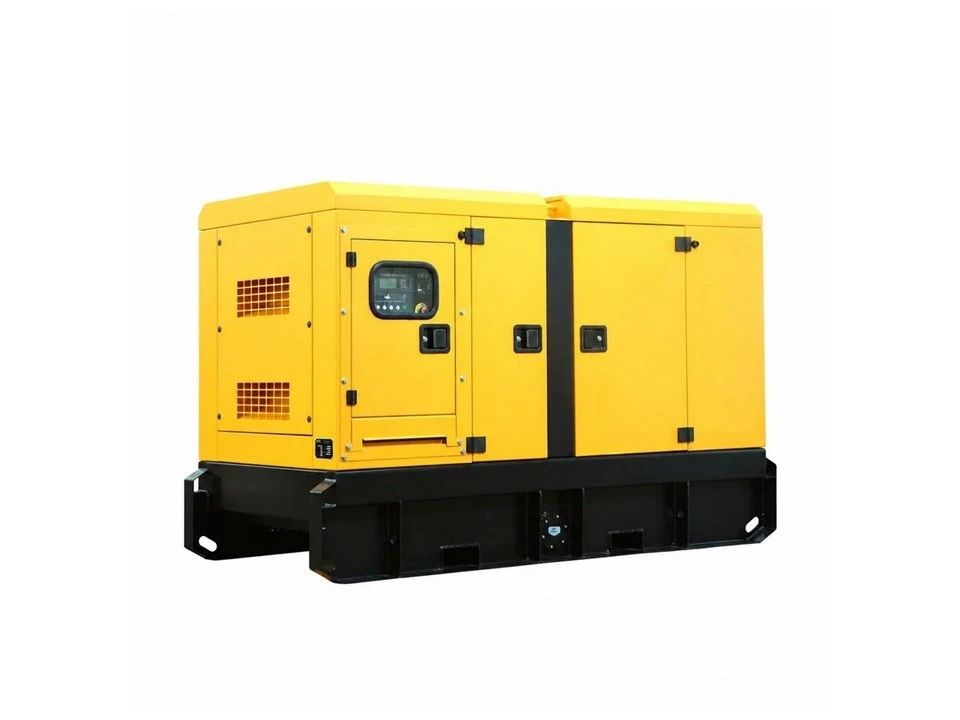
Now, let’s talk about the big “don’ts” that I see photographers mess up all the time when using generators for photography. First: never use a conventional generator (not inverter-powered) for sensitive gear. Conventional generators output dirty power—voltage spikes and drops that can damage camera sensors, laptop motherboards, and drone batteries. All the models I mentioned (7kW, 9kVA, 13kW, 1000KW, that big 2400KW unit) are inverter or clean power generators, so that’s a non-issue. Second: calculate your total power load before you buy. A lot of people just guess, but if you add up all your gear’s wattage, add 20% extra for startup power (strobe lights draw a bit more when they fire up), you’ll avoid buying a generator that’s too small, or wasting money on one that’s too big. Third: keep the generator ventilated, and never run it inside a tent, vehicle, or enclosed space. Carbon monoxide is a killer, even if you think you’re “just stepping away for a minute.” I can’t stress that enough—even a small generator run in a closed studio tent is a huge safety risk.
Another thing to consider: noise. If you’re shooting at a venue that has noise restrictions (like most hotels, parks, or urban areas), a loud generator will get you kicked out. All the inverter models we work with run at 60 decibels or less at 20 feet—about as loud as a normal conversation. That’s way quieter than traditional gas generators, so you won’t have to pause a shoot or negotiate with venue staff about noise levels.
I should also mention battery-powered portable stations, because a lot of photographers love those for small setups. But here’s the catch: most of the big battery stations top out at 2,000 watts, which only works for basic gear. If you’re running multiple strobes or an A/C unit, they’ll die in a couple of hours. They’re great for backup power, but not for long shoots. The generators we sell are designed for consistent, all-day or multi-day power, which is what most photographers actually need.
Let me tell you a quick story to illustrate. A few months back, a fashion photographer contacted me for a last-minute job shooting a new clothing line in a downtown warehouse. The original power got turned off by the building management, so she needed to run 6 strobes, two laptop editing stations, and a fan for the crew. She’d rented a cheap conventional generator from a local place, but within an hour, her assistant’s laptop started glitching, and one of the strobes fired unevenly. We sent out a 9kVA Generator, and she was able to finish the entire shoot without any issues. She’s now a repeat customer, and refers all her photographer friends to us. That’s the kind of thing we live for—helping creators not have to stress about power.
So to circle back to the original question: yes, a portable power generator absolutely can be used for photography equipment, but only if you pick the right size, type, and power output for your specific setup. For small on-location shoots, go for a compact, quiet inverter model like the 7kW Generator. For medium shoots with multiple strobes and editing stations, the 9kVA is perfect. For remote, multi-day shoots, the 13kW will keep your gear running nonstop. And for large commercial shoots with full crews and equipment, the 1000KW or even the 2400KW Diesel Engine Driven Generator will handle whatever you throw at it.
If you’re a photographer tired of worrying about power dying mid-shoot, or dealing with damaged gear from dirty power, we’ve got options tailored exactly for you. We don’t sell one-size-fits-all generators—we work with you to figure out exactly how much power you need, what kind of shoots you do, and how portable you need your unit to be. Whether you’re a hobbyist shooting family portraits or a commercial photographer doing national ad campaigns, we’ve got a generator that’ll keep your gear running smoothly, safely, and without ruining your shots.
If you’re ready to chat about what generator is right for your photography setup, reach out to our team to start the procurement process. We’ll walk you through all the specs, answer any questions you have about power loads, noise levels, or portability, and make sure you get a unit that fits exactly what you need.
References:
- "Choosing the Right Generator for Sensitive Electronics" – Portable Power Industry Association, 2023
- "Power Requirements for Professional Photography Equipment" – Photo Tech Magazine, 2022
- "Diesel vs Gas Generators for Long-Duration Outdoor Use" – Energy Efficiency Journal, 2023