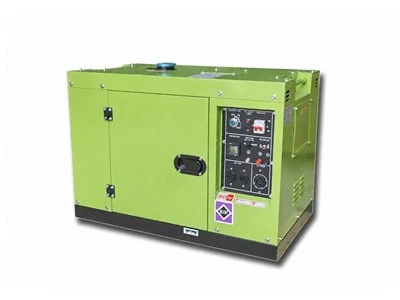
If you’re running a 1250kVA Yuchai generator as part of your business, you know how critical it is to keep every part in tip-top shape. I’ve been working with Yuchai engines for over a decade now—first as a technician, and now as part of the team supplying these units to businesses across industries—and let me tell you, skipping regular maintenance like fuel filter changes is one of the easiest ways to end up with an unexpected outage. The 1250kVA model is a workhorse, designed for heavy-duty use, so its fuel system needs extra care to keep it running smoothly, especially in dusty or high-humidity environments. Today I’m walking you through exactly how to replace that fuel filter step-by-step, plus a few pro tips I’ve picked up over the years that can save you time and hassle down the line.
First, let’s get one thing straight: why does this matter so much? The fuel filter’s whole job is to catch tiny contaminants—dirt, rust, even leftover gunk from diesel fuel—before they make their way into the engine’s injectors. On a big 1250kVA unit, those injectors are precision parts, and a single piece of debris can clog or damage them, leading to reduced power, rough idling, or even a full engine shut down. I’ve seen it happen: a customer ran their unit for two years never touching the fuel filter, and they had to replace eight injectors at a cost way higher than doing filter changes every six months. That’s why we always recommend checking the fuel filter every 250 operating hours, or at least once a year, whichever comes first. And when it’s time to replace it, following the right steps will keep your warranty intact too—Yuchai’s service guidelines are specific about this, so don’t cut corners here.
Before you even get your hands on tools, let’s talk about prep. I can’t tell you how many times I’ve had a tech show up to a job with half the parts, no gloves, and a dead cell phone because they forgot to charge it. Let’s avoid that. First, make sure you have the right replacement filter. Not all fuel filters are created equal—for the 1250kVA Yuchai, you need the exact part number from the manual, which is usually YC6MK375-D30 or a matching model. If you’re not sure which filter you need, just reach out to our team, we can hook you up. Next, gather your tools: a 19mm socket wrench, a drain pan, rubber gloves, a rag or paper towels, and a new sealing gasket (don’t just reuse the old one—they’re cheap and easy to lose, and a leak here is a big no-no). Also, make sure the generator is turned off, and has been off for at least 30 minutes. Hot fuel is messy, and hot parts can burn you, so give it time to cool down. Pro tip here: if your generator is indoors or in a confined space, open a window or turn on a fan to keep fumes from building up—diesel fumes are not something you want to breathe all day, plus they’re flammable, so safety first.
Now, let’s get to the actual replacement step-by-step. First, locate the fuel filter housing on your 1250kVA Yuchai. It’s usually mounted on the side of the engine, near the fuel pump, and it’s a metal or plastic cylinder with a small valve at the bottom to drain excess water. Before you touch anything, place your drain pan under the housing to catch any leftover fuel or water that spills out. Next, loosen the drain valve at the bottom of the housing—just turn it a quarter turn counterclockwise, and let the old fuel and water drain. You’ll be surprised how much water can collect here, even if you thought your fuel was clean. Once it’s done draining, close the valve back up tight.
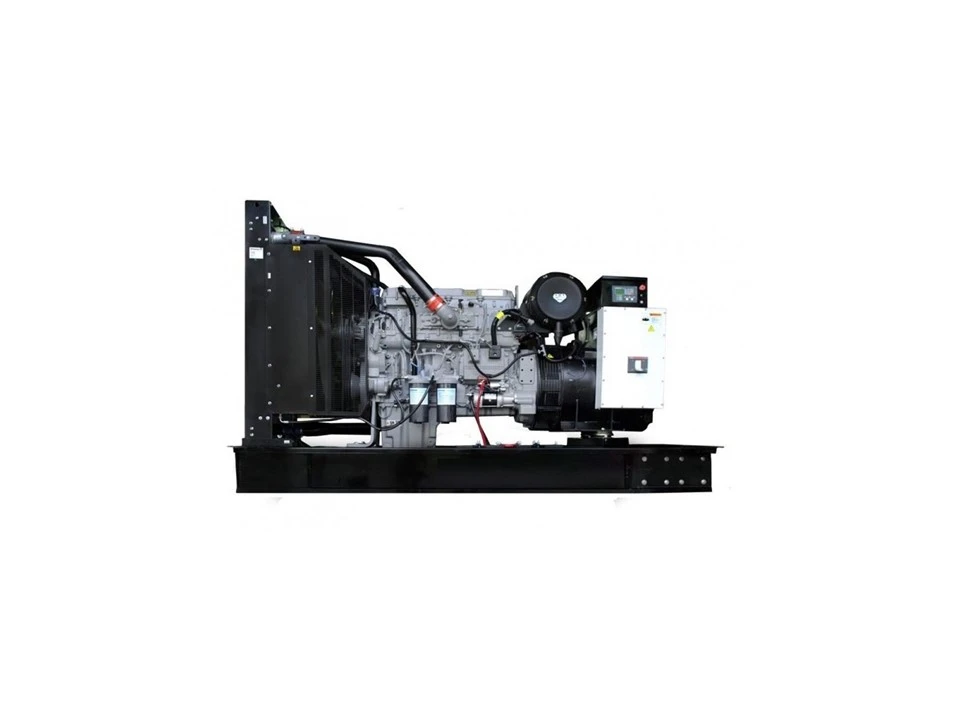
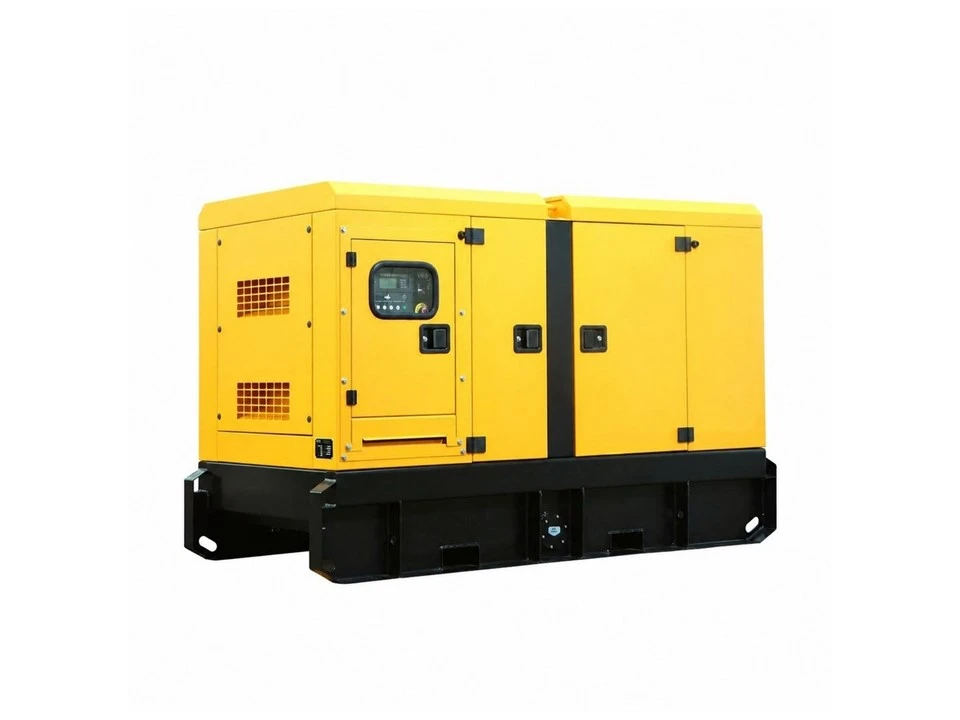
Now it’s time to remove the old filter. Grab your socket wrench, fit it onto the housing nut (usually at the top or side, depending on the model), and turn it counterclockwise to loosen it. Be careful here—this part can be stuck from years of heat and fuel gunk, so don’t force it too hard, you don’t want to strip the nut. Once it’s loose, unscrew it the rest of the way by hand, and pull the old filter off. It will have some leftover fuel in it, so hold it over your drain pan and let that drip for a minute before setting it aside. Now, check the old filter for any signs of damage—cracks, tears, or extra debris around the edges—if you see that, that’s a sign you should check your fuel storage tank for contaminants sooner rather than later.
Next, prep the new filter. Before you install it, take your new sealing gasket (or the one that comes with the new filter) and lightly coat it with clean diesel fuel. This creates a good seal and makes it easier to tighten later without stripping the threads. Also, put a little diesel on your finger and wipe a thin layer around the inside of the filter housing’s seat—this helps the new filter slide on evenly, and prevents leaks. Now, take the new filter and screw it onto the housing by hand, turning it clockwise until it’s snug. Once it’s hand-tight, grab your socket wrench and turn it an extra quarter turn. Don’t over-tighten it—if you crank it too hard, you could crack the housing or break the seal, which will cause leaks once you start the engine. I’ve seen a few guys do this, and it leads to them crawling under the generator with a rag to soak up diesel, which is not fun at all.
Now that the new filter is in, we need to prime the fuel system to get rid of air bubbles. Air in the fuel line is a big problem because it can make the engine run rough or not start at all. On the 1250kVA Yuchai, there’s usually a primer bulb or a bleed valve on the fuel filter housing. If you have a primer bulb, press it firmly and repeatedly until you feel resistance (that means fuel is flowing through the line). If you have a bleed valve, open it slightly with a small wrench, then turn the engine’s fuel switch on until fuel starts to come out of the valve without any bubbles. Close the bleed valve, and that’s the priming done.
Before you start the engine, do a quick leak check. Grab your rag and wipe down the area around the filter housing, then turn the fuel switch on and let it sit for a minute. Check for any signs of fuel dripping or pooling—if you see a leak, that means the filter isn’t tight enough, so go back and snug it a little more. If it’s still leaking, double-check the gasket to make sure it’s seated correctly and not torn. Once you’re sure there are no leaks, start the generator and let it run for five minutes. Watch the filter area closely during this time—any leaks here need to be fixed right away, because running a diesel engine with a fuel leak is a fire hazard.
Now, a few extra tips from the pros that I’ve learned working with all kinds of Yuchai generators, from small units like the 13kW Generator we supply all the way up to the 1250kVA big guys. First, always use genuine Yuchai filters, not generic ones. I know it can be tempting to buy the cheaper off-brand filters, but they don’t have the same level of filtration, and they can void your warranty. We get calls all the time from customers who installed a cheap filter and ended up with clogged injectors—don’t be that guy. Second, if you store your generator outdoors, make sure to cover the fuel tank and filter housing to keep rain and dust out. A little extra cover can save you a lot of work later. Third, if you notice that your generator is running rough, or the fuel gauge is showing inconsistent readings, it might be a sign that your filter is getting clogged early—don’t wait for the 250 hour mark, check it right away.
And speaking of different Yuchai units, we supply a whole range of these reliable generators for all kinds of uses, from small backup power for homes to big setups for construction sites and hospitals. If you ever need a unit that fits your specific needs, we have options like the 15kVA Generator for smaller applications, the 20kVA Generator for light commercial use, and even the 1000KVA Power Generators for large industrial sites. All of our units are backed by Yuchai’s quality, so you know they’re built to last.
At the end of the day, replacing the fuel filter on a 1250kVA Yuchai engine isn’t as scary as it sounds. It’s a simple maintenance task that takes about 30 minutes, and it can save you thousands of dollars in repairs and downtime. If you run into any issues while doing it, or you need help ordering the right parts, our team is here to assist. We’ve been in this business for years, and we know every inch of these Yuchai engines, so we can answer any questions you have about maintenance, parts, or even upgrading your generator setup.
If you’re in the market for a new Yuchai generator, or you need parts or service for your existing unit, feel free to reach out to our team for a quote or to discuss your specific needs. We work with businesses of all sizes, so whether you need a backup unit for a small shop or a full power system for a large facility, we can help you find the right solution. Don’t wait until your generator has an unexpected issue—staying on top of maintenance like fuel filter changes is the best way to keep your power running when you need it most.
References
- Yuchai 1250kVA Diesel Generator Service Manual, Official Yuchai Technical Documentation
- Diesel Engine Fuel System Maintenance Best Practices, National Institute for Automotive Service Excellence (ASE) Diesel Division
- Yuchai Generator Warranty Guidelines, 2024 Update
- Commercial Generator Fuel System Troubleshooting, Association of Electrical and Mechanical Trades (AEMT)