If you’ve ever had to run sensitive electronics—think precision lab equipment, high-end audio gear, or medical devices like ultrasound machines—you’ve probably grappled with two competing needs: reliable, continuous power and minimal noise disruption. For many, the go-to for backup or off-grid power is a generator, but traditional models are loud enough to disturb entire neighborhoods, interfere with sensitive sensor readings, or even violate noise ordinances in residential or commercial settings. This begs a common question we get daily at our quiet generator supply: Can a quiet generator actually be used for powering sensitive electronics? The short answer is yes, but it’s not just about how quiet a generator is—it’s about the technology that makes it quiet, how its power output is regulated, and how well it’s matched to the needs of your sensitive gear. Let’s break this down, drawing on years of working with clients ranging from small research labs to event production teams who rely on quiet power without risking their expensive equipment.
First, let’s clarify what “quiet generator” actually means, because that term is often misused in the generator space. Most standard generators run on a simple engine and alternator setup, which produces what’s called “dirty power”—fluctuations in voltage and frequency that can spike or dip unexpectedly, even if the overall power level is on target. Sensitive electronics, from digital cameras to lab spectrometers, are built to operate within a very narrow window of voltage (usually 120V or 240V, depending on location) and frequency (60Hz in North America, 50Hz in many other regions). Even small fluctuations—say, a 5V jump or a 1Hz shift—can cause data corruption, distorted audio, or permanent damage to components. Traditional generators often struggle with these fluctuations because their engine speed changes with load: when you turn on a heavy device, the engine slows slightly, changing frequency, and when it idles, it speeds up.


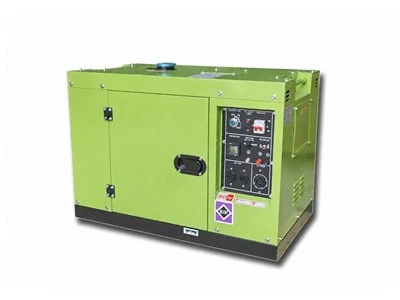
Quiet generators, on the other hand, are engineered with two key features that fix this problem: insulated sound-dampening enclosures and advanced power regulation systems. The enclosures are lined with sound-absorbing materials and sealed tightly to block engine and exhaust noise, cutting decibel levels from 80-90dB (as loud as a lawnmower for standard models) to 55-65dB (as quiet as normal conversation). But the real difference for sensitive electronics is the alternator technology: most quality quiet generators use either inverter alternators or digital brushless alternators, which maintain a constant, stable voltage and frequency regardless of load. Inverter quiet generators, for example, convert the generator’s AC power to DC, then back to clean, regulated AC power that’s identical to the grid power your electronics are designed for. This is a game-changer for sensitive gear, because it eliminates the voltage spikes and frequency inconsistencies that cause harm.
That said, not all quiet generators are created equal. We’ve seen clients invest in cheap “quiet” portable generators that end up damaging their equipment because they cut corners on power regulation. For example, some small quiet models use simple voltage regulators that only handle light loads, so when you plug in a high-demand sensitive device (like a 3D printer or a medical monitor), the power quality drops. That’s why we always advise clients to look for quiet generators with a Total Harmonic Distortion (THD) rating of 5% or lower—THD measures how much the power deviates from a pure sine wave, and THD below 5% is considered “clean” power suitable for sensitive electronics. In fact, many of our clients who run laboratories or recording studios specifically request quiet generators with THD ratings under 3% to ensure their high-precision equipment stays safe.
Of course, the use case for a quiet generator also matters. If you’re powering sensitive electronics on a construction site where you need temporary power for a surveying instrument, a smaller inverter quiet generator might work perfectly. But if you’re running multiple pieces of sensitive equipment at a large outdoor event or a remote research facility, you might need a higher-capacity unit. For those scenarios, we often work with clients to explore rental options, since temporary power needs can be unpredictable. If you’re considering a rental, take a look at our rental use diesel generator page to see models designed for consistent, low-noise power that meets THD standards—many of these are used by film crews and event producers who need quiet power near venues without disrupting guests or performers.
Another key point for powering sensitive electronics is matching the generator’s capacity to your load. It’s tempting to buy the smallest, quietest unit possible to save money, but underpowering a generator is just as bad as overpowering it. When a generator is running at less than 50% of its rated capacity, it can cause fuel inefficiency and power fluctuations, which can stress sensitive electronics. On the flip side, overpowering a generator with too many devices can cause overloads, tripping the circuit breaker or damaging the alternator. That’s where our team comes in: we help clients calculate their total power needs, factoring in both the running wattage of each device and a 20-30% buffer for startup loads (many electronics draw extra power when they turn on). For clients needing high-capacity quiet power, we offer options like the 200kVA generator, which is powerful enough for large setups but still engineered to keep noise levels low—perfect for hospitals or large research campuses that need backup power for sensitive medical equipment.
We also frequently get questions about three-phase quiet generators, which are used for industrial or commercial sensitive electronics that require higher power distribution. Three-phase power is more efficient for large loads, and a quiet three-phase generator can deliver stable, clean power for everything from industrial robots to large-format printers. If you’re in the market for a three-phase unit, our 3 phase generator price page has details on models designed for low noise and high power quality, so you don’t have to choose between performance and discretion. For example, a manufacturing client we worked with recently needed to power a series of precision CNC machines in a facility near a residential area—they didn’t want to disturb neighbors, but they also couldn’t risk downtime from power fluctuations. We recommended a quiet three-phase generator with a THD rating under 4%, and it’s now been running for over two years without any issues with equipment damage.
For clients who need portable quiet power, our towable generator for sale options are a popular choice. These units are easy to move from site to site, so you can power sensitive electronics at different locations without needing a permanent installation. A common use case here is disaster response: when a storm knocks out grid power, emergency response teams need to run sensitive communication equipment, medical devices, and climate control for cold storage of vaccines—all while keeping noise low to avoid scaring wildlife in remote areas or notifying looters of their location. Towable quiet generators are designed for this exact scenario, with rugged enclosures, stable power output, and noise levels low enough for sensitive environments.
Temporary power needs aren’t just for emergencies, though. Many event production companies rent quiet generators to power sensitive audio and visual gear at outdoor concerts or weddings, where noise is a concern. Our temporary power rental diesel generator page has a range of short-term options that are quiet, reliable, and compatible with all types of sensitive electronics. One event planner we work with regularly uses our quiet generators for indie film shoots in residential neighborhoods—they need to run high-end cameras, sound recorders, and lighting equipment without disturbing nearby residents, and the quiet generators they rent have never caused any noise complaints or power-related issues with the gear.
Now, let’s address a common myth: Some people think that because a generator is quiet, it must also be delivering clean power. That’s simply not true. A poorly designed quiet generator might have a great sound-dampening enclosure but a basic alternator that produces dirty power, which can still damage sensitive electronics. For example, a client once came to us after buying a cheap quiet generator online that had fried their new mixing console—they’d focused only on the decibel rating, not the THD. We helped them swap it for a generator with a regulated inverter alternator, and since then, their audio gear has been running without any problems. That’s why we always emphasize to our customers that quiet power is only useful for sensitive electronics if it’s also clean power.
So, what should you look for when choosing a quiet generator for sensitive electronics? First, check the THD rating—aim for 5% or lower, ideally under 3% for the most sensitive gear. Second, confirm the generator uses an inverter or digital brushless alternator, not a basic alternator that relies on engine speed regulation. Third, match the generator’s capacity to your total load, including a startup buffer. Fourth, consider your portability needs: do you need a permanent installation, a towable unit, or something small enough for a trailer? And fifth, if you’re not sure which model is right for your specific devices, reach out to a supplier that has experience with sensitive electronics—we offer free load calculations and consultations to help clients make the right choice.
It’s also worth noting that even the best quiet generator requires proper maintenance to keep its power output stable. Regular oil changes, filter replacements, and alternator inspections ensure that the regulation system continues to work correctly, preventing power fluctuations that could harm sensitive electronics. We provide maintenance guidelines for every generator we sell, and our service team is on call for any issues that come up, so our customers never have to worry about unexpected downtime.
At the end of the day, the answer to “Can a quiet generator be used for powering sensitive electronics?” is a resounding yes—but only if you choose the right model. The key is to prioritize both noise level and power quality, not just one or the other. Too many suppliers market quiet generators without addressing the power needs of sensitive gear, which leads to avoidable damage and frustration. Our business is built on helping clients find that balance: delivering quiet power that’s clean enough for lab equipment, medical devices, audio gear, and any other sensitive electronics you need to run.
If you’re in the market for a quiet generator for sensitive electronics, whether you’re looking to purchase long-term or rent for a temporary project, we’re here to help. Our team has years of experience working with clients across industries, from small startups to large corporations, and we can guide you to the right model that meets your noise requirements and protects your valuable equipment. Don’t settle for a generator that’s either too loud or too dirty for your needs—reach out today to discuss your project, and let us help you find the perfect quiet power solution.
References
- Electrical Apparatus Service Association. (2021). Power Quality Standards for Sensitive Electronic Equipment. EASA Technical Bulletin.
- International Electrotechnical Commission. (2019). IEC 60034-1: Rotating Electrical Machines - Rating and Performance.
- Occupational Safety and Health Administration. (2022). Noise Control in Generator Operation. OSHA Publication 3551-03N.
- Institute of Electrical and Electronics Engineers. (2020). IEEE Standard for Metric and Reporting of Power Quality. IEEE Std 1159-2019.