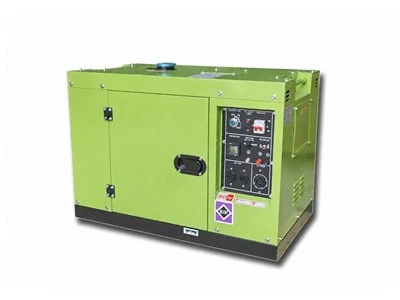
Hey there, thanks for popping in—if you’ve ever stood in front of a portable power generator, staring at the label and wondering what the numbers actually mean, you’re not alone. As someone who’s been selling these bad boys for years, I get it: amperage is one of the most confusing specs, especially when you’re trying to power a fridge, a work site, or a whole camping setup without blowing something. Let’s break this down like we’re chatting over coffee, no jargon overload.
First off, let’s keep this super basic: amperage (or “amps” for short) is the measure of electrical current flowing through a wire. Think of it like water flowing through a hose—wider hoses (or thicker wires) move more water, just like higher amps mean more electricity. Generators don’t just spit out random amps, though; it all ties back to their wattage, voltage, and what you’re plugging into them.
Wait, right—most people mix up watts, volts, and amps. The simple formula here is Ohm’s Law: Watts = Volts x Amps. That’s the bread and butter of generator specs. So if you know two numbers, you can find the third. For example, most portable generators run on either 120V (standard for US households, outlets, small tools) or 240V (for heavy stuff like AC units, welders, or big power tools). That’s key because the same generator will have different amperage depending on what voltage you’re using.
Let’s talk about small portable generators first—these are the ones people grab for tailgates, power outages at home, or weekend camping trips. Most of these range from 1kW to 10kW, right? A 10kW generator, for example, at 120V would crank out around 83 amps (10,000W / 120V = ~83A). If you switch that same generator to 240V, you get half that—around 41.6 amps. That makes sense because doubling the voltage cuts the amperage in half for the same wattage. For context, a tiny 2kW generator might only give 16 amps at 120V, which is enough for a fridge, a few lights, and a phone charger. I always tell customers: if you’re powering basic home essentials during a blackout, a 5kW generator will do about 40 amps at 120V, which covers most fridges, sump pumps, and a couple of space heaters.
Now, move up to mid-sized portable generators—these are the workhorses for small construction sites, RV trips with full hookups, or medium farm tasks. This is where you’ll see models like a 14kW Generator, which is a sweet spot for a lot of folks needing a bit more oomph. Let’s do the math here: 14,000W divided by 120V is about 116 amps, and at 240V it’s around 58 amps. That’s enough to power a whole small home’s essentials, plus a window AC unit, or run a few power tools on a job site. I’ve had a lot of contractors grab these for remodeling jobs where the power’s cut off for a week—they don’t have to skimp on tools like circular saws, drills, and even a portable air compressor.
Wait, but what about the bigger guys? Not everyone needs portable generators that fit in a pickup bed. Some folks need ones that can power large events, construction sites with multiple tools, or even temporary setups for mining work or big industrial jobs. That’s where you get into higher-wattage portable and semi-portable generators. Let’s say a 1000KW Generator Powered model—yeah, that’s way bigger, but it’s still designed to be moved (not permanent like a stationary generator). At 240V, that would pump out roughly 4166 amps, which is insane, but that’s for powering multiple pieces of heavy equipment at once, like excavation tools, lighting towers, and even temporary office trailers with AC and appliances. Then there’s the 800KVA Generator For Mining—KVA is similar to watts, but it accounts for power factor, so roughly 640,000 watts, which translates to around 2667 amps at 240V. Mining sites often need that kind of power on the go, especially when they’re in remote areas where grid power isn’t available.
Now, here’s the thing no one tells you: amperage isn’t just about the generator, it’s about what you plug into it. Every device has a “starting amperage” vs. “running amperage.” Fridges and AC units, for example, need a big burst of amps to kick on (that’s starting amperage), then settle down to a lower running amperage. That’s why a generator’s “rated amperage” is different from its “surge amperage” — surge is the maximum amps it can put out for a short time to start those devices. If you ignore that, you’ll overload the generator, trip the circuit breaker, and end up with no power when you need it most.
I see this mistake all the time from new buyers: they look at a generator’s running amps and think that’s all they need, but then plug in an AC unit that needs twice as many amps to start, and boom—breaker flips. So when you’re shopping, add up the running amperage of all your devices, then add 20-25% for surge capacity. That buffer keeps your generator happy and prevents overheating.
Another common question: do portable generators have different amperage outputs depending on fuel type? Yep, a little. Gas generators are usually the smaller ones (under 10kW, like our 10kW Generator), while diesel and propane models can handle higher wattage, which means higher amperage for the same size. Diesel is more fuel-efficient too, so if you’re running a generator for hours, that’s a big plus. I had a customer last month who runs a construction site in the desert—he uses a diesel portable generator because he can run it for 12 hours straight without refueling, and the amperage is consistent enough to power all his jackhammers and saws.
Wait, let’s get back to the basics so you don’t have to do math every time. Let’s make a quick cheat sheet for common portable generators:
- 1kW (gas): ~8A at 120V, enough for phones, lights, a small TV
- 5kW (gas/propane): ~40A at 120V, enough for home essentials, window AC
- 10kW (diesel): ~83A at 120V, enough for a small home, power tools
- 14kW (diesel): ~116A at 120V, enough for a medium home or small job site
- 1000KW (semi-portable diesel): ~4166A at 240V, enough for large job sites or events
- 800KVA (mining portable): ~2667A at 240V, enough for remote mining operations
But here’s the catch: always check the generator’s actual label, not just the wattage. Some brands fudge the numbers, but we’re upfront about ours. Every generator we sell has the amperage listed for both 120V and 240V, plus surge amperage, so you don’t have to guess. I always tell customers to call me if they’re not sure what they need—way better to ask than to buy a generator that’s too small or way bigger than they need.
Also, safety tip: never plug a generator directly into your home’s outlet (that’s called backfeeding and it kills line workers). Use transfer switches, which let you power your home’s essentials safely without backfeeding. And never run a generator indoors—even in a garage, because carbon monoxide is a silent killer. That’s non-negotiable, no matter how many amps it puts out.
So whether you’re a homeowner prepping for storms, a contractor needing power on a job site, or a miner working in the middle of nowhere, understanding generator amperage comes down to matching your needs to the right wattage and voltage. You don’t need the biggest generator out there, but you do need one that has enough surge capacity for your devices, and you have to pay attention to voltage because that changes amperage like night and day.
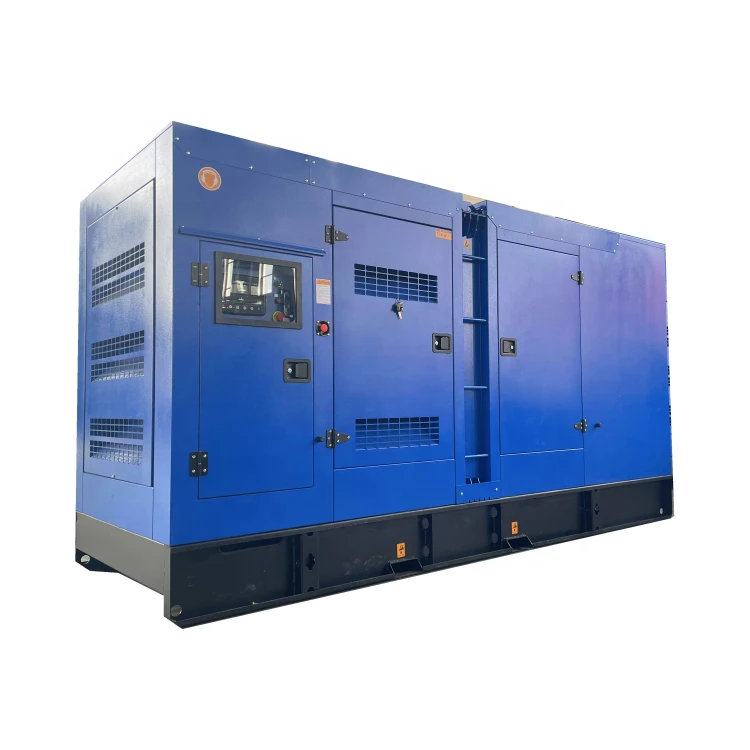
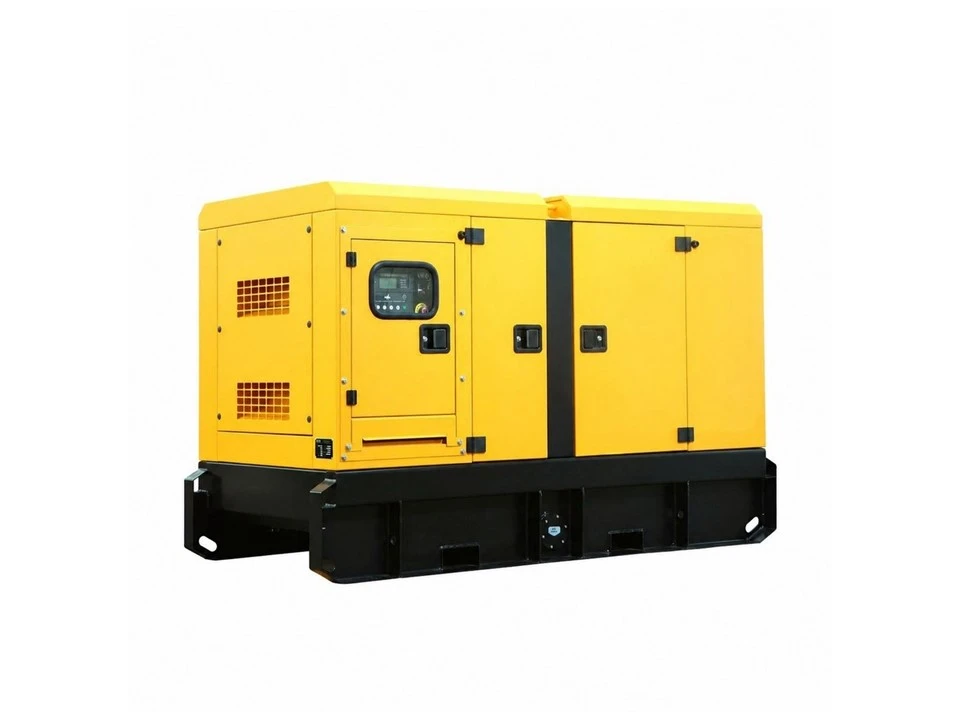
If you’re in the market for a portable power generator and want to stop guessing about amperage, just reach out. We’ve helped hundreds of customers pick the right one, from tiny camping generators all the way up to heavy-duty models. Whether you’re looking for a 10kW Generator for a weekend trip, a 14kW Generator for your home, or even industrial models like the 1000KW Generator Powered or 800KVA Generator For Mining, we’ve got you covered. Shoot us a message or give us a call to chat through your needs—no pressure, just honest advice from someone who’s been in this game long enough to know what works.
References:
- Electrical Safety Foundation International. (2022). Generator Safety Tips for Homes and Worksites.
- U.S. Energy Information Administration. (2023). Portable Generator Sizing and Electrical Specifications.
- International Electrotechnical Commission. (2021). IEC 60034-1: Rotating Electrical Machines – Rating and Performance.
- Occupational Safety and Health Administration. (2022). Portable Generator Safety Standards for Construction and Remote Worksites.