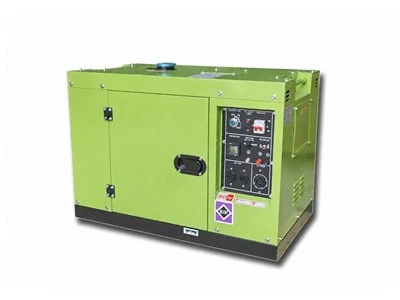
Hey everyone, it’s Jake here from your go-to portable power folks. Lately, I’ve been getting non-stop questions from folks—whether they’re campers, small business owners, or even folks working at remote job sites—asking the same thing: Can an inverter portable electricity generator actually power sensitive electronics? I get it—if you’ve got something like a laptop, a medical device, a TV, or even a high-end camera setup, you don’t want to risk frying it with sketchy power. I’ve seen too many people make wrong assumptions about generators, so let’s break this down real, no-BS style, because this is stuff that matters.
First, let’s get one key difference out of the way fast—regular generators vs. inverter generators. Old-school conventional generators (the ones that have that loud, inconsistent hum) produce what’s called “dirty power,” basically. They spin their engine at a constant speed to make electricity, which means the current and voltage can fluctuate a lot. Sensitive electronics—think smartphones, laptops, portable X-ray machines, or gaming PCs—are built to run on stable, clean power. Fluctuations that don’t bother a power drill can mess up a laptop’s battery, corrupt data on a hard drive, or even kill a medical device’s circuit board before you know it.
Inverter generators, on the other hand, do this thing where they first make AC power, convert it to DC, then turn it back into clean, stable AC power via an inverter. The inverter part regulates the voltage and frequency super tightly—most quality inverter generators put out power that’s way closer to the grid power you get at home (which is what sensitive devices are designed for) than old conventional models. But here’s the catch: not all inverter generators are created equal. A super small, cheap one you pick up for tailgates might work for a laptop, but if you’ve got bigger stuff? You need to size it right, and pay attention to those power ratings.
Let’s talk real-world examples, because I don’t want this to just be theory. Last year, we had a regular at the shop who’s a freelance filmmaker—he was shooting a documentary in a remote mountain town with no power. He showed up panicking because his old conventional generator had just fried his $8k cinema camera’s battery charger. He rented one of our mid-sized inverter portable generators, and a week later he came back to tell us he’d used it to run his camera, a laptop, an external hard drive array, and even a portable monitor the whole time without a single glitch. That’s when I realized how many people are making this wrong call—grabbing any generator and crossing their fingers.
But wait, what about bigger scenarios? A lot of our customers also work in mining, right? Mining sites are often in super remote areas, and they rely on all kinds of sensitive gear—from monitoring systems to communication devices. Wait, hold on—this is where I want to mention our larger generator lines, because even for industrial power needs, clean power matters too. For mining operations, we’ve got a whole range of heavy-duty generators built for constant, reliable power. Whether you need one for continuous use on-site, heavy-duty tasks, underground work, standby emergencies, or open pit sites, we’ve got options. Check out our Mining Continuous Duty Diesel Generator for long, non-stop runs, or if you’re in an open pit, our Open Pit Mining Diesel Generator is built to handle dust and tough outdoor conditions. Underground mining? We’ve got the Underground Mining Diesel Generator designed for ventilation and safety in tight spaces, plus standby models like our Mining Standby Diesel Generator for when the grid goes down. All of these generator lines use advanced power regulation tech too, so they don’t just crank out power—they crank out clean power, even for industrial sensitive gear.
Back to portable inverter ones, though—since that’s what most of our smaller customers are asking about. Let’s talk about specs for a sec, but keep it simple. When you’re shopping, look for two numbers: “starting watts” and “running watts.” Starting watts are the extra power a device needs to kick on (like a fridge compressor or a laptop’s hard drive spinning up), and running watts are the steady power it needs to stay on. Sensitive electronics almost always run on less power than they start with, but if your generator can’t handle that extra starting surge, it’ll either shut off or damage the device. Our mid-tier portable inverter generators, for example, have 3,500 starting watts and 3,000 running watts—more than enough for a laptop, a 55-inch TV, a portable air conditioner, and a phone charger all at once, no issues.
Another big myth I hear all the time: “Inverter generators are too small to power anything useful.” No, not anymore. The newer models are compact, lightweight (we’ve got ones that are under 50 lbs, easy to carry to a campsite or job site), and pack way more power than they used to. I’ve even had a customer use one of our small inverter generators to run his CPAP machine while camping, and another to power his home office during a blackout—no data lost, no device damage, perfect. The key is matching the generator’s output to what you’re plugging in, and making sure it’s an inverter model, not a conventional one.
Wait, but what about cheap no-name inverter generators you see online for $200? I’m gonna be straight with you—those are often low-quality, and their power regulation isn’t actually that good. I’ve tested a few, and their voltage fluctuates way more than our branded ones, which means they can still damage sensitive gear. For example, a random $150 inverter generator I tested had a voltage swing of up to 10% when running a laptop—our quality inverter ones have a swing of less than 1%, which is what makes the difference. So don’t cut corners here—if you care about your electronics, invest in a reputable inverter generator, not the cheapest option you can find.
Let’s also talk about other factors that matter, because power quality isn’t just about the generator type. First, how you plug things in—don’t daisy-chain extension cords that are too thin, because that can cause voltage drop, which is like low water pressure for electricity. If you need an extension cord, get one that’s rated for the wattage you’re using. Second, don’t overload the generator. Even if your laptop says it only uses 50 watts, adding a space heater or a power tool might push it over the limit, which can mess up the power output. Third, keep the generator well-maintained—change the oil, check the spark plug, keep it clean. A well-maintained generator puts out cleaner power than one that’s neglected.
For our mining customers, like I mentioned earlier, we know that mining sites aren’t just about small electronics—they’ve got monitoring systems, communication equipment, and even safety devices that are sensitive. That’s why our industrial generators aren’t just heavy-duty—they’re built with the same power regulation tech as our portable inverters, so you don’t have to worry about frying a $10k monitoring system because your generator’s power is off. Whether you’re running a continuous operation for months, need a backup for emergencies, or need something tailored for underground or open pit sites, we’ve got you covered with lines like our Mining Heavy Duty Diesel Generator that’s built to handle the toughest conditions and still deliver clean power.
I should also mention something about carbon monoxide, because it’s a big safety thing. Inverter generators are a lot quieter than conventional ones, which makes them popular for camping and tailgating, but they still produce CO. So never run one inside a garage, tent, or near an open window—always keep it at least 20 feet away from any building, with the exhaust pointing away from people. That’s non-negotiable, even if it works for your electronics.
So to circle back to the original question: Can an inverter portable electricity generator power sensitive electronics? The answer is yes, but only if you do it right. You need to pick a quality inverter model (not a cheap no-name), size it correctly for your devices, maintain it, and use it safely. If you try to cut corners with a conventional generator or a bad inverter, you’re rolling the dice with your expensive gear.


Now, if you’re not sure which generator is right for you—whether you’re a camper needing power for your laptop, a small business owner needing backup power for your POS system, or a mining operation needing industrial clean power—we’re here to help. We’ve been helping people with generator needs for years, and we know how important it is to protect your valuable electronics. Reach out to us to chat through your specific needs, whether you’re looking for a portable inverter or an industrial mining generator for your site.
References:
- U.S. Department of Energy. (2022). Portable Generator User’s Guide: Power Quality for Sensitive Electronics.
- International Electrotechnical Commission. (2021). IEC 60034-1: Rotating Electrical Machines – Rating and Performance, for generator power regulation standards.
- Occupational Safety and Health Administration. (2023). Generator Safety: Carbon Monoxide Hazards and Best Practices.
- Mining Magazine. (2022). Remote Power Solutions for Sensitive Mining Site Equipment.